
Yemen Economic Crisis Threatens Red Sea Stability and Global Supply Chains
Yemen's escalating economic collapse and soaring living costs threaten regional stability and critical global shipping lanes, compounding severe humanitarian distress.
Geopolitical & Core Developments
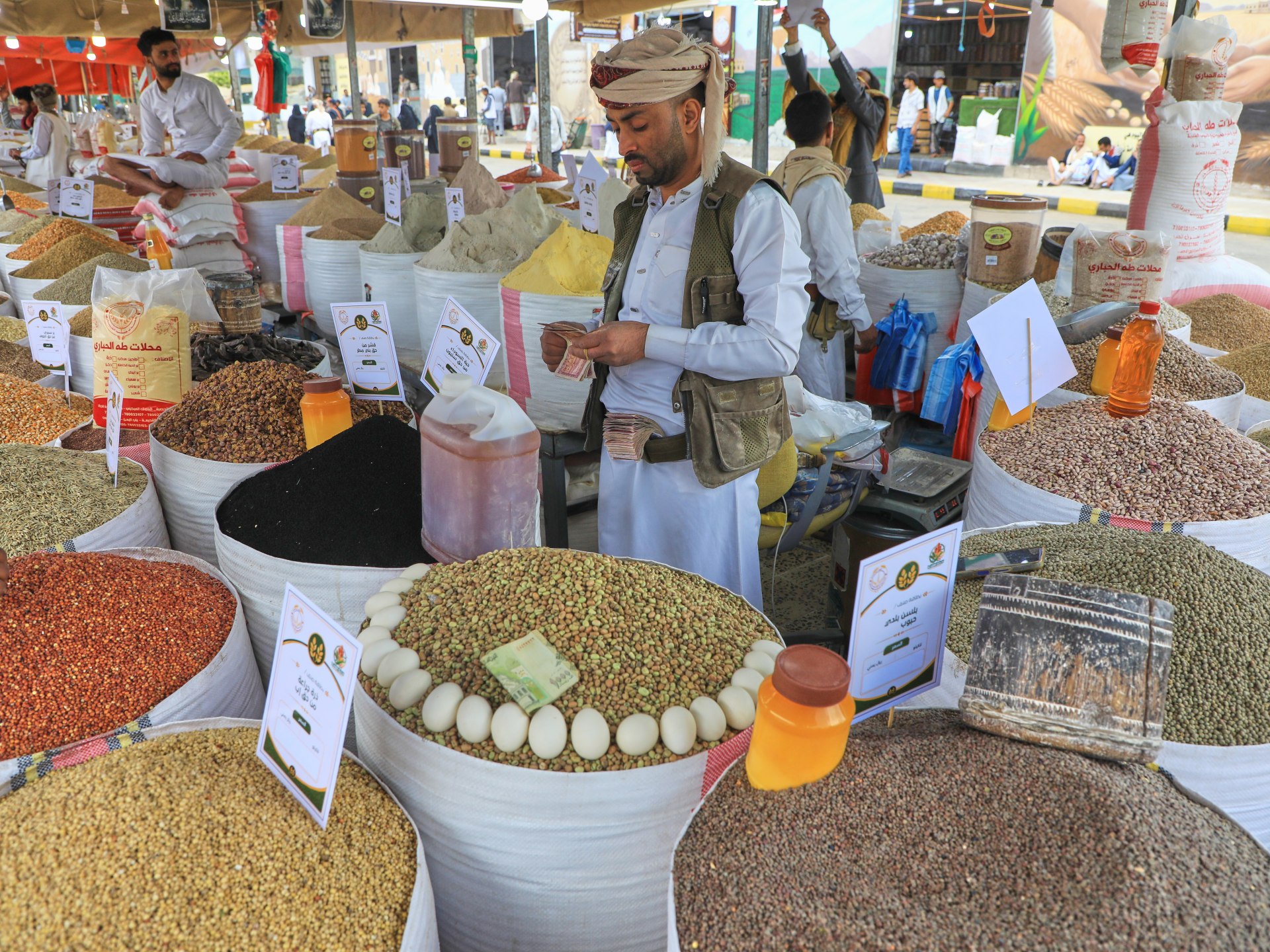
The protracted conflict in Yemen has entered a perilous new phase characterized not merely by military skirmishes but by an unprecedented socioeconomic collapse affecting millions from Aden to Sanaa. Years of fragmented governance between the internationally recognized government in the south and the Houthi-controlled authorities in the north have fractured the nation's monetary and administrative systems. State institutions remain largely dysfunctional, leaving public sector employees without regular salaries for extended periods. This systematic deprivation of income has decimated the domestic economy, stripping families of purchasing power and forcing them into severe destitution. The geopolitical impasse persists despite intermittent regional diplomatic efforts, leaving foundational governance questions unresolved and ensuring that the structural drivers of the crisis remain fully active.
Global Trade & Economic Ripples
The domestic turmoil in Yemen carries profound implications for global trade, energy markets, and maritime logistics. Situated along the Bab el-Mandeb strait—a vital maritime chokepoint through which a significant share of global container traffic and energy commodities transits—Yemen's instability directly threatens international supply chains. Ongoing security disruptions in adjacent waters have already forced major shipping lines to reroute vessels around the Cape of Good Hope, substantially increasing transit times and freight rates. For global commodity markets, these logistical bottlenecks translate into elevated shipping costs, higher insurance premiums for cargo vessels, and increased volatility in international energy pricing. The degradation of local commercial infrastructure within Yemen further prevents the integration of regional markets into broader global supply networks, stifling economic recovery.
Related Intelligence: Gaza After Three Years of War: Urban Devastation and Regional Commercial Repercussions
International Reactions & Diplomatic Stances
Multilateral organizations and international financial institutions have issued urgent warnings regarding the compounding humanitarian and economic crisis in Yemen. The United Nations and various relief agencies have repeatedly underscored that humanitarian funding shortfalls, combined with severe macroeconomic instability, threaten to push vulnerable populations into famine. Global powers and regional diplomats continue to press for a comprehensive, inclusive ceasefire that addresses both security dimensions and economic unification, including the stabilization of the Yemeni rial and the payment of civil servant salaries. However, international diplomatic efforts frequently stall over fundamental disagreements regarding revenue-sharing from oil and gas exports, leaving humanitarian aid as a temporary palliative rather than a durable solution.
Strategic Outlook & Future Scenarios
Looking ahead, the trajectory of Yemen's economy remains inextricably linked to regional security dynamics and international diplomatic engagement. Without a unified monetary policy and a transparent mechanism for distributing resource revenues, living costs are projected to remain at unsustainable highs, deepening public grievance. Analysts warn that persistent economic deprivation could fuel renewed military escalation, further endangering commercial maritime routes in the Red Sea and Gulf of Aden. Upcoming diplomatic engagements will need to prioritize economic confidence-building measures—such as central bank stabilization and public payroll integration—alongside traditional security frameworks to avert further catastrophe and restore stability to critical global trade corridors.
Join Our Official WhatsApp Channel
Receive live commodity alerts, policy changes, and commercial intelligence directly on WhatsApp.