
Riyadh Airport Attack Disrupts Trade and Aviation Networks
Twin attacks on Riyadh's King Khalid International Airport killed three Saudi nationals and damaged aviation infrastructure, posing immediate challenges to regional logistics and trade corridors.
The Core Development
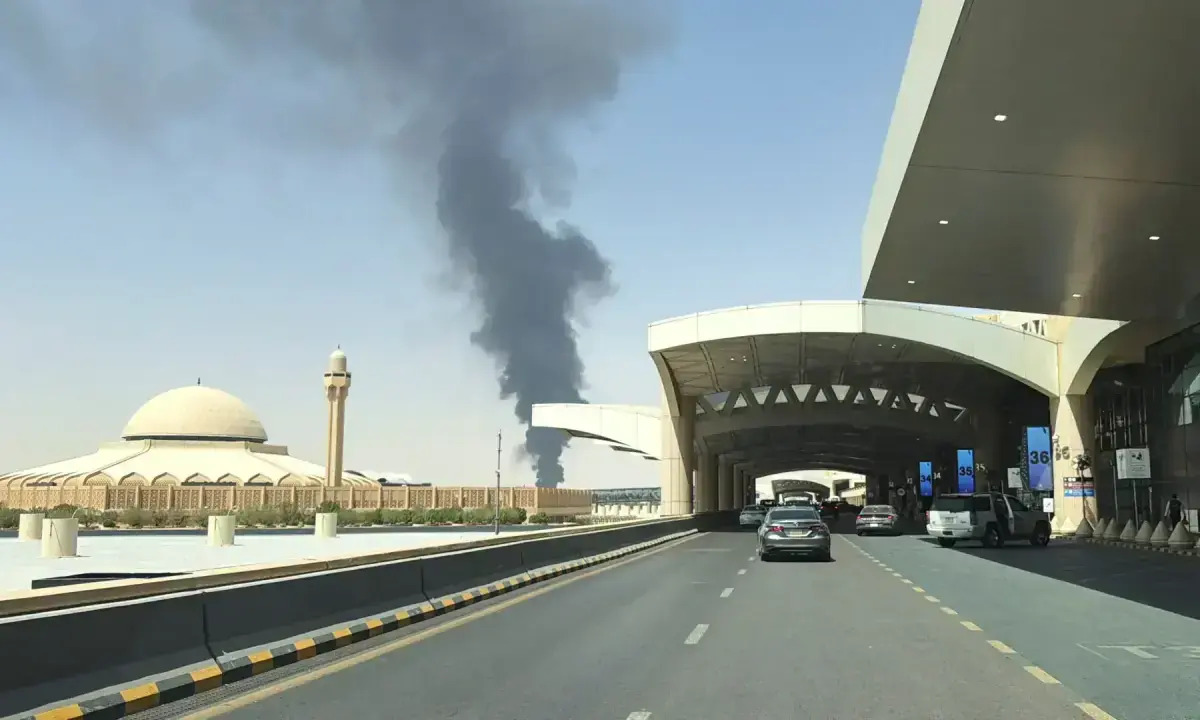
On Thursday, a major security breach struck the heart of Saudi Arabia's capital as King Khalid International Airport in Riyadh became the target of two successive attacks. According to official statements released on Friday by the General Authority of Civil Aviation (GACA) via social media platform X, the assaults resulted in the tragic deaths of three Saudi nationals and left multiple individuals sustaining injuries ranging from minor to severe. The first strike targeted vital airport ground facilities, while the second directly hit an aircraft belonging to Saudi Arabia's national flag carrier, Saudia. Emergency response teams rushed to the scene to manage casualties, secure the perimeter, and assess the structural extent of the material damage inflicted on the aviation hub. While investigations into the origin and nature of the assaults remain ongoing, the incident marks a critical escalation in security threats facing high-profile infrastructure within the Kingdom, immediately prompting heightened alert levels across regional airports and transportation networks.
Commercial & Economic Implications
For trading partners across the region, including commercial enterprises in Pakistan, disruptions to primary aviation hubs like Riyadh carry immediate ramifications for cargo logistics, air freight, and bilateral trade flows. King Khalid International Airport serves as a vital nexus for passenger transit and high-value cargo transport connecting the Middle East to global markets. Any prolonged suspension or operational slowdown at this strategic facility threatens to bottleneck air cargo capacity, delay perishable shipments, and elevate freight insurance premiums. For Pakistani exporters dealing in textiles, agricultural produce, and light manufacturing goods bound for the Gulf Cooperation Council (GCC) markets, increased logistical friction and cargo delays could exert upward pressure on operational expenditures. Furthermore, volatility in regional security directly impacts energy markets and investor sentiment, potentially spilling over into broader macroeconomic stability, import-export financing costs, and retail price indices across importing nations.
Related Intelligence: LeBron James Trade Alters Global Sports Economy and Commercial Landscape
Stakeholder Perspectives & Market Reactions
International aviation bodies, regional trade associations, and logistics operators have expressed grave concern over the safety of critical transport infrastructure. Industry analysts emphasize that commercial aviation hubs must remain immune to security breaches to maintain global supply chain integrity. Stakeholders within the export and wholesale distribution sectors are closely monitoring updates from GACA and major Gulf carriers to gauge potential schedule realignments and cargo rerouting. Legal and risk management experts point out that heightened security protocols will likely translate into stringent screening procedures, potentially increasing turnaround times for both inbound and outbound cargo flights. Official statements from regional governments have condemned the attacks, reassuring international investors and commercial partners that comprehensive measures are being deployed to reinforce the security architecture of all critical economic installations.
Forward Outlook & Key Watchpoints
As recovery and forensic operations proceed at King Khalid International Airport, the immediate priority for authorities remains the restoration of full operational capability and the reinforcement of defensive perimeters. Key watchpoints for businesses and policymakers over the coming weeks include the official findings of the security investigation, potential adjustments to regional air traffic management, and any secondary impacts on international oil and insurance markets. Industry observers will track whether these security incidents prompt long-term policy shifts in infrastructure protection across the GCC, which could introduce new compliance requirements for international logistics providers operating within the region. Maintaining uninterrupted trade channels will depend heavily on the swift containment of security risks and the rapid resumption of normal flight schedules.
Join Our Official WhatsApp Channel
Receive live commodity alerts, policy changes, and commercial intelligence directly on WhatsApp.