
Okinawa Demands US Forces Pact Revision After Marine Arrest
Okinawas prefectural assembly has demanded a sweeping review of the US-Japan forces pact following a Marine's arrest, escalating domestic friction over strategic military hosting in the Indo-Pacific.
Geopolitical & Core Developments
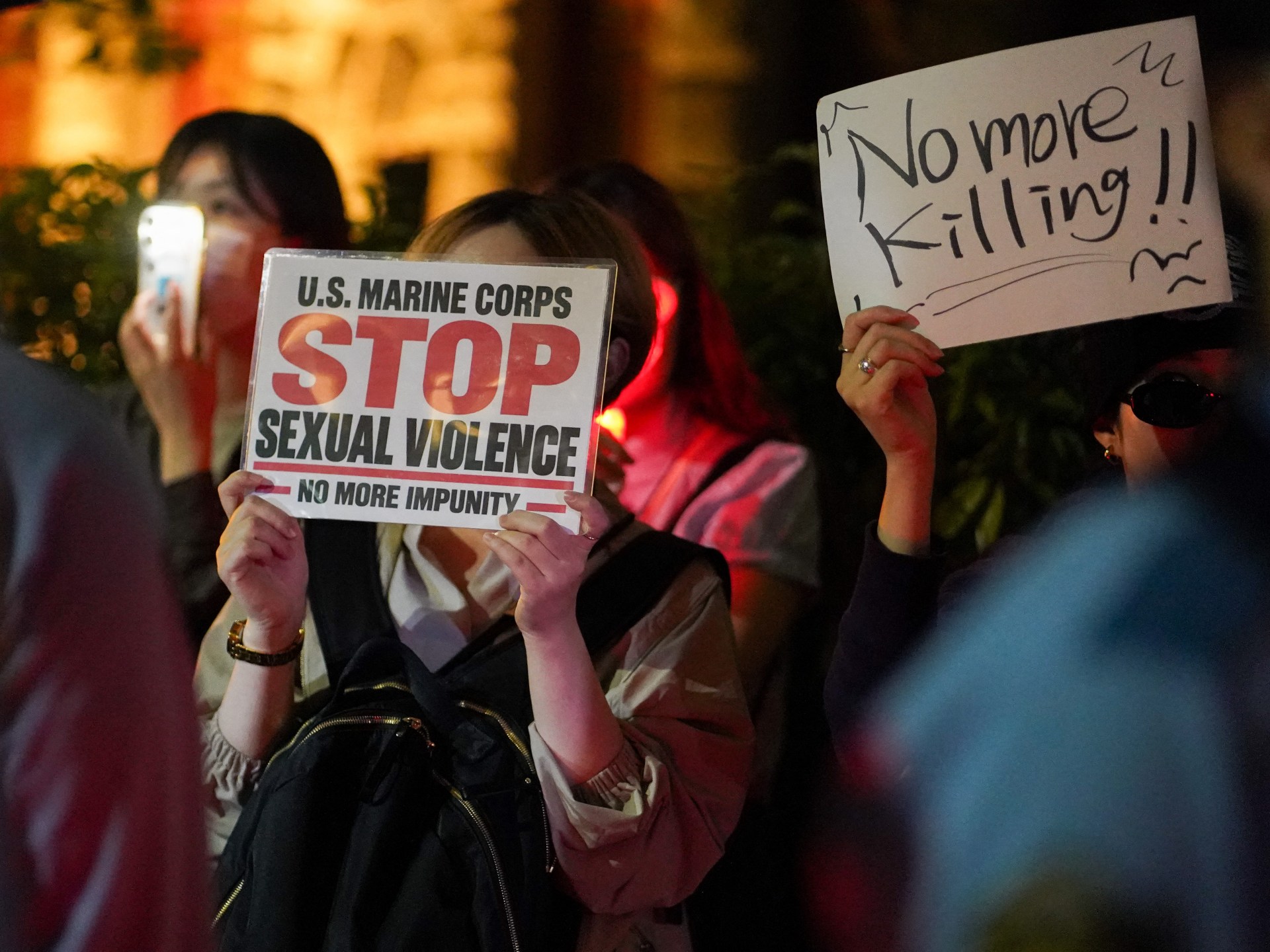
The prefectural assembly of Okinawa has passed a unanimous resolution demanding a thorough and structural review of the United States-Japan Status of Forces Agreement (SOFA). This legislative escalation was triggered by the recent arrest of a United States Marine stationed on the strategic island, an incident that has once again exposed the fragile coexistence between local civilian populations and the heavy concentration of American military hardware and personnel. Okinawa hosts the vast majority of US military assets in Japan, making it a critical linchpin for Washington and Tokyo's joint deterrence strategy in the East China Sea and Taiwan Strait.
However, the perpetual heavy footprint has continually strained local governance. Decades of grievances regarding noise pollution, environmental degradation, and recurring criminal offenses by service members have fueled intense local resentment. The latest legal infraction involving a US Marine has galvanized the prefectural assembly to push past superficial diplomatic apologies, demanding binding legal reforms that would grant Japanese authorities greater jurisdiction over US military personnel accused of crimes committed off-base. This domestic political pressure places Prime Minister Fumio Kishidas administration in a precarious diplomatic balancing act, forcing Tokyo to navigate between its unshakeable security alliance with Washington and the democratic will of Okinawan citizens.
Global Trade & Economic Ripples
While the immediate catalyst for the Okinawan assembly's resolution is legal and social, the underlying security dynamics carry profound implications for regional commercial stability and global supply chains. The Ryukyu Island chain, where Okinawa is situated, sits directly adjacent to vital maritime trade routes through which trillions of dollars in global commerce flow annually, including crucial semiconductor shipments, energy supplies, and manufactured goods destined for Western and Asian markets. Any sustained civil disobedience, organized protests, or legislative blockades targeting US military logistics hubs could inadvertently disrupt regional supply chain continuity.
Furthermore, global commodity markets—particularly energy and industrial metals traded across the Asia-Pacific—remain hypersensitive to geopolitical friction in the First Island Chain. While the diplomatic standoff has not yet translated into physical blockades or immediate shipping lane closures, institutional investors and maritime insurers are closely monitoring the political stability of host-nation infrastructure. Prolonged civil unrest in Okinawa risks introducing operational friction into broader Indo-Pacific logistics networks, potentially elevating marine war-risk premiums and casting uncertainty over long-term capital investments tied to regional defense manufacturing and port infrastructure.
Related Intelligence: India's Gen Z Protests Ignite Market Uncertainty and Geopolitical Scrutiny
International Reactions & Diplomatic Stances
Official responses from Washington and Tokyo have emphasized the enduring criticality of the bilateral security alliance while offering standard condolences and pledges of cooperation regarding the criminal investigation. US Indo-Pacific Command officials reiterated their commitment to absolute discipline and full compliance with local laws, attempting to insulate the broader strategic partnership from localized fallout. Meanwhile, Japanese foreign ministry representatives are engaging in behind-the-scenes damage control, aiming to reassure Okinawan leadership without triggering demands for treaty renegotiations that Washington would likely resist.
International legal and geopolitical analysts suggest that this incident highlights a systemic vulnerability in bilateral defense frameworks across the globe, where extraterritorial legal protections for stationed forces frequently clash with host-nation sovereignty. Human rights monitors and regional observers note that unless Tokyo and Washington proactively address systemic accountability gaps within the SOFA framework, recurring local protests will continue to erode the political legitimacy of forward-deployed deterrence architectures in democratic partner nations.
Strategic Outlook & Future Scenarios
Looking ahead, the diplomatic trajectory will likely be defined by whether Tokyo can appease Okinawan lawmakers through minor administrative adjustments or if the assembly's pressure forces a formal bilateral dialogue on SOFA revisions. While a complete overhaul of the 1960 treaty remains unlikely due to Washington's insistence on operational uniformity across its global network of bases, incremental concessions regarding environmental standards or jurisdictional notification procedures may be negotiated.
However, if local political mobilization intensifies ahead of upcoming regional elections, the base relocation controversies—including the contentious construction of the Henoko facility—could face renewed judicial and legislative delays. For global markets and strategic planners, Okinawa remains a bellwether for the hidden costs of great power competition, proving that regional security architectures are only as stable as the local communities that host them.
Join Our Official WhatsApp Channel
Receive live commodity alerts, policy changes, and commercial intelligence directly on WhatsApp.