
Gaza After Three Years of War: Urban Devastation and Regional Commercial Repercussions
Three years of war have completely transformed Gaza's urban landscape, triggering profound geopolitical realignments and severe disruptions across international commodity and energy markets.
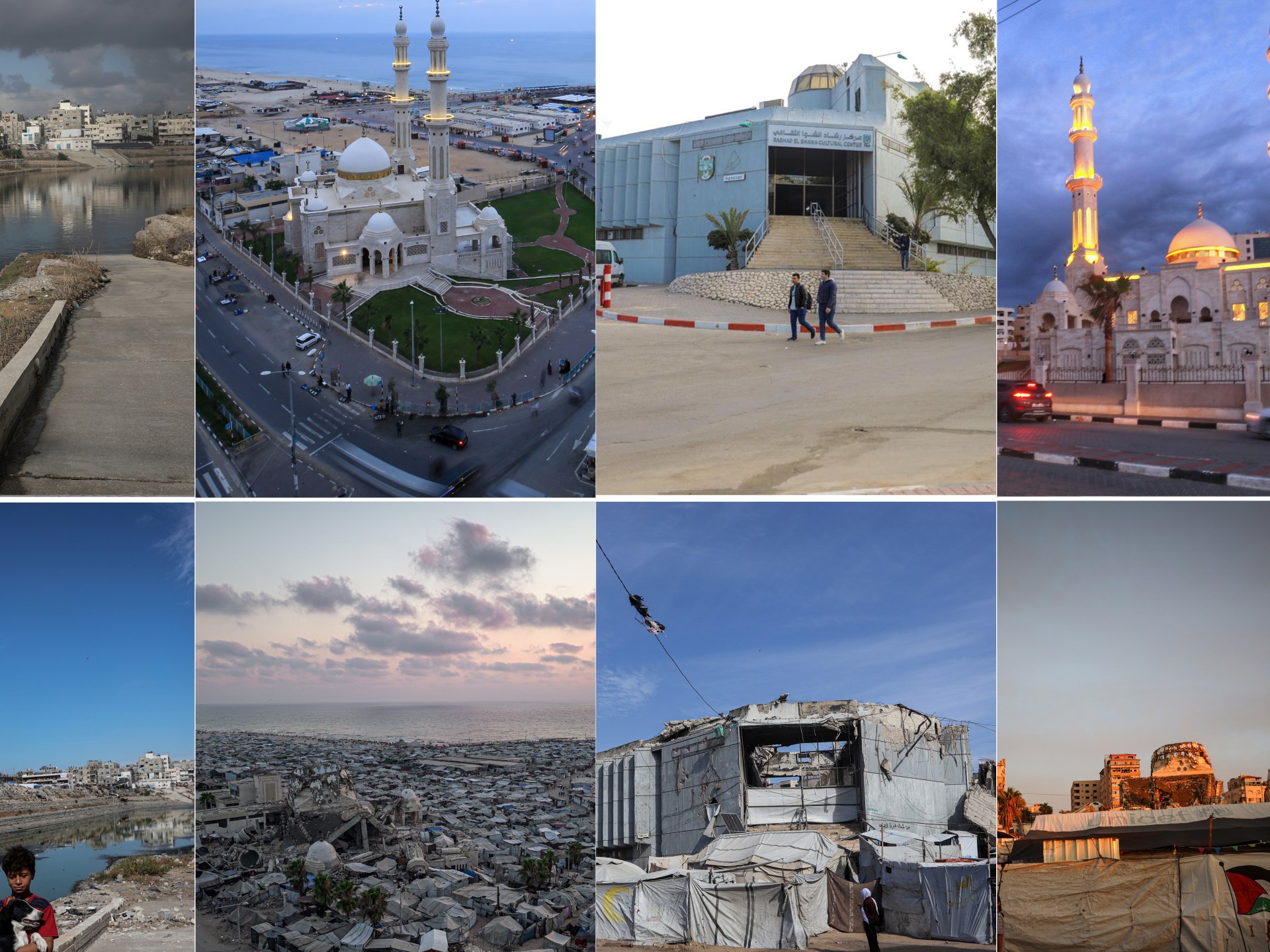
Geopolitical & Core Developments
Three years of unrelenting conflict have fundamentally reshaped the geopolitical architecture of the Middle East, reducing vast swathes of Gaza's urban centers to unrecognizable rubble. Comparative archival and recent imagery reveal the catastrophic dismantling of historical landmarks, commercial arteries, and municipal infrastructure. What was once a densely populated coastal enclave with active trade corridors has been transformed into an enduring humanitarian and strategic crisis. The escalation, which began following the October 2023 escalations, has expanded far beyond local skirmishes, drawing in regional proxy networks, naval coalitions, and major global powers. Diplomatic channels remain gridlocked as state actors struggle to negotiate a durable ceasefire, while the strategic stakes for regional hegemony continue to rise. The protracted nature of the hostilities has effectively frozen traditional diplomatic frameworks, forcing bilateral negotiators to rely on high-stakes backchannel talks mediated by regional capitals such as Cairo and Doha. Meanwhile, military deployments in the eastern Mediterranean remain heightened, signaling that state actors are bracing for a prolonged period of strategic friction and localized escalation.
Global Trade & Economic Ripples
The reverberations of the Gaza conflict extend deep into global commodity markets, maritime logistics, and international trade flows. Persistent threats to commercial shipping in the Red Sea and the Bab el-Mandeb strait—exacerbated by regional solidarity campaigns—have forced major container shipping lines to reroute vessels around the Cape of Good Hope. This logistical pivot has added thousands of nautical miles and weeks of transit time to Asia-Europe trade routes, triggering a sharp surge in freight rates, container shortages, and maritime insurance premiums. Furthermore, energy markets remain highly sensitive to the risk of regional spillover. Although direct disruptions to Middle Eastern crude production have been managed through spare capacity by OPEC+ members, the perpetual risk premium embedded in Brent crude reflects deep-seated market anxiety regarding potential blockades of critical chokepoints like the Strait of Hormuz. Agricultural and industrial supply chains dependent on these maritime corridors continue to absorb inflationary pressures, compounding post-pandemic economic recovery challenges across developing and developed economies alike.
International Reactions & Diplomatic Stances
The international community remains sharply divided over the trajectory of the conflict, creating deep fractures within multilateral bodies such as the United Nations Security Council. Western capitals have consistently affirmed Israel's right to self-defense while simultaneously expressing mounting alarm over the scale of civilian casualties and the systemic destruction of civil infrastructure. Conversely, nations across the Global South, led by South Africa and supported by numerous Latin American and Middle Eastern states, have intensified legal challenges at the International Court of Justice, alleging violations of international humanitarian law. Humanitarian agencies, including the United Nations Relief and Works Agency (UNRWA) and the World Food Programme, have repeatedly issued dire warnings regarding systemic famine and the collapse of the healthcare system. Market analysts and macroeconomic institutions, such as the International Monetary Fund and the World Bank, have begun issuing comprehensive assessments predicting that the eventual reconstruction of Gaza will require tens of billions of dollars and decades of coordinated international financing, dwarfing post-World War II Marshall Plan expenditures relative to local GDP.
Strategic Outlook & Future Scenarios
Looking toward the medium term, the strategic outlook for Gaza and the broader Levant remains fraught with profound uncertainty. Upcoming diplomatic summits and emergency ministerial meetings will likely focus on establishing a credible post-conflict governance framework, though consensus on who will administer and police the devastated enclave remains elusive. Key risk vectors include the potential for a formal, multi-front escalation involving northern neighbors, which would instantly paralyze eastern Mediterranean energy exploration projects, notably offshore natural gas fields. Economic sanctions, asset freezes, and export controls targeting financial networks linked to militant financing are expected to tighten, placing additional compliance burdens on international banking institutions. Ultimately, until a comprehensive political settlement addressing Palestinian self-determination and regional security guarantees is achieved, global markets must price in a permanent state of geopolitical fragility across the Middle Eastern corridor.
Join Our Official WhatsApp Channel
Receive live commodity alerts, policy changes, and commercial intelligence directly on WhatsApp.