
Sinaloa Prison Clash Leaves Ten Dead as Mexican Cartel Violence Threatens Trade Corridors
A deadly prison clash in Mexico's Sinaloa state has killed ten people, escalating security concerns that threaten critical North American supply chains and cross-border commercial corridors.
Geopolitical & Core Developments
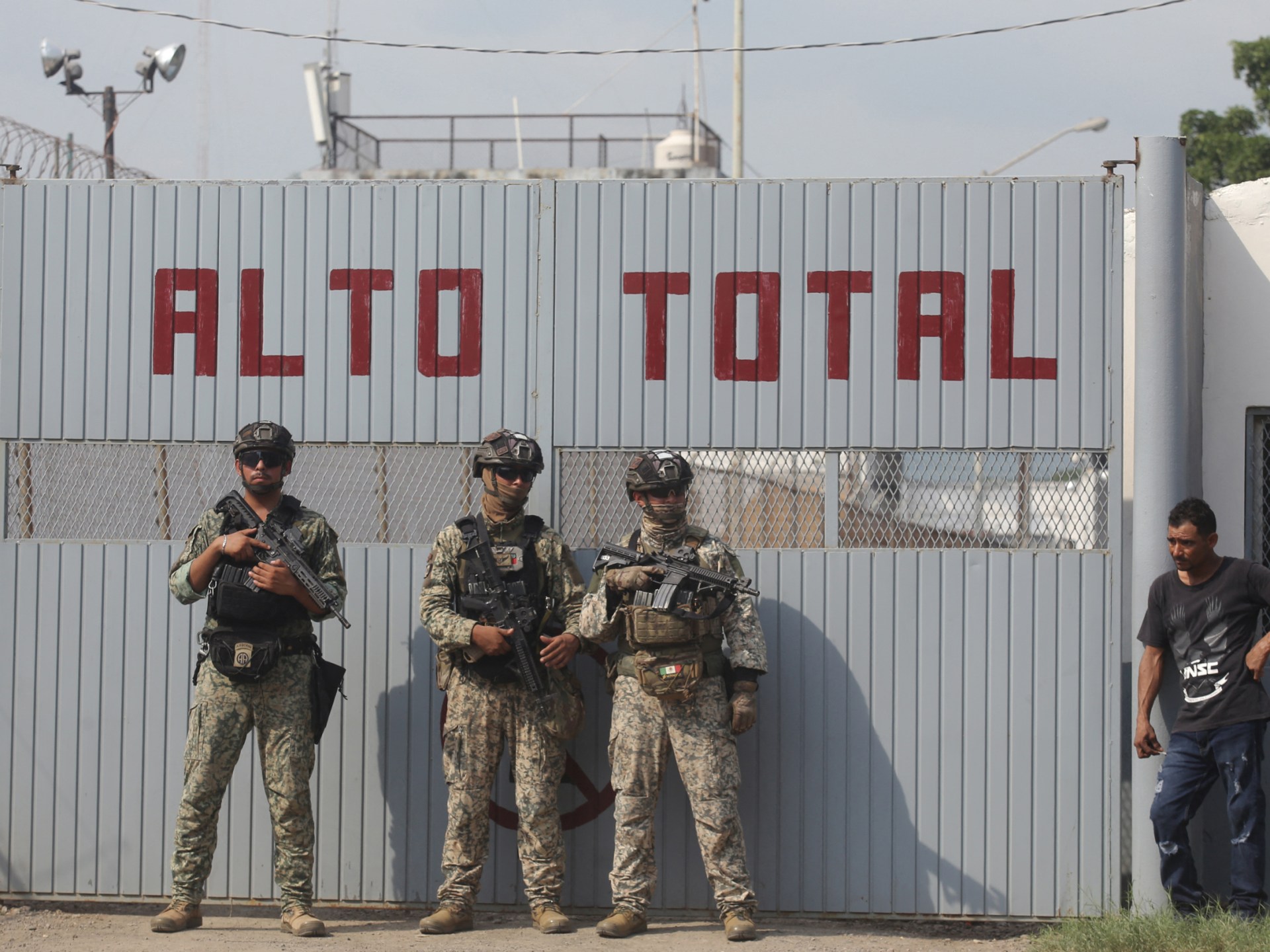
A catastrophic prison riot within Mexico's strife-torn Sinaloa state has left at least ten individuals dead, comprising nine inmates and one visitor, according to local authorities. The incident underscores the pervasive reach of organized crime syndicates within state-run correctional facilities and highlights the deteriorating security apparatus in a region long dominated by powerful drug trafficking organizations. The clash erupted amid intensifying factional warfare following the high-profile leadership transitions within the Sinaloa Cartel, sending shockwaves through local governance and federal security agencies.
State security forces regained control of the facility hours after the violence broke out, deploying tactical units and military reinforcement to contain perimeter threats. However, the operational breach inside a maximum-security environment reveals structural vulnerabilities that continue to plague Mexico's penal system. Federal authorities are under mounting pressure to initiate comprehensive overhauls to prevent retaliatory violence both within correctional facilities and across surrounding municipalities, where turf wars have paralyzed local commerce and daily life.
Global Trade & Economic Ripples
While the immediate crisis remains localized within the correctional facility, the broader security implications carry severe ramifications for global commodity markets and international trade. Sinaloa serves as a vital agricultural and logistical nexus, connecting domestic Mexican production to major North American export hubs. Persistent cartel violence and state instability directly threaten critical transport arteries, including highways and rail networks utilized for the transit of perishable goods, manufactured components, and raw materials traded under the United States-Mexico-Canada Agreement (USMCA).
Supply chain managers and institutional investors are increasingly factoring security risk premiums into cross-border operations. Logistics firms operating freight transport through northwestern Mexico report escalating insurance underwriting costs and disrupted delivery schedules. Prolonged instability in this strategic corridor risks bottlenecking agricultural exports—particularly fresh produce destined for U.S. markets—and introducing inflationary pressures across regional supply chains. Furthermore, heightened volatility deters foreign direct investment in local industrial zones, stalling infrastructure expansion projects essential for bilateral commerce.
Related Intelligence: Christa Pike Case Spotlights Systemic Flaws in United States Capital Punishment
International Reactions & Diplomatic Stances
International observers and foreign policy analysts have expressed deep concern over the escalating violence in Sinaloa, warning that unchecked cartel dominance poses a direct challenge to regional stability. Trade partners, including the United States, are closely monitoring the security situation, with particular emphasis on the safety of transnational supply chains and diplomatic personnel operating in the region. Multilateral economic institutions emphasize that robust rule of law and secure logistics corridors are prerequisites for sustained foreign investment under the USMCA framework.
Market analysts note that sustained lawlessness in key Mexican producing states complicates diplomatic negotiations regarding security cooperation and border management. While federal authorities in Mexico City pledge intensified crackdowns on organized crime, international stakeholders continue to advocate for structural judicial and policing reforms capable of dismantling the financial and operational networks sustaining cartel syndicates.
Strategic Outlook & Future Scenarios
Looking ahead, the trajectory of security in Sinaloa will largely depend on the federal government's capacity to suppress factional cartel violence without triggering widespread collateral instability. Upcoming bilateral security dialogues between Washington and Mexico City are expected to prioritize intelligence sharing, border security technology, and coordinated efforts to dismantle illicit financial flows supporting cartel networks.
Should security forces fail to stabilize the region, multinational corporations may accelerate supply chain diversification strategies, shifting procurement and manufacturing hubs toward safer jurisdictions. Investors will continue to monitor enforcement actions and correctional facility reforms as primary indicators of Mexico's long-term ability to safeguard international trade routes and maintain investor confidence.
Join Our Official WhatsApp Channel
Receive live commodity alerts, policy changes, and commercial intelligence directly on WhatsApp.