
Riyadh Airport Attack Shakes Gulf Aviation and Regional Markets
Twin attacks on Riyadh's King Khalid International Airport killed three Saudi nationals and damaged a Saudia aircraft, raising urgent security and economic concerns across the region.
The Core Development
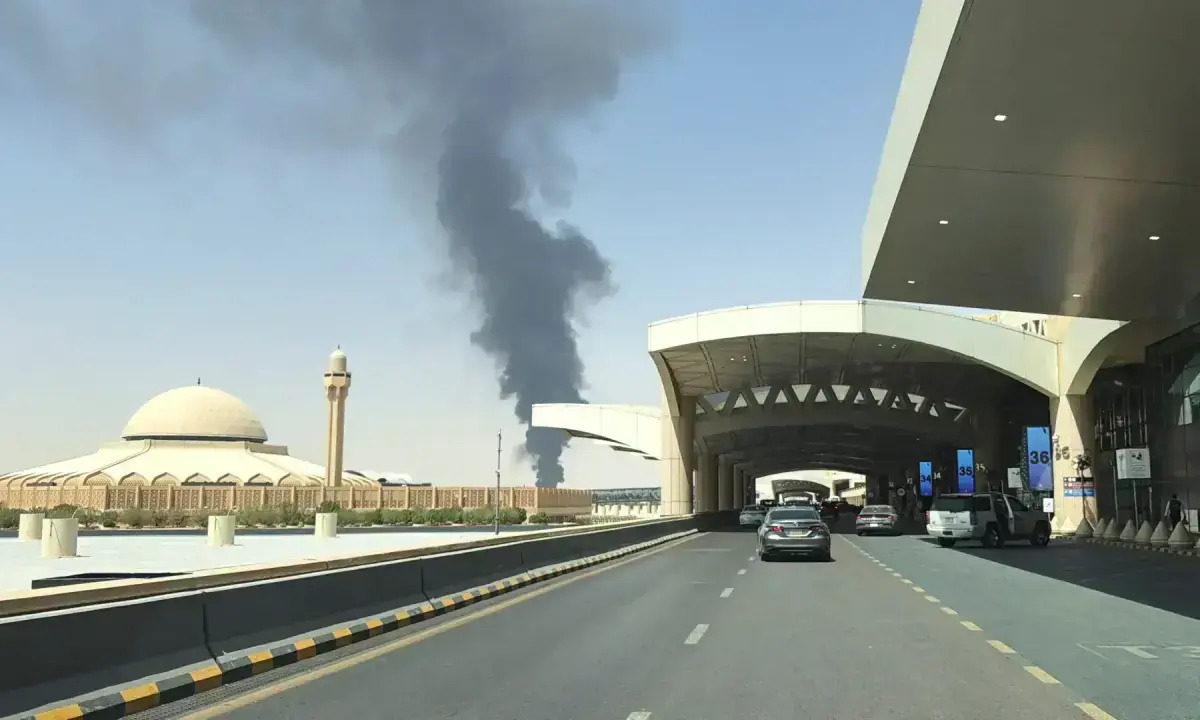
In a shocking escalation of regional security threats, Saudi Arabia’s General Authority of Civil Aviation (GACA) confirmed on Friday that three Saudi nationals, including an active-duty commercial pilot, were killed in a pair of coordinated attacks on King Khalid International Airport in Riyadh. The incident, which unfolded on Thursday, has sent shockwaves through the international aviation community and prompted immediate security lockdowns across critical transport hubs in the Gulf Cooperation Council (GCC) region.
According to official statements released via social media channels, the first strike directly hit vital ground-level airport facilities, causing substantial structural damage and igniting localized fires that required immediate emergency intervention. The second strike targeted a parked commercial aircraft belonging to the national flag carrier, Saudia, resulting in severe hull damage. Emergency medical services reported that numerous individuals sustained injuries ranging from minor shrapnel wounds to severe trauma requiring intensive care. Authorities have launched a comprehensive forensic and intelligence investigation to determine the origin of the projectiles and identify the perpetrators behind the breach of one of the Middle East's most heavily fortified airspace perimeters.
Commercial & Economic Implications
For Pakistan's import-dependent economy and its extensive trade networks with the Gulf, the attacks on Riyadh's primary aviation gateway carry profound commercial implications. King Khalid International Airport serves as a vital logistics node, facilitating high-value air cargo, perishable goods, and business travel between South Asia and the Arabian Peninsula. Disruptions to operations at Riyadh can trigger cascading delays in cargo handling, freight forwarding, and wholesale supply chain distribution.
Furthermore, the incident introduces heightened volatility into global energy markets and aviation insurance sectors. Increased security risk premiums for flights operating within Middle Eastern airspace are expected to drive up operational costs for carriers such as Saudia, Pakistan International Airlines (PIA), and other regional operators. These elevated overhead costs threaten to filter down to retail consumers through higher airfares and increased freight rates for essential imported commodities, potentially adding to inflationary pressures already affecting the domestic Pakistani market.
Related Intelligence: Riyadh Airport Attack Disrupts Trade and Aviation Networks
Stakeholder Perspectives & Market Reactions
Business councils, trader associations, and logistics experts in Pakistan have expressed deep concern over the security deterioration in the Gulf. Representatives from major export houses note that air freight corridors to Saudi Arabia are critical for the timely delivery of textiles, surgical instruments, and perishable agricultural produce, particularly mangoes and meat products. Any sustained disruption to flight schedules or cargo clearances threatens valuable export revenue streams.
Internationally, aviation regulatory bodies and Gulf authorities are facing intense scrutiny regarding airport perimeter security and defense preparedness against asymmetrical threats. Industry bodies have called for immediate coordination to safeguard civilian aviation personnel and critical infrastructure, emphasizing that maintaining open and secure trade lanes is paramount for global economic stability. Legal and policy analysts point out that the incident may accelerate investments in advanced anti-drone technologies and enhanced radar surveillance systems across all major regional airports.
Forward Outlook & Key Watchpoints
In the immediate term, market participants and logistics operators must monitor flight safety advisories issued by international aviation authorities and GACA's operational updates regarding King Khalid International Airport. Key watchpoints include the timeline for full structural repairs, the resumption of normal cargo handling capacities, and potential adjustments to regional flight paths.
Policymakers in Islamabad and Riyadh will likely review contingency protocols for expatriate workers and trade corridors to insulate commercial exchanges from geopolitical shocks. As investigations proceed, the resilience of Gulf supply chains will face a rigorous test, making risk mitigation and proactive logistics planning essential for businesses reliant on Middle Eastern trade routes.
Join Our Official WhatsApp Channel
Receive live commodity alerts, policy changes, and commercial intelligence directly on WhatsApp.