
Michigan Senate Debate Highlights US Legislative Stakes for Global Markets
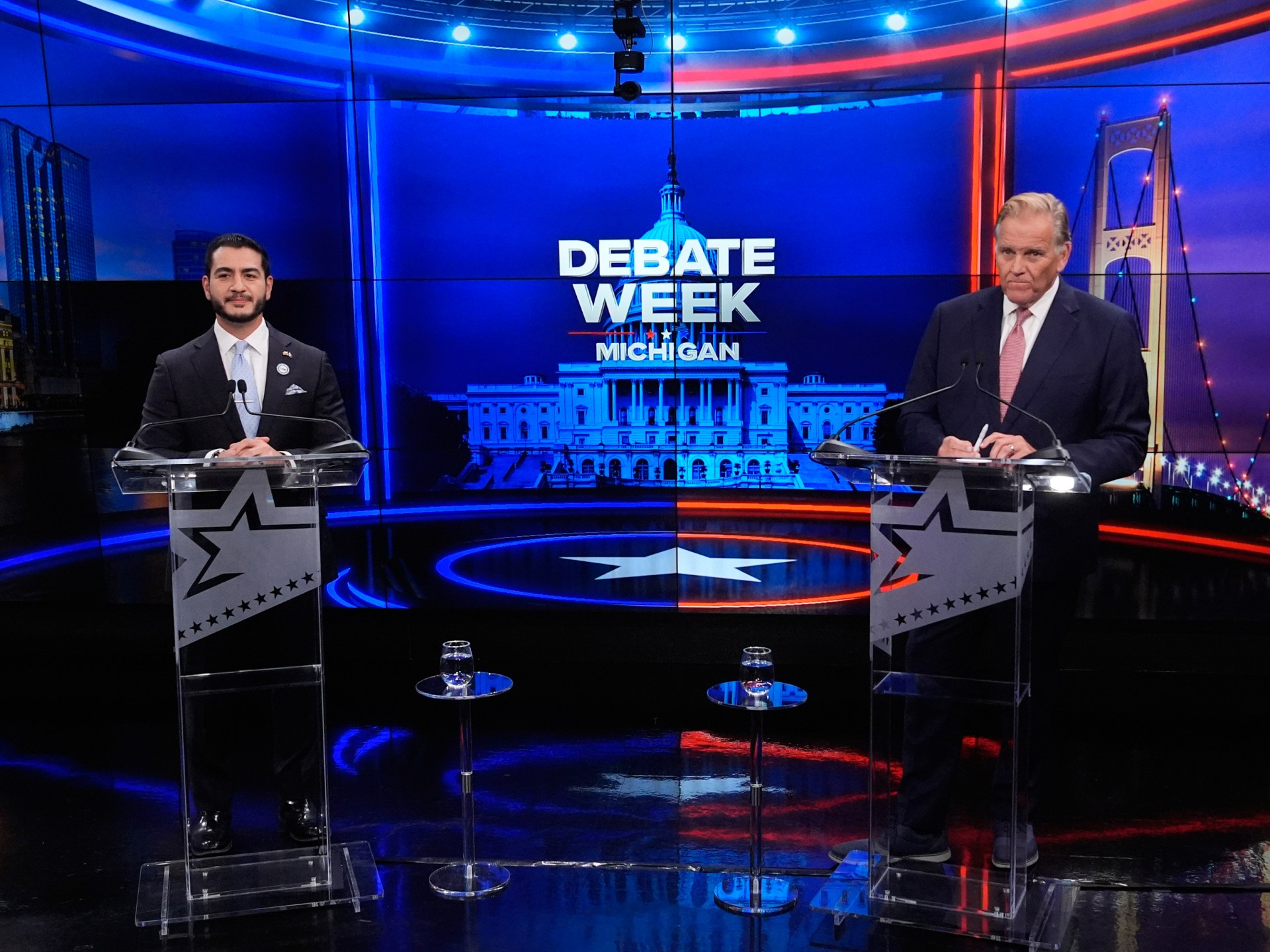
The high-stakes Michigan Senate debate between Abdul El-Sayed and Mike Rogers underscores potential shifts in US legislative control, carrying significant implications for international trade and global commodity markets.
Geopolitical & Core Developments
The recent high-stakes debate in Michigan between Democratic candidate Abdul El-Sayed and Republican contender Mike Rogers has illuminated the intense battleground shaping the future balance of power in the United States Senate. As both parties vie for legislative dominance, the contest in this crucial Midwestern state has transcended domestic electoral politics, drawing the scrutiny of international observers, foreign diplomats, and global market strategists. The race, currently characterized by political analysts as a definitive toss-up, represents a pivotal referendum on the trajectory of American foreign policy, trade posture, and industrial strategy.
State actors and international partners are closely evaluating the rhetorical positions of both candidates regarding economic protectionism, national security, and international alliances. While El-Sayed emphasizes progressive multilateralism, climate-conscious industrial transitions, and strengthened international cooperation, Rogers articulates a traditional conservative doctrine centered on national sovereignty, aggressive trade enforcement, and strategic industrial self-sufficiency. The outcome of this contest will directly influence the composition of key Senate committees that oversee foreign relations, defense authorization, and international commerce, thereby setting the legislative framework within which future presidential administrations must operate.
[Global Trade](/news/wto-upgrades-global-trade-forecast-pakistan-gains-middle-east-disruptions) & Economic Ripples
For international commerce and global commodity markets, the stakes of the Michigan Senate race extend far beyond domestic jurisdiction. Michigan remains a vital nexus of North American automotive manufacturing, advanced engineering, and cross-border supply chains linked inextricably to the United States-Mexico-Canada Agreement (USMCA). Legislative shifts resulting from the Senate balance of power directly impact tariff policies, regulatory compliance costs, and subsidies for green technology and critical minerals.
Commodity traders dealing in industrial metals, automotive inputs, and energy products are particularly sensitive to the protectionist or free-trade tendencies championed by candidates in pivotal industrial states. A shift in Senate control could accelerate or impede federal investments in domestic semiconductor manufacturing and electric vehicle supply chains, altering import demand patterns from key trading partners in Asia and Europe. Furthermore, foreign exchange markets and currency values remain reactive to potential shifts in US fiscal policy and trade defensiveness, as legislative deadlocks or major policy reversals routinely inject volatility into global financial systems.
Related Intelligence: South African Asylum Ruling Sparks Violent Unrest and Trade Disruptions
International Reactions & Diplomatic Stances
International bodies, foreign ministries, and multinational economic institutions have monitored the unfolding electoral dynamics in Michigan with calculated discretion. Multilateral trade organizations and foreign trade partners recognize that the legislative branch serves as a critical check on executive branch trade negotiations, sanctions enforcement, and treaty ratification. European and Asian trade delegations frequently lobby congressional committees to maintain predictable regulatory environments and open shipping lanes, shielding global supply chains from sudden protectionist shocks.
Market analysts and geopolitical risk consultancies point out that foreign direct investment into the United States heavily relies on the long-term stability guaranteed by bipartisan legislative consensus. Consequently, intense partisan competition and policy polarization, as showcased during the El-Sayed and Rogers debate, generate lingering uncertainty for international corporations planning multi-billion-dollar capital allocations in American manufacturing and energy sectors.
Strategic Outlook & Future Scenarios
Looking toward the upcoming electoral cycle and subsequent legislative sessions, the trajectory of US trade policy and geopolitical engagement will be heavily dictated by the outcome in Michigan and parallel senatorial battlegrounds. Should the Senate flip or remain narrowly divided, the legislative branch is likely to experience continued gridlock on major international agreements, while maintaining aggressive bipartisan consensus on strategic competition and supply chain de-risking.
Upcoming international economic summits and climate negotiations will proceed under the shadow of potential shifts in American regulatory enforcement and subsidy disbursements. Foreign governments are already hedging their diplomatic and commercial strategies, preparing for an American political landscape characterized by heightened industrial policy, selective protectionism, and ongoing contestation over the future architecture of global trade and security alliances.
Join Our Official WhatsApp Channel
Receive live commodity alerts, policy changes, and commercial intelligence directly on WhatsApp.