
Yemen Conflict Escalates as Taiz Blockade Deepens and Shabwah Clashes Intensify
Yemeni government forces have launched broad military offensives across key provinces as a tightening siege of Taiz and mounting casualties in energy-rich Shabwah threaten regional stability and critical Red Sea transit corridors.
Geopolitical & Core Developments
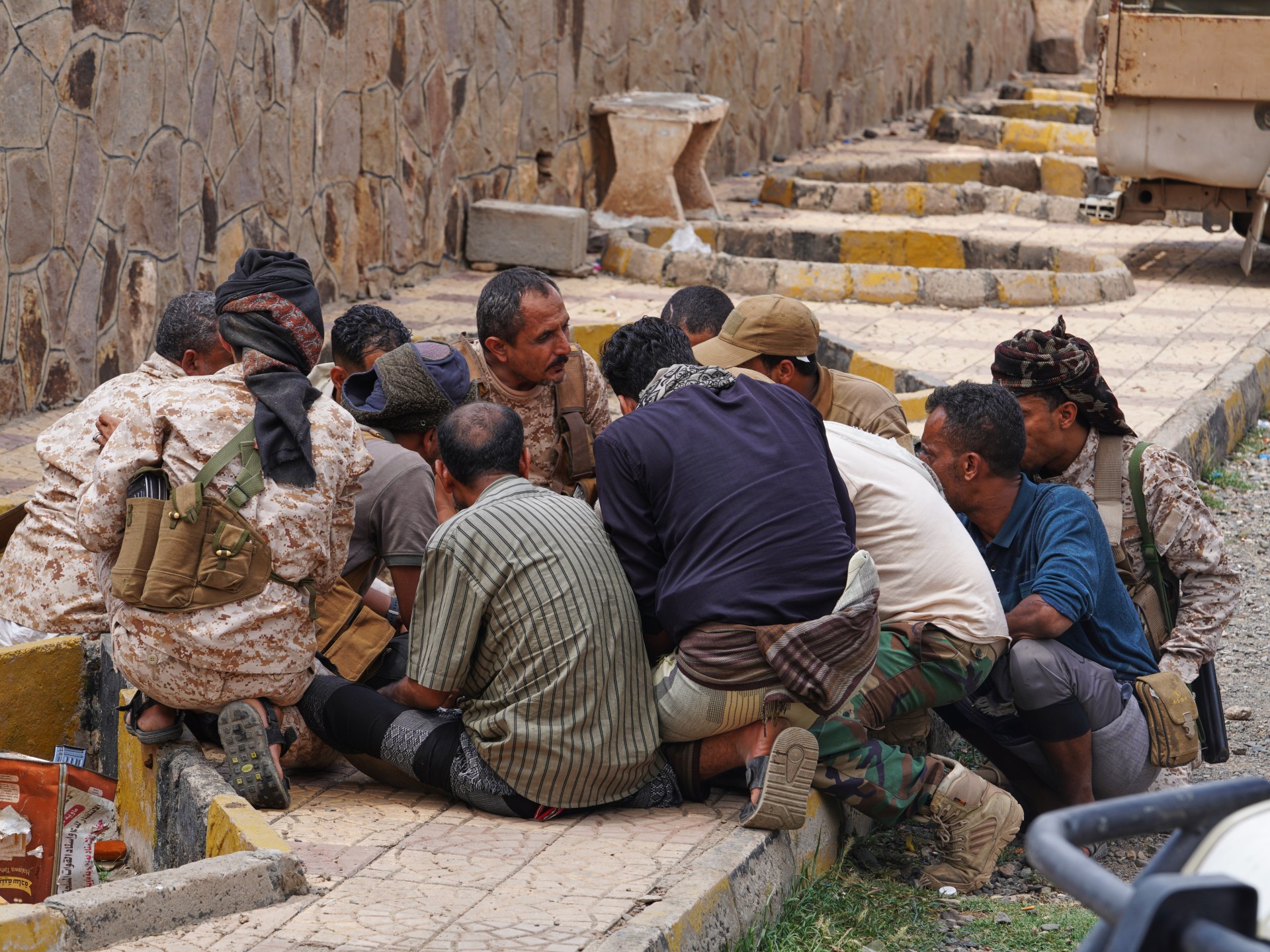
Military confrontations across Yemen have escalated sharply as internationally recognized government forces launch synchronized offensives across several key battlegrounds. The focal point of the renewed violence centers on the southwestern city of Taiz, where a protracted and punishing blockade enforced by Houthi forces has tightened significantly, severely choking access to humanitarian relief, fuel, and commercial foodstuffs. Simultaneously, intense armed skirmishes in the resource-rich province of Shabwah have produced a rising death toll, underscoring the fragile and fractured nature of territorial control across the nation's southern and central governorates.
The strategic value of Taiz lies in its pivotal position linking Yemen's northern highlands to southern ports, making it both a critical logistics artery and a barometer of operational dominance between warring factions. Government maneuvers aim to relieve pressure on besieged urban populations and disrupt insurgent supply lines. However, the operational tempo has expanded into adjacent energy-rich basins, specifically Shabwah, where clashes between fragmented local factions, southern separatists, and coalition-aligned units have complicated military alliances and imperiled regional security architecture.
Global Trade & Economic Ripples
While the fighting remains localized within Yemeni land corridors, the geopolitical proximity of the clashes to the Bab al-Mandab Strait introduces immediate risks for international maritime trade. The southern Red Sea corridor, through which an estimated 10 to 12 percent of global seaborne petroleum and liquid natural gas transits, remains hyper-sensitive to any operational spillover from mainland territorial disputes. Sustained destabilization raises commercial marine insurance premiums and complicates logistics routing for bulk dry-cargo and container fleets operating between the Mediterranean Sea and the Indian Ocean.
Furthermore, the violence in Shabwah poses a direct threat to domestic hydrocarbons infrastructure, including crude transmission pipelines and export terminals along the Arabian Sea. Interrupted distribution networks not only exacerbate Yemen's domestic fiscal crisis and structural currency depreciation but also compound pressure on regional grain and basic commodity pricing. Commercial importers face elevated war-risk surcharges, high demurrage costs, and disrupted offloading logistics at southern ports, curtailing vital trade flows into the Arabian Peninsula.
Related Intelligence: Kim Jong Un Reappears as Succession Questions Weigh on Regional Security
International Reactions & Diplomatic Stances
The United Nations Office of the Special Envoy for Yemen has expressed grave concern over the deterioration of security conditions, urging all combatant parties to exercise maximum restraint and recommit to structured dialogue. Multilateral bodies have cautioned that the siege conditions in Taiz breach international humanitarian law regarding the passage of essential supplies and civilian freedom of movement.
Regional stakeholders, including members of the Saudi-led coalition, have monitored the escalations in Shabwah closely, attempting to mediate internal friction among allied southern commands to maintain a unified front. Western diplomatic missions have echoed appeals for an immediate cessation of hostilities, highlighting that uncontained internal skirmishes actively undermine international initiatives aimed at brokering a comprehensive, nationwide political settlement.
Strategic Outlook & Future Scenarios
The trajectory of the Yemeni theatre points toward continued tactical volatility. In the immediate term, should government forces fail to decisively breach the encirclement around Taiz, humanitarian conditions within the urban core are projected to worsen markedly, increasing pressure on international aid agencies and multilateral monitors. Conversely, an overextension of military assets toward urban breakthrough operations could leave critical energy infrastructure in Shabwah and Marib vulnerable to insurgent counter-offensives.
Going forward, the risk of maritime friction near the southwestern maritime chokepoints will dictate the commercial calculus for global shippers and regional energy exporters. Unless international mediation successfully links local de-escalation protocols in Taiz with broader security assurances in oil-producing governorates, Yemen risks entering another sustained cycle of fragmented, attrition-heavy warfare with widespread humanitarian and commercial fallout.
Join Our Official WhatsApp Channel
Receive live commodity alerts, policy changes, and commercial intelligence directly on WhatsApp.