
Russia Backs Iran Amid Rising Middle East Tensions and Energy Windfalls
While Moscow publicly reaffirms diplomatic solidarity with Tehran amid escalating friction with Washington, heightened regional instability delivers unexpected commercial windfalls for Russian energy exports.
Geopolitical & Core Developments
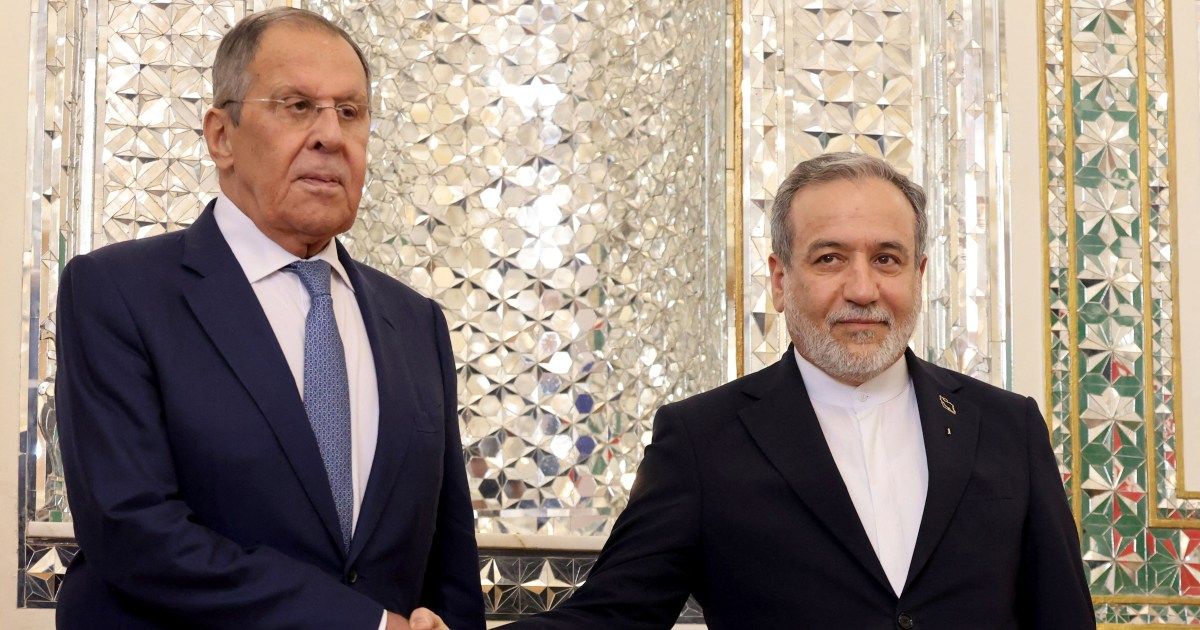
Russian Foreign Minister Sergey Lavrov has reiterated the Kremlin's steadfast diplomatic alignment with Tehran, condemning Western pressure campaigns and military posture in the Middle East. Speaking against the backdrop of intensifying frictions between Washington and Iran, Moscow presented itself as a reliable partner to its heavily sanctioned Eurasian counterpart. Bilateral security pacts, expanded military cooperation, and reciprocal diplomatic shielding at international forums have cemented ties between the two capitals over recent years.
Beneath this public posture of solidarity lies a complex geopolitical calculus. While Tehran seeks to de-escalate regional hostilities to preserve domestic economic stability and prevent direct military strikes on its vital infrastructure, Moscow derives distinct strategic advantages from persistent friction. The diversion of Western military assets, political capital, and diplomatic attention from Eastern Europe to the Persian Gulf directly serves Moscow's broader geopolitical objectives. Furthermore, prolonged tensions insulate Russia from diplomatic isolation, reinforcing a counter-hegemonic bloc across the Global South that challenges Western-led institutional frameworks.
Global Trade & Economic Ripples
For international commodity markets, the friction between Washington and Tehran carries immediate structural implications. Middle East risk premiums have contributed to upward volatility in benchmark Brent crude prices. For the Russian Federation, which faces G7 price caps and European import bans, elevated global oil prices yield substantial fiscal benefits. Urals crude, sold at targeted discounts to Asian buyers, trades at higher absolute price levels whenever Gulf tensions flare, generating crucial foreign currency reserves for the Russian state treasury.
Moreover, the confrontation accelerates the reorganization of critical supply chains and trading corridors. Both Moscow and Tehran continue to invest heavily in the International North-South Transport Corridor (INSTC), a 7,200-kilometer multimodal network designed to bypass European maritime choke points and the Suez Canal. Regional conflict underscores the vulnerability of traditional maritime routes, including the Strait of Hormuz and the Bab el-Mandeb, compelling non-aligned trading firms to hedge logistics exposure. The persistent disruption in key shipping lanes has elevated freight insurance rates globally, tightening commercial margins across bulk commodity and energy shipping sectors.
Related Intelligence: Police Officer Killed in Miranshah Attack Amid Rising Khyber Pakhtunkhwa Instability
International Reactions & Diplomatic Stances
Western capitals have viewed the Moscow-Tehran rapprochement with mounting alarm. The United States State Department and European Union external affairs officials have repeatedly warned that deeper defense integration between Russia and Iran violates United Nations Security Council frameworks and threatens stability across both the European continent and the Middle East. Washington has signaled readiness to deploy secondary sanctions targeting maritime operators, financial intermediaries, and trading houses facilitating illicit technology and crude transfers between the two states.
Conversely, regional powers across the Gulf Cooperation Council (GCC) maintain a cautious posture, seeking to balance security partnerships with the United States against pragmatic economic ties with Russia and diplomatic detente with Iran. Multilateral financial bodies note that the expanding use of national currencies—such as the Russian ruble, Iranian rial, and Chinese yuan—in bilateral settlements reflects an ongoing systemic effort to de-dollarize critical trade flows and circumvent Western financial clearing mechanisms.
Strategic Outlook & Future Scenarios
Looking ahead, the trajectory of US-Iran relations will dictate the pace of Eurasian economic integration. Should regional tensions escalate into direct kinetic conflict involving energy infrastructure, the ensuing global supply shock would trigger sharp inflationary pressures across energy-importing economies, further cementing Russia's leverage as a critical alternative supplier. Conversely, an unexpected diplomatic breakthrough between Washington and Tehran that restores Iranian crude to global markets without restriction could compress international prices, diluting the fiscal windfalls Moscow currently enjoys.
In the medium term, Moscow is anticipated to leverage upcoming multilateral gatherings, including the BRICS framework, to institutionalize alternative trade architecture and financial messaging systems. As Washington expands secondary sanctions, the resilience of commercial corridors connecting Russia, Iran, and major Asian consumers will serve as a decisive test case for the endurance of global sanctions regimes and the stability of global energy commerce.
Join Our Official WhatsApp Channel
Receive live commodity alerts, policy changes, and commercial intelligence directly on WhatsApp.