
West Bank Olive Harvest Violence Escalates Tensions and Rural Disruption
Escalating attacks by Israeli settlers on Palestinian farmers during the vital olive harvest have caused widespread damage, worsening regional economic instability and drawing heightened international scrutiny.
Geopolitical & Core Developments
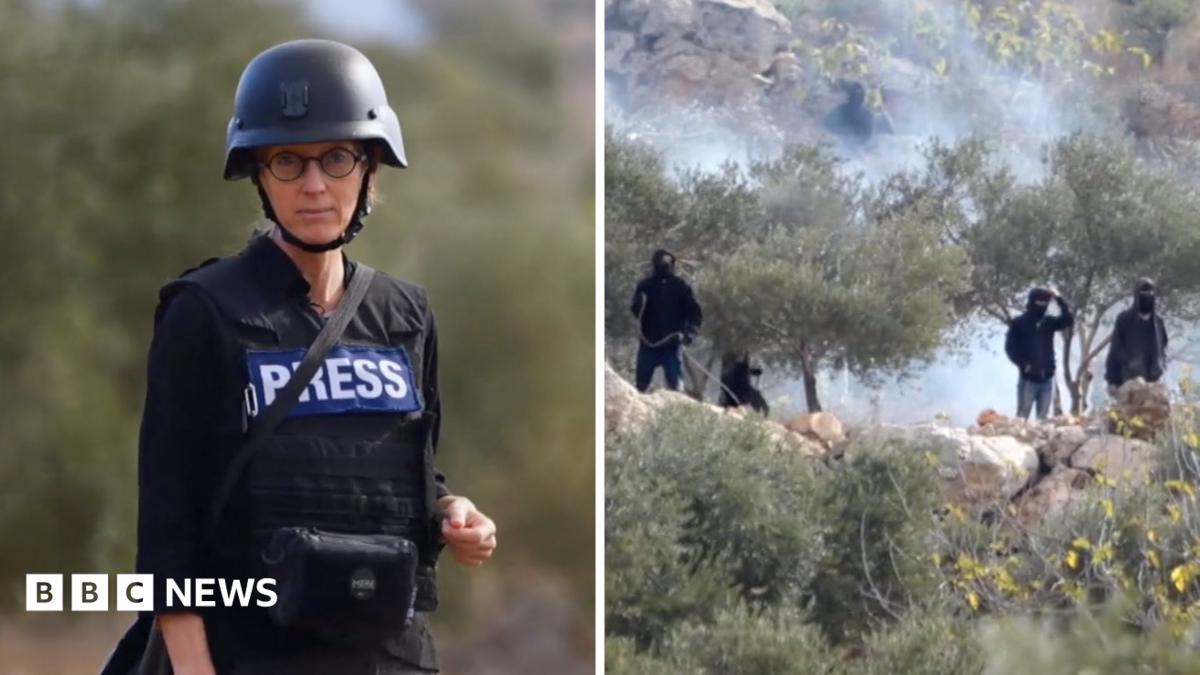
Tensions across the occupied West Bank intensified this week as groups of Israeli settlers launched targeted attacks on Palestinian farmers and set fire to ancient olive groves during the critical annual harvest season. Eyewitness reports and monitoring organizations documented multiple confrontations across several rural governorates, where masked individuals assaulted harvesters, vandalized equipment, and ignited fires that swept through productive agricultural land. The seasonal harvest, which runs from October through November, serves as the economic lifeblood for tens of thousands of Palestinian families and represents an essential cultural pillar in the territories.
The violence unfolds against a backdrop of historic geopolitical friction in the Middle East, where security forces have concentrated resources along external operational fronts, leaving rural West Bank corridors increasingly volatile. Humanitarian monitors note that seasonal attacks on olive orchards have surged dramatically over the past year, with military-enforced access restrictions further limiting Palestinian landowners from reaching their plots along settlement perimeters and security infrastructure. The inability of local communities to safely access productive land has deepened territorial disputes and increased the risk of broader civilian clashes across the West Bank.
Global Trade & Economic Ripples
While localized to rural agricultural sectors, the systemic destruction of olive groves exerts tangible pressures on Palestinian domestic trade and regional supply balances. Olive oil production accounts for an estimated 15 to 25 percent of the total agricultural output in the Palestinian territories, supporting livelihoods across more than 100,000 households. The loss of productive trees through arson and structural vandalism threatens to curtail seasonal yields, pushing domestic prices higher and diminishing regional export volumes to traditional markets across the Levant and the Gulf Cooperation Council (GCC).
Beyond direct agricultural losses, the recurrent volatility in the West Bank injects persistent uncertainty into wider Levantine logistics corridors. Commercial transport between municipal hubs faces intermittent delays due to tightened security checkpoints, localized protests, and infrastructure damage. For international businesses operating across the Eastern Mediterranean, heightened territorial frictions sustain risk premiums in regional logistics, cross-border banking operations, and infrastructure development. The protracted disruption of rural commerce also elevates dependency on humanitarian food aid programs, diverting international donor capital from structured economic development to emergency relief.
Related Intelligence: China Urges Israel to Halt West Bank Settlement Expansion
International Reactions & Diplomatic Stances
The escalation has prompted sharp rebukes from multilateral institutions and Western diplomatic missions. The United Nations Office for the Coordination of Humanitarian Affairs (OCHA) warned that systematic settler-related violence undermines international law and threatens the viability of local rural livelihoods. Special rapporteurs urged the government of Israel, as the occupying power, to uphold its obligations to protect civilians and ensure unhindered access to agricultural assets.
Diplomatic officials from the European Union and the United States issued statements condemning the attacks and emphasizing that continued settlement expansion and unpunished settler violence jeopardize long-term stability and prospects for a negotiated two-state framework. Several Western capitals have reiterated potential expansions of targeted unilateral sanctions against individual extremist actors implicated in destabilizing West Bank communities, signaling growing impatience with local law enforcement failures.
Strategic Outlook & Future Scenarios
The immediate trajectory of the West Bank remains precarious as the harvest season enters its final weeks. Continued disruptions risk triggering localized retaliatory actions, which could escalate into wider public unrest across major urban centers such as Ramallah, Nablus, and Hebron. Such a deterioration would severely strain existing coordination mechanisms and complicate ongoing diplomatic efforts aimed at regional de-escalation.
Moving forward, international scrutiny is expected to intensify at upcoming multilateral forums, including the United Nations General Assembly and European Council ministerial sessions. Should institutional enforcement against settler impunity fail to materialize, Western governments face mounting political pressure to adopt formal economic measures, including enhanced import certifications and broader financial restrictions targeting entities operating within unauthorized outposts. In the absence of decisive stabilization, the erosion of the West Bank's agrarian economy will remain a potent catalyst for prolonged geopolitical volatility.
Join Our Official WhatsApp Channel
Receive live commodity alerts, policy changes, and commercial intelligence directly on WhatsApp.