
Spain Appeals FIFA Sanctions at CAS Over Discriminatory Fan Chants
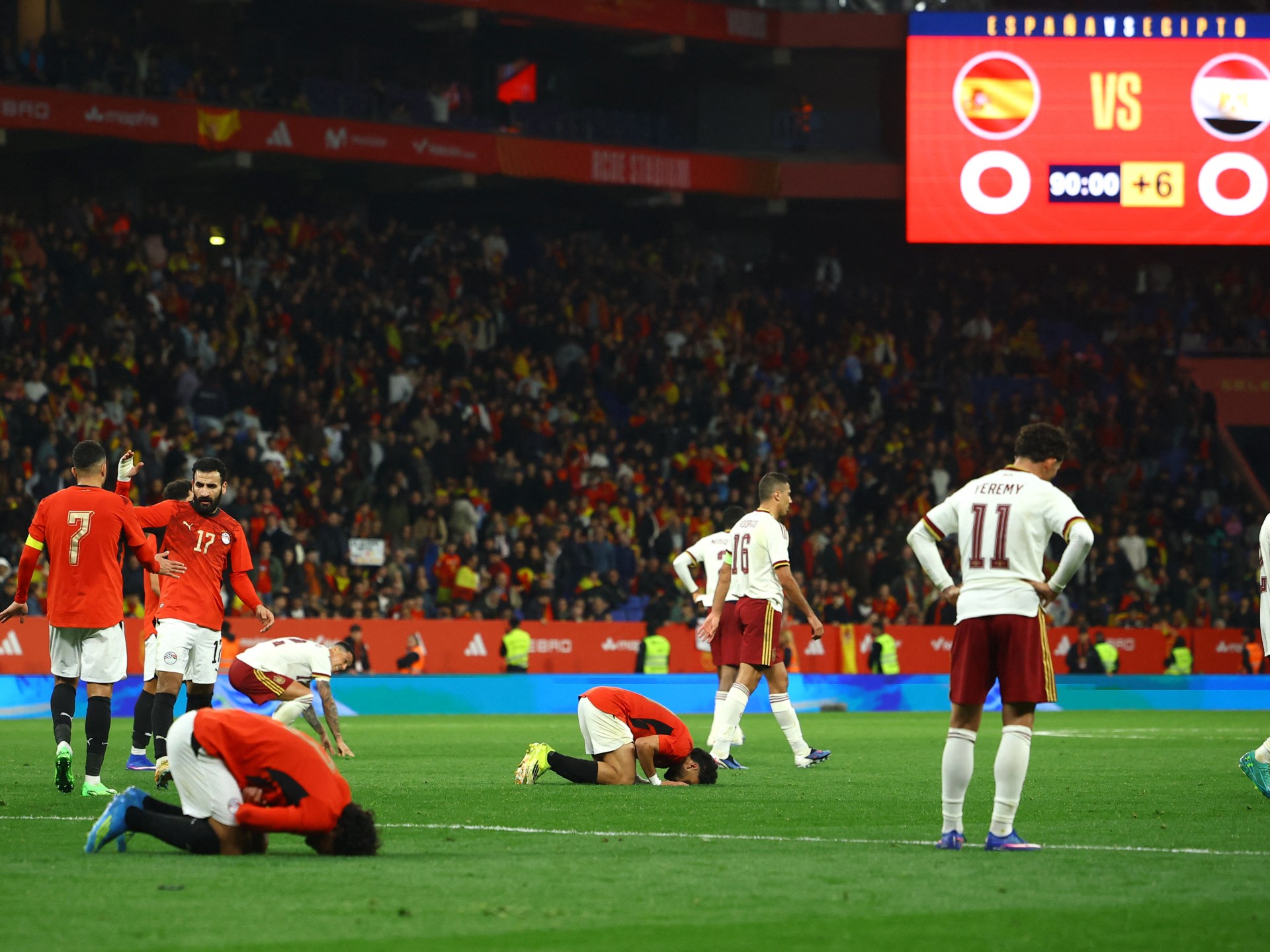
Spain has filed an appeal with the Court of Arbitration for Sport challenging FIFA disciplinary sanctions imposed following Islamophobic chanting during an international fixture against Egypt.
Geopolitical & Core Developments
The Royal Spanish Football Federation (RFEF) has formally escalated its dispute with FIFA by lodging an appeal before the Court of Arbitration for Sport (CAS) in Lausanne, Switzerland. The legal contest challenges stringent disciplinary measures imposed by world football's governing body following documented instances of Islamophobic abuse and discriminatory chanting by sections of Spanish supporters during an international friendly fixture against Egypt. FIFA's Disciplinary Committee handed down financial penalties alongside mandated stadium capacity restrictions for forthcoming fixtures, citing breaches of Article 13 of the FIFA Disciplinary Code, which strictly prohibits offensive, discriminatory, or derogatory behavior related to race, religion, or national origin.
Spanish football authorities have contested the proportionality of the ruling, arguing that the federation enacted appropriate preventative protocols and coordinated with law enforcement agencies to identify and eject offending individuals. However, the legal maneuver arrives at an exceptionally delicate geopolitical moment. Spain, alongside Portugal and Morocco, serves as a designated co-host for the 2030 FIFA World Cup. The tripartite hosting arrangement fundamentally relies on robust cross-Mediterranean and cross-cultural diplomatic solidarity, linking European and North African institutions. An unresolved controversy regarding anti-Arab or Islamophobic sentiment risks introducing diplomatic friction between Madrid, Cairo, and Rabat, challenging Spain's domestic capacity to guarantee inclusive, secure environments for international sporting events.
Global Trade & Economic Ripples
While sporting governance disputes reside primarily within arbitration chambers, the commercial and economic spillovers of institutional disciplinary actions carry tangible financial consequences. Major international football fixtures represent significant multi-million-dollar revenue streams spanning ticketing yields, hospitality contracts, municipal tourism, and broadcasting allocations. Sanctions that enforce partial or total stadium closures directly impair commercial matchday revenues for national federations and private venue concessionaires.
Beyond direct event earnings, corporate sponsors and global multi-asset brand partners maintain rigorous environmental, social, and governance (ESG) compliance frameworks. Top-tier consumer brands allocating billions in promotional expenditure to the European sporting market face reputational contamination if associated with regulatory non-compliance on discrimination. Persistent infractions can prompt renegotiation clauses, moral hazard penalties, or reduced baseline valuations in upcoming corporate sponsorship auctions. Furthermore, cross-border commercial ties between southern European economies and North African trading partners—particularly in bilateral tourism, logistics, and service sector investments—depend on positive public diplomacy, which can be eroded by high-profile cultural incidents.
Related Intelligence: Zelensky Courts European Backing Amid Strained Washington Ties and Aid Uncertainty
International Reactions & Diplomatic Stances
Egyptian sports authorities and diplomatic representatives have emphasized the necessity of zero-tolerance enforcement against religious intolerance, welcoming FIFA's initial ruling as an indispensable safeguard for visiting national delegations and athletes. Observers noted that Egyptian civil society organizations and regional sporting federations across the Arab world had called for uncompromising accountability to set an enduring global precedent.
Conversely, Spanish representatives have defended the federation's legal right to arbitral review, framing the appeal not as an endorsement of misconduct, but as a procedural challenge against aggregate liability when individual offenders were pursued under domestic legal statutes. Multilateral monitoring bodies, including human rights monitoring groups and European anti-discrimination networks, have reiterated that international sporting bodies must enforce systemic sanctions to ensure legal deterrence, urging CAS to uphold regulatory standards that insulate athletes and visiting supporters from targeted hostility.
Strategic Outlook & Future Scenarios
The forthcoming determination by the Court of Arbitration for Sport will establish a crucial legal precedent regarding the limits of national federation liability for spectator misconduct. If CAS upholds FIFA's original disciplinary determinations, Spain will be compelled to serve the mandated operational penalties, signaling an era of unyielding liability for national federations regardless of local preventative steps. Such an outcome would likely accelerate mandatory digital identity ticketing, biometric crowd surveillance, and elevated law enforcement integration across major European venues.
Alternatively, should CAS modify the sanctions or reduce the associated penalties, FIFA may encounter heightened pressure from non-European member associations demanding equal judicial rigor across confederations. Strategically, Spain's sports leadership and municipal authorities will face intensified scrutiny throughout the preparatory phases of the 2030 World Cup, necessitating immediate institutional collaboration with North African partners to deploy robust anti-discrimination frameworks that preserve international commercial partnerships and safeguard diplomatic goodwill across the Mediterranean basin.
Join Our Official WhatsApp Channel
Receive live commodity alerts, policy changes, and commercial intelligence directly on WhatsApp.