
China Urges Israel to Halt West Bank Settlement Expansion
China has formally urged Israel to halt the expansion of settlements in the West Bank, emphasizing a two-state framework during high-level bilateral discussions.
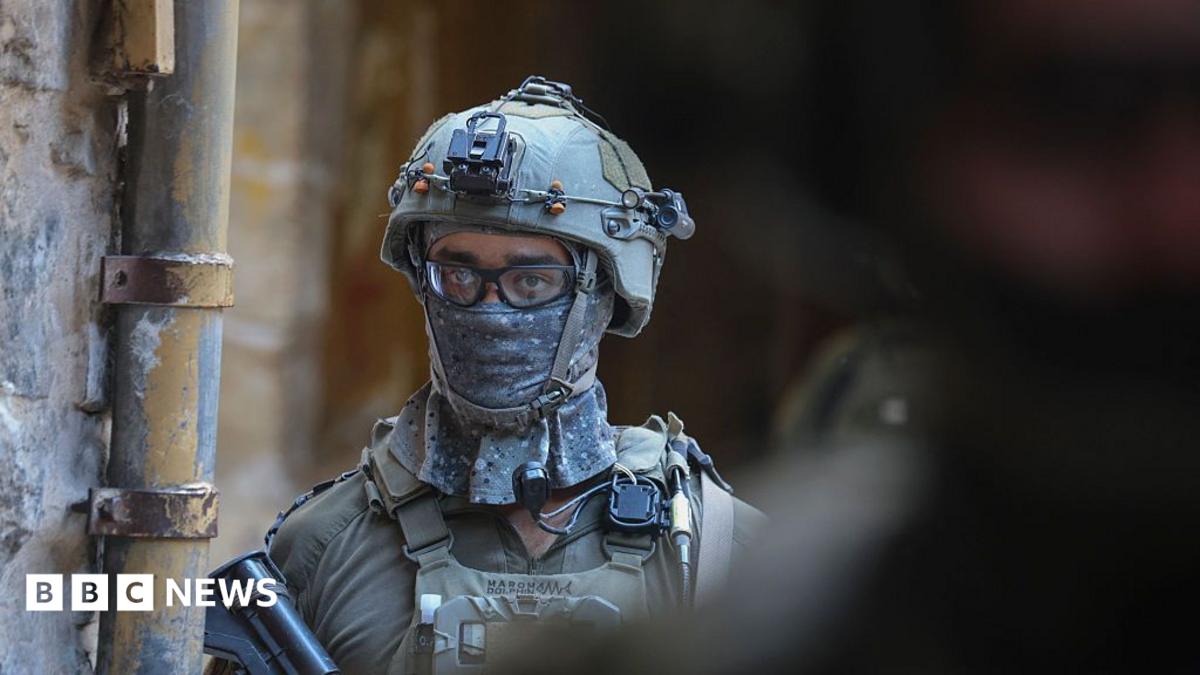
Geopolitical & Core Developments During a high-level diplomatic engagement on the sidelines of an international conference, Chinese Foreign Minister Wang Yi delivered a direct call to Israeli President Isaac Herzog, urging Israel to cease the forced establishment of settlements in the [West Bank](/news/china-demands-halt-israeli-west-bank-settlements-escalating-tensions). The encounter marks a significant diplomatic posture by Beijing, which has sought to elevate its profile as a mediating power in [Middle Eastern](/news/cii-flags-security-risks-middle-east-maritime-disruptions) security affairs. Wang emphasized that prolonged settlement activities undermine the viability of a sovereign Palestinian state and run counter to established international resolutions.
Beijing's diplomatic messaging underscores an insistence on an immediate, durable ceasefire in Gaza and an unconditional return to the two-state solution framework. President Herzog, representing an Israeli administration managing active multi-front military operations, reaffirmed Israel's security imperatives and the priority of hostage recovery. Nevertheless, China's pointed critique reflects its alignment with broader Global South sentiment, reinforcing its role as a strategic counterweight to traditional Western diplomacy led by Washington.
[Global Trade](/news/us-midterm-voter-discontent-signals-global-trade-shifts) & Economic Ripples The persistent frictions surrounding the Israeli-Palestinian conflict continue to generate profound consequences for global supply chains and commercial maritime traffic. Commercial vessels navigating the Bab el-Mandeb Strait and the Red Sea corridor face ongoing threats from regional proxy forces, compelling international shipping lines to divert tonnage around Africa's Cape of Good Hope. These diversions have elevated container freight benchmarks, extended transit times by upwards of two weeks, and added significant fuel burn surcharges across Asia-Europe trade lanes.
Energy markets remain exceptionally sensitive to diplomatic ruptures in the Levant. While immediate crude supplies have not faced direct physical curtailment, the risk premium baked into Brent and West Texas Intermediate contracts reflects persistent anxiety over a potential regional conflagration. Insurance underwriters have maintained elevated war-risk premiums for Eastern Mediterranean and Red Sea commercial transit. Additionally, fertilizer supply chains, specifically potash and related agricultural chemical flows originating in the region, face logistical bottlenecks that threaten downstream food production costs in developing economies.
Related Intelligence: China Demands Halt to Israeli West Bank Settlements Amid Escalating Tensions
International Reactions & Diplomatic Stances Multilateral bodies and regional coalitions have weighed in heavily on the exchange. The United Nations Secretariat reiterated its longstanding position that Israeli settlements in occupied territories constitute a violation of international humanitarian law and remain an obstacle to regional peace. Representatives of the Arab League welcomed China's unambiguous diplomatic stance, praising Beijing for maintaining pressure on core territorial questions.
Conversely, Western diplomatic capitals, while expressing parallel concerns over settlement expansion, remain skeptical of Beijing's broader strategic motives. European Union foreign policy officials acknowledged the imperative to address settlement growth but called for balanced international engagement that addresses both regional security architectures and civilian protections. Market analysts observe that China's targeted diplomacy serves to consolidate its energy partnerships with Gulf Cooperation Council states, positioning Beijing as a reliable diplomatic partner for Arab economies seeking diverse international alliances.
Strategic Outlook & Future Scenarios The trajectory of China's intervention indicates a long-term strategy to expand its diplomatic footprint across the Middle East, moving beyond its historical role as a primary consumer of hydrocarbon exports. Future scenarios hinge on whether Beijing attempts to convene multilateral peace negotiations or continues leveraging bilateral encounters to contrast its approach with Western mediation efforts.
Should settlement expansion proceed unchecked, diplomatic friction between Israel and non-Western powers will intensify, raising the probability of punitive resolutions in multilateral forums and expanded consumer boycotts. In the economic realm, commercial freight rates are likely to remain elevated through the coming quarters until navigational security throughout the Red Sea is reliably restored. Market participants must prepare for ongoing volatility across energy, shipping, and agricultural commodity complexes as geopolitical realignments reshape traditional diplomatic corridors.
Join Our Official WhatsApp Channel
Receive live commodity alerts, policy changes, and commercial intelligence directly on WhatsApp.