
Tightening Brazilian Presidential Race Shifts Global Commodity and Trade Calculations
Recent polling indicates a tightened run-off contest between Jair Bolsonaro and Luiz Inacio Lula da Silva, amplifying volatility across South American commodity corridors and bilateral trade negotiations.
Geopolitical & Core Developments
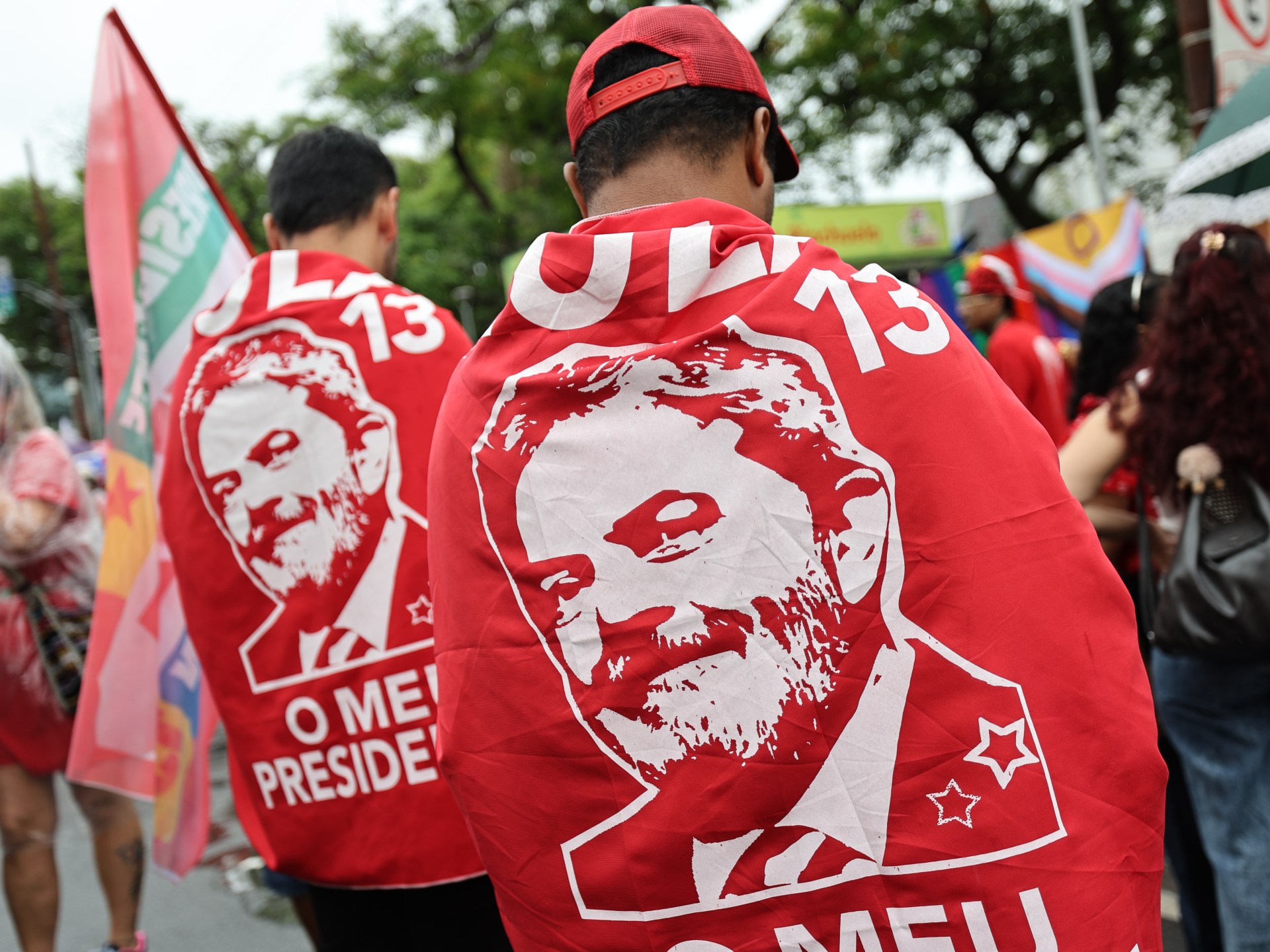
The trajectory of Latin America's largest economy hangs in the balance as recent polling reveals an exceptionally tight contest between incumbent right-wing President Jair Bolsonaro and former leftist President Luiz Inácio Lula da Silva. Despite preliminary projections that initially favored a decisive resurgence for Lula, a barrage of recent voter surveys suggests a resilient conservative base, positioning the race within statistical margins of error. Political analysts characterize the contest as a defining junction for the southern hemisphere, involving fundamental ideological clashes over economic liberalization, natural resource governance, and institutional sovereignty. The campaign has mobilized intense domestic polarization, drawing historic voter participation while accentuating deep regional cleavages between the industrialized south and the historically disadvantaged northeast. The narrowing delta between the candidates has transformed what was once anticipated as a predictable transfer of power into an volatile electoral scenario, carrying far-reaching strategic stakes for governance across the broader Mercosur bloc.
Global Trade & Economic Ripples
Brazil occupies a systemic position within international trade architectures, serving as the preeminent global exporter of soybeans, coffee, sugar, and beef, alongside substantial contributions to global crude oil and iron ore shipments. Financial markets and international procurement syndicates are monitoring the electoral developments closely, given the distinct economic frameworks advanced by the opposing camps. A continuation of Bolsonaro's mandate implies an uninterrupted emphasis on deregulated agribusiness expansion, robust logistical privatizations, and aggressive domestic oil extraction via state-backed Petrobras. Conversely, a potential Lula administration signals elevated state oversight, revised tax frameworks targeting capital gains, and targeted social expenditures supported by state-owned enterprise dividends. This political uncertainty introduces heightened friction to agricultural pricing and ocean freight markets, as international buyers assess potential policy shifts that could alter export licensing, fertilizer import logistics, and foreign direct investment in domestic transport corridors.
International Reactions & Diplomatic Stances
Multilateral bodies and major geopolitical capitals are actively weighing the implications of the Brazilian contest. In Brussels, policymakers note that the long-delayed ratification of the European Union-Mercosur trade pact remains heavily tethered to the outcome. European leaders have consistently tied trade concessions to verifiable environmental stewardship and the enforcement of Amazon preservation protocols, domains where the Bolsonaro administration has faced persistent diplomatic friction. Conversely, agricultural trade associations across North America and Asia, specifically Chinese industrial import cartels that depend heavily on Brazilian soy imports, are prioritizing supply chain reliability over political alignments. Market analysts across Wall Street and Latin American investment hubs have observed elevated currency hedging behavior surrounding the Brazilian real, indicating that international capital remains defensive in the face of polarized institutional narratives and elevated fiscal scrutiny.
Strategic Outlook & Future Scenarios
The final phase of the campaign is anticipated to intensify volatility across Latin American equity indices and foreign exchange platforms. Should Bolsonaro consolidate his momentum to secure reelection, international markets expect rapid acceleration of asset sales and expanded agribusiness leverage, though this scenario would likely sustain diplomatic impasses with Western European nations focused on environmental sustainability metrics. A victory by Lula would trigger an immediate reassessment of sovereign environmental commitments, likely expediting the ratification process of international trade treaties, albeit accompanied by domestic tensions regarding public expenditure ceilings and state interventionism. Over the coming weeks, sovereign credit rating agencies and global commodity trading houses will remain acutely attuned to post-election transition declarations, where institutional stability and regulatory clarity will dictate the flow of international capital into South America.
Join Our Official WhatsApp Channel
Receive live commodity alerts, policy changes, and commercial intelligence directly on WhatsApp.