
CII Flags Security Risks and Middle East Maritime Disruptions
The Council of Islamic Ideology has expressed deep concern over worsening domestic law and order and escalating Middle East maritime blockades, warning of severe fallout for Pakistan's trade corridors and macroeconomic stability.
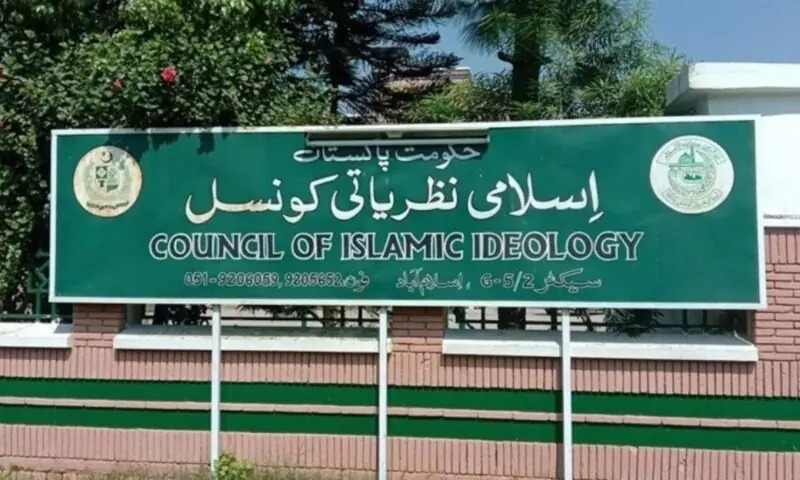
The Core Development
The Council of Islamic Ideology (CII) convened a pivotal consultative session in Islamabad on Thursday, sounding alarm bells over Pakistan's deteriorating domestic law-and-order landscape and intensifying military friction across the Middle East. Presided over by CII Chairman Dr. Muhammad Raghib Hussain Naeemi, the session gathered senior constitutional and religious scholars to review pressing legal, security, and national policy matters, including the regulatory framework surrounding broadcast licenses for religious television channels.
Beyond domestic judicial and governance matters, the constitutional body dedicated substantial deliberation to the external geopolitical shocks threatening state stability. Foremost among these concerns was the escalating maritime crisis in critical international waterways. The Council expressed acute apprehension regarding the security of commercial shipping lanes, specifically focusing on the operational bottlenecks around the Strait of Hormuz following heightened confrontations involving the United States and Iran. In an implicit critique directed at regional non-state belligerents, members also scrutinized Houthi maritime interventions targeting transit corridors in the Bab al-Mandeb Strait and the wider Red Sea corridor, warning that unmitigated confrontation directly imperils global energy flows and international trade integrity.
Commercial & Economic Implications
While the CII operates primarily as a constitutional advisory organ on religious and legislative matters, its direct intervention regarding maritime chokepoints underscores the extreme vulnerability of Pakistan's commercial apparatus. The Strait of Hormuz serves as the arterial conduit for over eighty percent of Pakistan's crude oil, liquefied natural gas (LNG), and petroleum imports. Any sustained operational paralysis or military escalation within this maritime passage threatens to derail national fuel supply chains, precipitating critical deficits across thermal power generation, industrial processing, and freight transport.
Simultaneously, recurring volatility around the Bab al-Mandeb chokepoint forces international container liners to execute costly diversions around the Cape of Good Hope. For Pakistani importers and wholesale distributors, this route alteration inflates ocean freight tariffs by an estimated twenty to thirty-five percent and adds up to fourteen days to transit timelines for European and North American consignments. The resultant landed-cost inflation will filter down rapidly to wholesale commodity distribution and retail consumer shelves, exerting fresh upward pressure on domestic headline inflation figures, widening the current account deficit, and further weakening foreign exchange reserves.
Related Intelligence: Severe Weather Paralyzes Gilgit-Baltistan Transit Corridors, Claiming Two Lives
Stakeholder Perspectives & Market Reactions
Market participants and corporate freight forwarders across Karachi and Lahore have largely echoed the advisory body's strategic anxieties. Logistics executives note that marine war-risk insurance premiums have surged sharply for vessels calling on regional hubs, forcing local merchant aggregators to absorb escalating bunker adjustment charges. Retail business alliances and wholesale import syndicates caution that persistent delays in raw material procurement will constrain domestic industrial output, particularly across textiles, chemical manufacturing, and heavy engineering.
Simultaneously, national security analysts and constitutional observers viewed the CII's pronouncements as an unusual but significant convergence between state-aligned advisory institutions and economic realities. Observers emphasize that domestic counter-terrorism efforts cannot be separated from broader economic resilience, as heightened internal instability alongside external supply disruptions risks compounding public discontent and sovereign fiscal strain.
Forward Outlook & Key Watchpoints
In the immediate term, market participants will closely monitor policy responses from the Ministry of Energy and the Ministry of Maritime Affairs regarding contingency fuel storage reserves and alternative logistics protocols. Should operational frictions in the Persian Gulf intensify, commercial watchpoints will center on state-level negotiations for bilateral energy off-take agreements, cargo rerouting schedules, and foreign exchange allocations for essential imports.
Domestically, federal law enforcement authorities are expected to accelerate targeted counter-insurgency and counter-narcotics sweeps across volatile provincial corridors to stabilize internal transit lines. The convergence of domestic security operations with volatile international shipping corridors highlights an urgent operational truth for Pakistan: maintaining structural supply-chain integrity demands robust domestic peace coupled with vigilant diplomatic engagement across vital regional maritime chokepoints.
Join Our Official WhatsApp Channel
Receive live commodity alerts, policy changes, and commercial intelligence directly on WhatsApp.