
Institutional Drift and Regulatory Overreach Challenge Governance and Commerce in Pakistan
Pakistan faces worsening economic friction as critical state institutions deviate from constitutional mandates, eroding investor confidence, complicating business operations, and distorting market fundamentals.
The Core Development
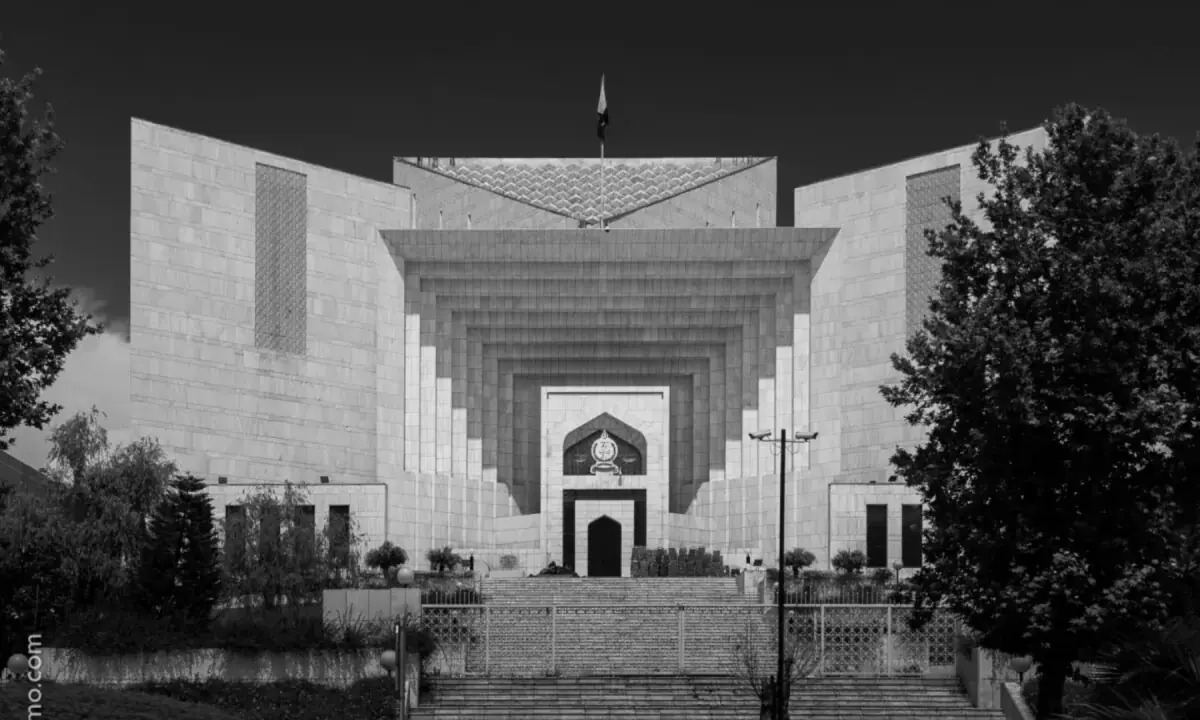
A critical structural crisis has emerged across Pakistan's administrative, regulatory, and judicial institutions as state organs increasingly drift from their foundational mandates. Originally structured to protect constitutional rights, maintain public order, and foster an equitable socioeconomic environment, major institutions have gradually prioritized procedural self-preservation and political maneuvering over their core service obligations. From high-level judicial forums and bureaucratic apparatuses to federal regulatory authorities, the divergence between institutional mandates and public welfare has widened significantly.
Over the past several fiscal quarters, this institutional erosion has translated into erratic regulatory directives, protracted legal stalemates over straightforward corporate policies, and administrative inertia. While the executive and judiciary engage in protracted constitutional disputes, the foundational duties of governance—such as safeguarding fundamental rights, curbing monopolistic market distortions, and ensuring efficient public service delivery—have taken a secondary role. This structural vacuum leaves the real economy exposed to unchecked rent-seeking behavior, policy unpredictability, and compounding administrative bottlenecks.
Commercial & Economic Implications
The direct cost of institutional drift is felt acutely within Pakistan's commercial hubs, including major trading markets across Karachi, Lahore, and Faisalabad. Commercial contracts and commercial dispute adjudication depend fundamentally on an impartial, efficient legal and administrative framework. As institutional priorities blur, commercial dispute resolution has slowed, locking billions of rupees in stuck capital and contested assets.
For retail trade and wholesale distribution networks, institutional unpredictability manifests in arbitrary enforcement actions by provincial revenue bodies, municipal administrations, and market regulators. Conflicting directives between federal tax authorities and provincial departments have elevated compliance overheads for formal sector traders, directly disincentivizing formalization. Furthermore, supply chain bottlenecks frequently emerge when border customs, port authorities, and statutory testing agencies operate without integrated, accountability-driven mandates. These frictions elevate freight clearance times, increase warehousing expenses, and inevitably drive up consumer inflation as merchants pass heightened operational premiums onto the end-consumer.
Related Intelligence: Karachi Street Crime Surge Dampens Consumer Footfall and Retail Activity
Stakeholder Perspectives & Market Reactions
Trade bodies and corporate leadership have expressed deepening concern regarding this institutional drift. Representatives from the Federation of Pakistan Chambers of Commerce and Industry (FPCCI) and various regional wholesale associations report that administrative ambiguity has effectively stalled major private investment in logistics, processing, and long-term infrastructure. Corporate legal counsels note that judicial intervention in commercial contracts and pricing mechanisms often bypasses standard statutory review, creating high levels of sovereign risk and deterring foreign direct investment.
Conversely, regulatory administrators maintain that heightened oversight is necessary to stabilize revenue collection and curb market speculation amidst stringent macroeconomic conditions. However, independent economic analysts argue that when institutions lose sight of who they serve, regulation transforms from a tool of market facilitation into an extractive mechanism. Civil society advocates and legal commentators emphasize that restoring constitutional checks and balances is essential to realign public institutions with their intended civic and developmental functions.
Forward Outlook & Key Watchpoints
The trajectory of Pakistan's economic recovery hinges heavily on structural governance reforms and institutional accountability. Key watchpoints over the coming quarters include whether parliamentary bodies initiate comprehensive civil service and regulatory overhauls aimed at defining jurisdictional boundaries. Observers are also monitoring developments within commercial tribunals and specialized commercial benches designed to accelerate corporate litigation outside conventional administrative channels.
Without decisive structural course correction, institutional dysfunction will continue to depress capital formation and weaken the domestic distribution ecosystem. Rebuilding market confidence requires establishing predictable regulatory environments, eliminating overlapping bureaucratic jurisdictions, and ensuring that public institutions operate strictly within their constitutional and statutory charters.
Join Our Official WhatsApp Channel
Receive live commodity alerts, policy changes, and commercial intelligence directly on WhatsApp.