
China Demands Halt to Israeli West Bank Settlements Amid Escalating Tensions
China has strongly urged Israel to cease settlement expansion in the occupied West Bank, labeling the unresolved Palestinian conflict the greatest historical injustice of the century.
Geopolitical & Core Developments
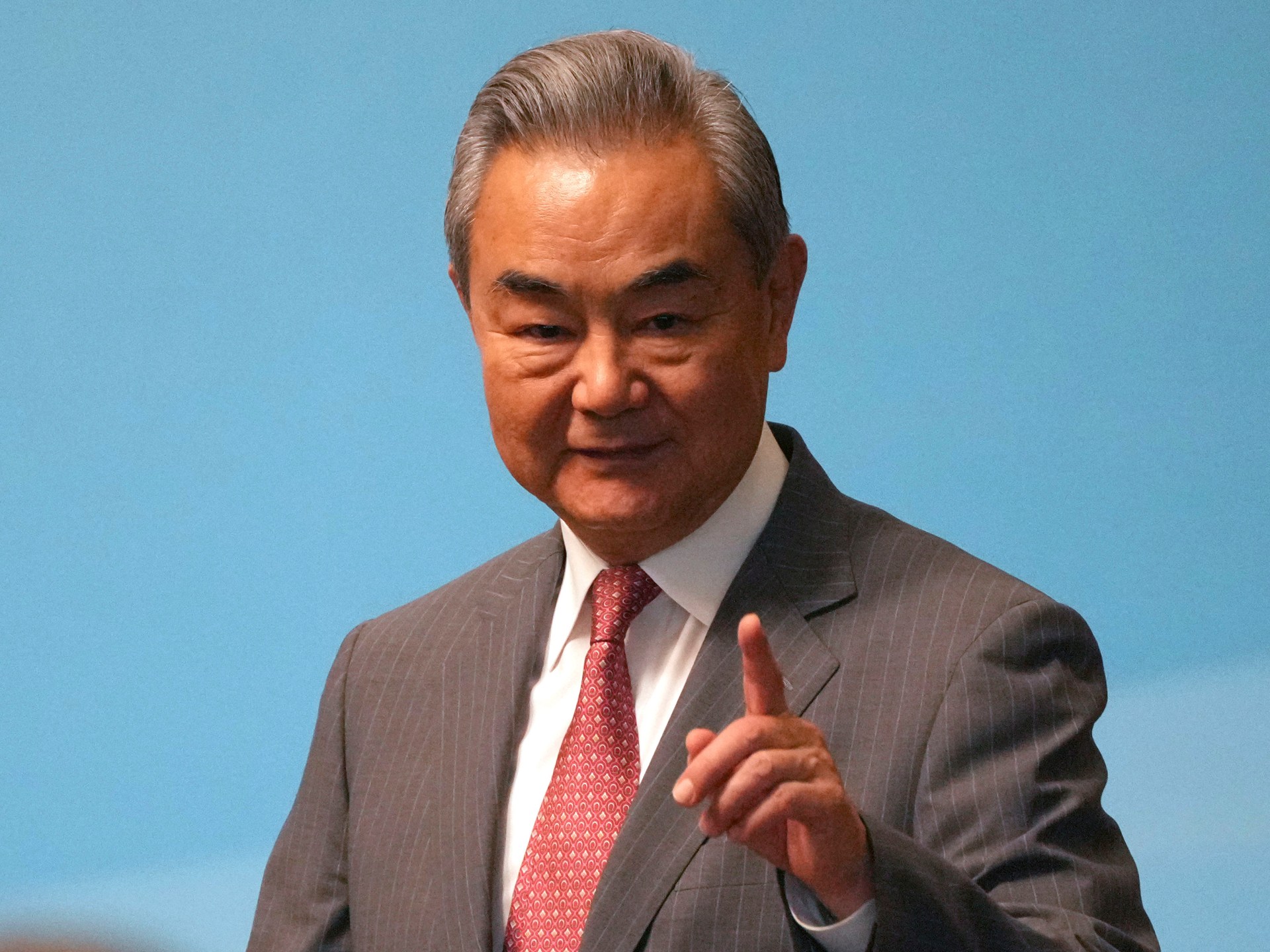
China has intensified its diplomatic rhetoric regarding the ongoing conflict in the Middle East, demanding that Israel immediately halt the forced establishment of settlements across the occupied West Bank. In a major foreign policy address, Chinese Foreign Minister Wang Yi described the unresolved Palestinian question as the greatest historical injustice of this century, reiterating Beijing's steadfast backing for an independent Palestinian state predicated on the 1967 borders with East Jerusalem as its capital.
This heightened posture from Beijing underscores China's broader ambition to consolidate its presence as an influential diplomatic arbiter across the Global South and the wider Middle East. Following its historic role in brokering the diplomatic thaw between Saudi Arabia and Iran in early 2023, China has sought to position its foreign policy as an alternative to traditional Western frameworks. Officials in Beijing argue that durable peace in the Levant cannot be achieved without addressing systemic land annexations, settlement legitimations, and the political displacement of Palestinian communities. By directly confronting Israeli policy, China seeks to deepen bilateral ties with Arab and Muslim-majority nations while asserting its credentials as a responsible permanent member of the United Nations Security Council.
Global Trade & Economic Ripples
The deepening friction across the Levant and the broader Middle East continues to cast a long shadow over global commodity pricing, commercial shipping, and trade connectivity. While direct commercial exchange between the West Bank and global markets remains limited, the political spillovers threaten stability across critical transit chokepoints, particularly the Red Sea and the Bab el-Mandeb Strait. Prolonged geopolitical friction keeps war-risk premiums elevated for international maritime carriers, forcing freight operators to maintain extended rerouting strategies around Africa's Cape of Good Hope.
These logistical bottlenecks carry direct cost implications for energy markets, industrial commodities, and consumer goods moving between Asia, the Gulf, and European discharge hubs. Heightened geopolitical instability also reinforces volatility in crude oil and liquefied natural gas benchmarks, as institutional traders factor in potential disruption risks across primary export channels. Moreover, China's aggressive diplomatic maneuvers serve to secure its strategic commercial partnerships across Gulf hydrocarbon producers, protecting long-term bilateral trade corridors denominated increasingly in non-dollar currencies.
Related Intelligence: CII Flags Security Risks and Middle East Maritime Disruptions
International Reactions & Diplomatic Stances
Beijing's unequivocal condemnation drew widespread interest across multilateral forums, contrasting sharply with the calibrated positions of Western capitals. At the United Nations, representatives from the Arab League and the Organisation of Islamic Cooperation welcomed China's firm stance, emphasizing that accelerating settlement activity violates international law, including United Nations Security Council Resolution 2334.
Conversely, Israeli diplomatic officials have consistently rejected foreign characterizations of their administrative policies in Judea and Samaria, asserting historical claims and pressing domestic security prerogatives. In Washington, foreign policy officials reiterated support for a negotiated two-state outcome while expressing skepticism regarding Beijing's true intentions, viewing China's pronouncements as an attempt to undermine Western alliances and curry favor across the developing world. European Union diplomats reasserted their longstanding policy that Israeli settlements are illegal under international law and represent a severe impediment to a viable two-state framework.
Strategic Outlook & Future Scenarios
The trajectory of the dispute suggests intensifying diplomatic polarization within the United Nations General Assembly and Security Council. China is expected to advance draft resolutions demanding the enforcement of international legal standards regarding land seizures, putting direct pressure on the United States to exercise its veto power or risk further diplomatic isolation among non-aligned states.
In the coming quarters, regional stability will hinge on whether diplomatic overtures can curb further unilateral infrastructure expansion in the West Bank. Should settlement activities accelerate alongside persistent military operations, the likelihood of broader asymmetric escalation across regional proxy networks will remain acute. For global supply chains and commodity markets, the structural premium on trade lanes traversing the Middle East will remain entrenched, driving sustained investment into supply chain diversification and alternative land-sea logistics networks.
Join Our Official WhatsApp Channel
Receive live commodity alerts, policy changes, and commercial intelligence directly on WhatsApp.