
West Bank Healthcare Collapses as Israel Withholds Critical Palestinian Tax Revenues
Israel's systematic withholding of clearance revenues has brought the West Bank healthcare system to near-collapse, deepening Palestinian fiscal distress and compounding Middle East geopolitical volatility.
Geopolitical & Core Developments
The fiscal crisis gripping the Palestinian Authority has reached a critical tipping point following the expanded withholding of clearance tax revenues by the Israeli Ministry of Finance. Under the economic protocols governing the territories, Israel collects customs duties, value-added taxes, and import tariffs on behalf of the Palestinian Authority, remitting them monthly. Over recent months, unilateral deductions and sustained delays have deprived Ramallah of more than sixty percent of its budgetary revenues, bringing the administrative entity to the brink of sovereign default.
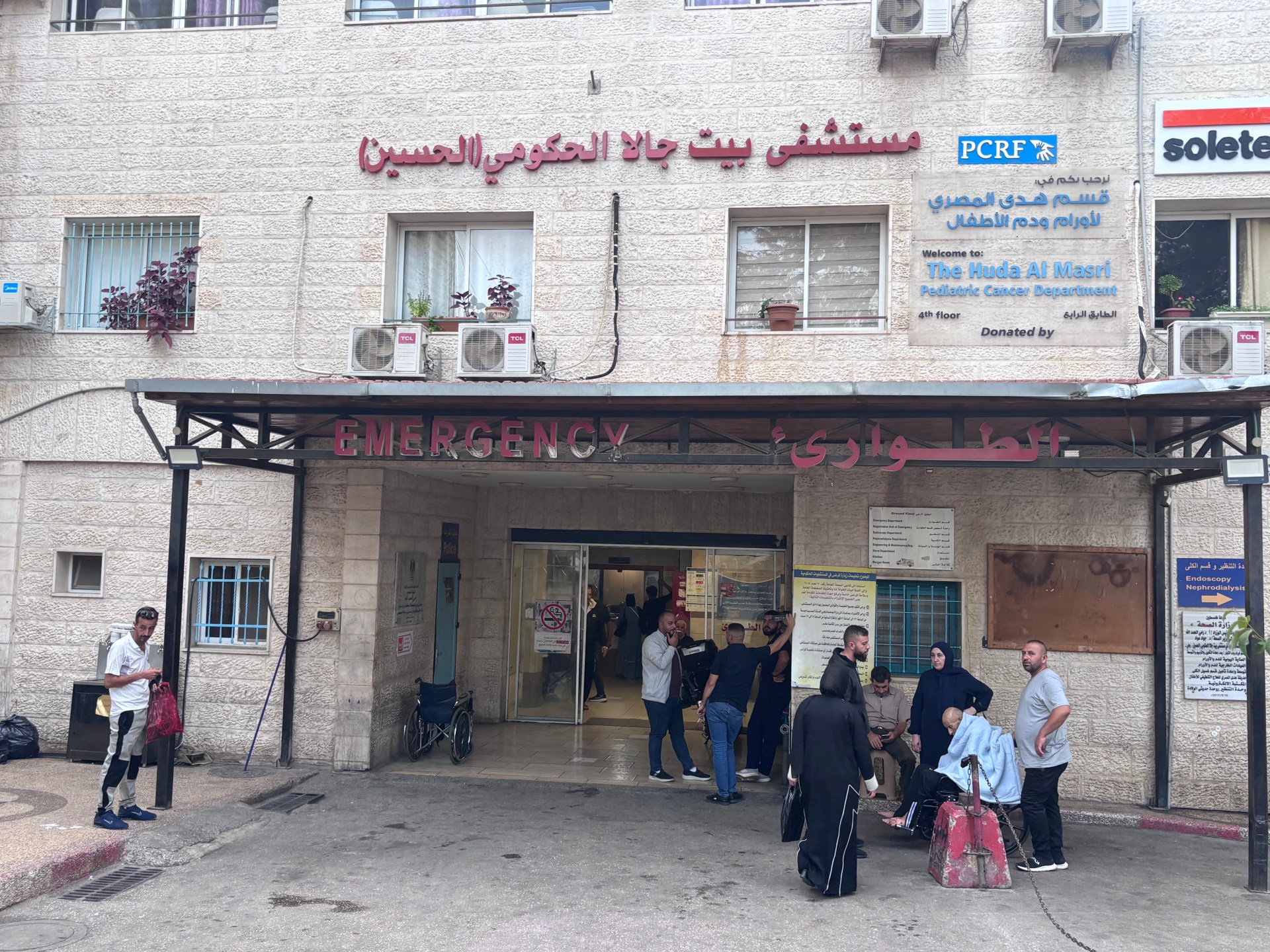
The most severe fallout is concentrated across the West Bank healthcare infrastructure. Major referral hospitals, including Al-Makassed in East Jerusalem and tertiary institutions in Ramallah, Nablus, and Hebron, report acute deficits in operating capital. Public hospital personnel have received fragmented salaries for over a year, prompting workforce attrition and rolling strikes. Concurrently, pharmaceutical distributors have suspended credit lines due to hundreds of millions of dollars in accumulated state debt. Critical treatment sectors, notably pediatric oncology, hemodialysis, and emergency cardiac surgery, are operating under severe rationing protocols, leaving thousands of chronic patients without essential care.
Global Trade & Economic Ripples
While direct trade volume in the occupied territories represents a minor component of global gross domestic product, the financial freeze generates measurable distortions across regional supply chains. Levant-oriented pharmaceutical manufacturers, primarily based in Jordan and Turkey, face substantial payment defaults on state procurement contracts, increasing counterparty credit risks across the Eastern Mediterranean medical trade corridor.
Furthermore, the economic implosion of the West Bank exacerbates broader regional risk premiums. The threat of civil administration collapse amplifies sovereign debt yields for neighboring Jordan and Egypt, both of which are navigating fragile external balances. Major global shipping lines and regional logistics operators continue to price Levant cargo at elevated war-risk rates, factoring in the systemic instability across Israeli-controlled borders and checkpoints. Inability to clear trade invoices through Palestinian monetary authorities also threatens correspondent banking relationships, tightening commercial liquidity across the regional perimeter.
Related Intelligence: Middle East War Spikes Fuel Costs, Triggering Philippine Solar Expansion
International Reactions & Diplomatic Stances
The international community has expressed growing alarm over the weaponization of fiscal mechanisms. The United Nations Special Coordinator for the Middle East Peace Process has repeatedly cautioned that the complete financial incapacitation of the Palestinian Authority threatens the fragile administrative framework established under international treaties. European Union diplomats have urged Israeli authorities to release withheld clearance funds immediately, noting that the suspension violates bilateral economic accords and destabilizes essential public institutions.
The United States Department of State and the Department of the Treasury have similarly warned that sovereign fiscal insolvency in the West Bank directly undermines regional security architecture. Multilateral lenders, including the World Bank and the International Monetary Fund, have issued technical assessments documenting an unprecedented contraction in Palestinian gross domestic product, warning that private credit mechanisms and donor trust funds can no longer bridge the operational deficit.
Strategic Outlook & Future Scenarios
The immediate trajectory depends on whether international diplomatic pressure can compel a restoration of revenue clearing mechanisms. If Israel maintains the revenue freeze under prevailing political calculations, the Palestinian Authority will face total structural paralysis, likely terminating secondary healthcare services and forcing international non-governmental organizations to assume emergency medical governance.
Alternatively, European and regional donors may establish extraordinary escrow funds to bypass bilateral logjams and finance medical procurement directly. However, without sustained institutional cash flow, sovereign default, widening social unrest, and security degradation remain high-probability outcomes. The progressive degradation of civic infrastructure in the West Bank threatens to dismantle remaining administrative structures, presenting international markets with an expanded theater of regional instability.
Join Our Official WhatsApp Channel
Receive live commodity alerts, policy changes, and commercial intelligence directly on WhatsApp.