
Bangladesh Measles Crisis Signals Regional Supply Chain and Health Risks
A devastating measles outbreak in Bangladesh has claimed over 1,100 lives, exposing severe immunization deficits and raising urgent economic and public health concerns across South Asian regional supply chains.
The Core Development
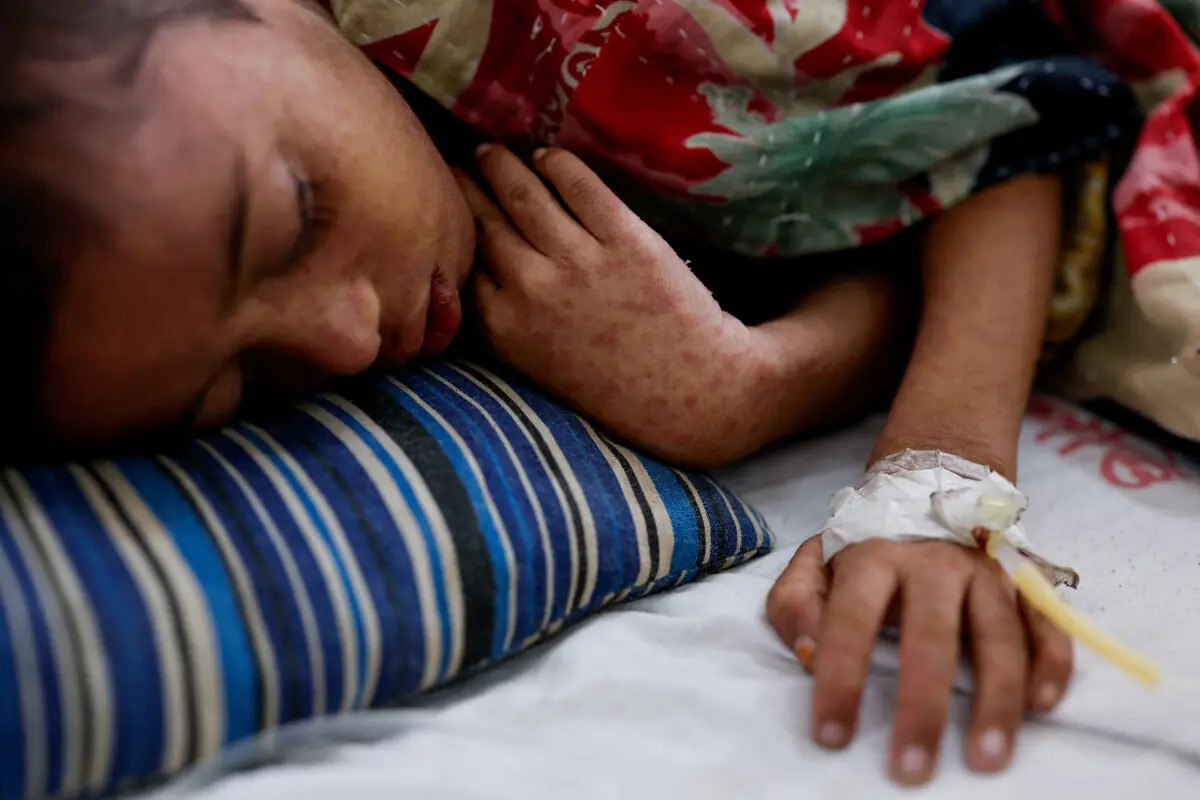
Bangladesh is currently confronting the world's most severe measles epidemic of the year, driven by systemic breakdowns in routine pediatric immunization and surveillance frameworks. According to official data compiled by the World Health Organisation (WHO), the South Asian nation documented approximately 202,000 suspected measles cases between mid-March and October 9. Of these, more than 22,000 cases have received definitive laboratory confirmation, marking the highest volume of suspected cases reported by any country globally over the same period.
The human cost of the public health emergency has been catastrophic. The outbreak has claimed at least 1,147 lives, with health monitors indicating that an overwhelming 94 percent of fatalities occurred among children under five years of age. Epidemiologists point to a compound breakdown in national healthcare delivery: routine immunization coverage rates experienced a marked decline throughout 2025, hamstrung by inadequate outreach in marginalized rural districts, fragmented localized data capture, and critical logistics deficits in community-level vaccine procurement. The failure to maintain population-level herd immunity has transformed an easily preventable disease into an acute regional humanitarian crisis.
Commercial & Economic Implications
While the primary toll remains human and clinical, the macroeconomic and commercial ramifications of the outbreak extend across borders into neighboring economies, including Pakistan. In South Asia's interconnected trade ecosystem, prolonged health crises inevitably suppress labor productivity, escalate municipal and national healthcare expenditures, and disrupt consumer spending cycles. In Bangladesh, household expenditure is being forcibly diverted from discretionary retail and essential domestic goods toward emergency medical intervention, dampening baseline consumer demand.
For Pakistan's commercial landscape, the situation serves as an immediate operational warning. Cross-border pharmaceutical and wholesale distribution channels are confronting shifting procurement priorities. Disruptions in regional manufacturing centers, combined with intensified health screening protocols at regional maritime and air freight transit hubs, risk slowing wholesale inventory turnover. Furthermore, the diversion of state resources to reactive epidemic containment inevitably squeezes broader public infrastructure development, compounding inflationary pressures on foundational consumer healthcare commodities across regional supply chains.
Related Intelligence: Magnitude 5.9 Earthquake Jolts Khuzdar, Straining Balochistan Supply Chains
Stakeholder Perspectives & Market Reactions
Public health bodies, industrial syndicates, and trade councils across South Asia have voiced deep concern over the trajectory of the outbreak. International health administrators emphasize that Bangladesh's current trajectory represents an explicit warning signal for emerging economies wrestling with constrained fiscal margins and underfunded public health infrastructure.
Regional trade associations and logistics operators have begun reassessing personnel safety policies, with freight handlers urging national governments to bolster preventative vaccination coverage for transport workforces. Medical trade unions and pediatric societies in Pakistan have echoed these concerns, calling on provincial and federal authorities to insulate routine expanded immunization programs from municipal budget cuts. Industry representatives emphasize that unchecked health crises within primary South Asian manufacturing partner states directly undermine regional trade continuity and expose systemic vulnerabilities in municipal welfare distribution.
Forward Outlook & Key Watchpoints
Immediate priorities for containment depend on the rapid execution of mass catch-up immunization campaigns, structural replenishment of cold-chain medical supplies, and international aid deployment coordinated by the WHO and UNICEF. Stakeholders are closely observing whether targeted vaccine interventions can arrest transmission rates ahead of the seasonal winter peak.
Over the next two quarters, commercial market participants must monitor border transit health protocols, regional pharmaceutical import dependencies, and fiscal allocations dedicated to immunization surveillance. For Pakistan, maintaining rigorous domestic coverage benchmarks remains critical to avoiding parallel economic disruption and insulating domestic retail and wholesale markets from catastrophic public health shocks.
Join Our Official WhatsApp Channel
Receive live commodity alerts, policy changes, and commercial intelligence directly on WhatsApp.