
Middle East War Spikes Fuel Costs, Triggering Philippine Solar Expansion
Escalating conflict in the Middle East has driven up international fossil fuel import costs, pushing Philippine households and businesses toward a record surge in rooftop solar investments.
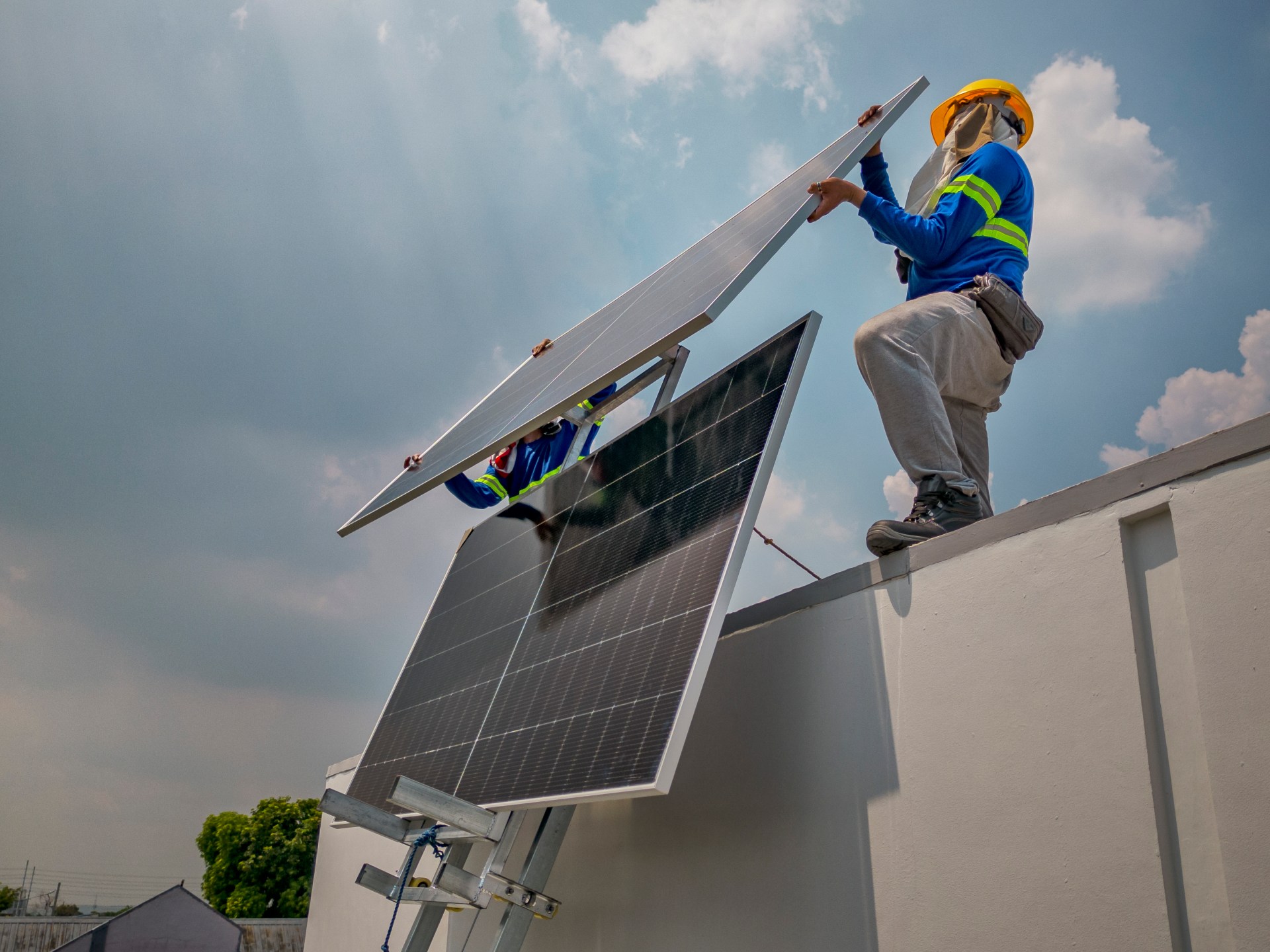
Geopolitical & Core Developments
The deepening geopolitical confrontation involving Iran and broader hostilities across the Middle East have once again placed global energy security under acute stress. As state actors exchange strikes and maritime choke points such as the Strait of Hormuz face persistent security threats, international benchmark crude and liquefied natural gas (LNG) contracts have recorded significant risk premiums. For vulnerable, energy-importing economies across the Indo-Pacific, these distant military maneuvers translate into an immediate macroeconomic shock.
In the Philippines, the transmission of these geopolitical frictions has been particularly sharp. Unlike regional neighbors that subsidize retail fuel and electricity, Manila operates a fully privatized, unsubsidized power sector. Consequently, swings in global coal, oil, and gas markets are directly transferred to retail end-users. With electricity rates in the archipelago already ranking among the steepest in Southeast Asia—often surpassing $0.20 per kilowatt-hour—the upward trajectory of international fuel prices triggered by the Middle East crisis has accelerated an unprecedented consumer pivot toward decentralized solar installations across Luzon, the Visayas, and Mindanao.
Global Trade & Economic Ripples
The ripple effects of the Persian Gulf tensions are reshaping bilateral trade flows and commodity pricing structures. The Philippine energy mix remains heavily reliant on imported coal, primarily sourced from Indonesia and Australia, alongside imported diesel and crude derivatives from Middle Eastern refiners. Higher ocean freight rates, insurance surcharges for commercial vessels transiting high-risk maritime zones, and elevated spot market prices for LNG have squeezed domestic distribution utilities.
This inflationary environment has fundamentally altered the economics of commercial and industrial operations in the Philippines. Manufacturing enterprises, logistics operators, and residential consumers face eroding margins directly tied to imported fuel volatility. In response, private capital is aggressively reallocating toward distributed photovoltaic (PV) systems. Supply chains for Tier-1 solar modules, predominantly fabricated in China and Southeast Asian hubs, are experiencing robust order backlogs from Philippine contractors seeking to insulate clients against volatile grid power.
Related Intelligence: Bangladesh Measles Crisis Signals Regional Supply Chain and Health Risks
International Reactions & Diplomatic Stances
Multilateral development banks and market watchdogs have closely monitored this transition. Analysts at the Asian Development Bank (ADB) and the International Energy Agency (IEA) have highlighted the Philippine scenario as a prime case study of market-driven energy transition compelled by geopolitical shocks rather than direct state subsidies. IEA briefings emphasize that developing nations without sovereign fossil reserves must expedite grid modernization to accommodate rapid behind-the-meter solar integration.
Diplomatically, the Philippine Department of Energy has reiterated its commitment to raising the renewable energy share in the national power mix to 35 percent by 2030 and 50 percent by 2040. Bilateral partners, including the United States and the European Union through its Global Gateway strategy, have expressed support for clean energy financing in Manila, recognizing that reducing reliance on volatile hydrocarbon corridors is a national security imperative as much as an environmental target.
Strategic Outlook & Future Scenarios
The forward outlook depends heavily on whether hostilities involving Iran broaden into sustained interdictions of Persian Gulf shipping lanes. A prolonged conflict threatens to keep global energy prices structurally elevated through upcoming fiscal quarters, accelerating grid defection across emerging markets.
For the Philippines, the immediate challenge will shift from solar adoption to grid management. Regulators face mounting pressure to streamline the net-metering framework and expand distributed energy resource integration before distribution transformers face technical constraints. In the medium term, sustained Middle Eastern volatility will likely spur accelerated policy incentives for commercial-scale battery energy storage systems (BESS), fundamentally decoupling the archipelago's power costs from the unpredictable geopolitics of global oil corridors.
Join Our Official WhatsApp Channel
Receive live commodity alerts, policy changes, and commercial intelligence directly on WhatsApp.