
North Korea Tests AI-Assisted Torpedo System Amid Escalating Regional Security Tensions
Pyongyang has announced the test-launch of an AI-guided precision torpedo system, escalating Pacific maritime risks and unsettling global supply chains reliant on stable Asian shipping lanes.
The Core Development
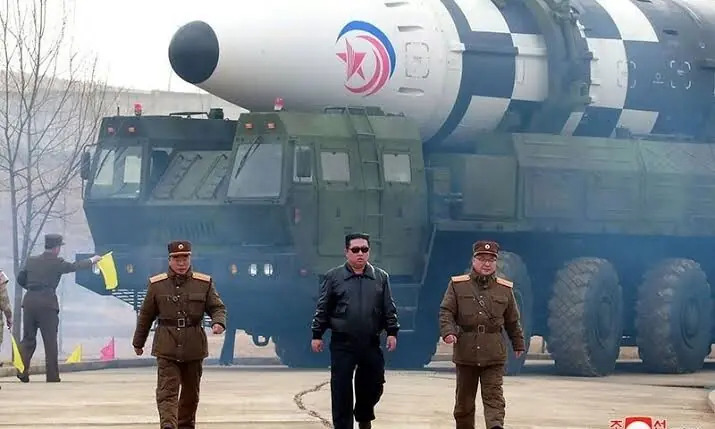
North Korea has officially confirmed the successful test-fire of an advanced, precision-guided torpedo system equipped with artificial intelligence capabilities, marking a significant evolution in its asymmetric naval warfare doctrine. State media reported that the underwater trials of the high-speed system, designated as the Zam-2.0, were conducted to verify target acquisition algorithms, autonomous homing efficiency, and deep-water propulsion metrics.
The announcement comes closely on the heels of Pyongyang launching two distinct submarine-launched cruise missiles (SLCMs), a strategic move executed after weeks of diplomatic friction with Seoul following high-profile border incidents. International defence analysts indicate that the accelerated technological leap in North Korea's underwater guidance systems may be linked to deepening bilateral cooperation with the Russian Federation. Reports suggest technology transfers and technical consultations have intensified in exchange for North Korean troop deployments and munitions support for Moscow's operational engagements in Ukraine.
Commercial & Economic Implications
While the weapon trial remains geographically centered in the East Sea, the commercial ramifications radiate across global shipping networks and directly touch emerging import-dependent economies, including Pakistan. Commercial trade routes passing through the Sea of Japan, the East China Sea, and adjacent Pacific waterways represent primary arteries for international container shipping, capital machinery, industrial electronics, and bulk raw materials.
For Pakistani traders and wholesale distributors, heightened military friction in East Asia raises war-risk maritime insurance premiums. Regional shipping liners operating routes between East Asian manufacturing hubs and Karachi ports (KPT and Port Qasim) may face elevated operational tariffs and rerouting contingencies. Any disruption to Pacific maritime logistics threatens to inflate landing costs for consumer electronics, automotive parts, and basic assembly components imported into Pakistan. These auxiliary shipping costs risk compounding existing domestic inflationary pressures, weakening supply chain predictability for mid-tier retailers and domestic industrial assemblers already navigating constrained foreign exchange liquidity.
Related Intelligence: Bangladesh Measles Crisis Signals Regional Supply Chain and Health Risks
Stakeholder Perspectives & Market Reactions
Regional maritime authorities and international defence establishments have condemned the tests as a breach of United Nations Security Council resolutions, pointing to the destabilizing integration of autonomous software into conventional and unconventional naval payloads. Legal and defence scholars argue that deployment of artificial intelligence in underwater combat vehicles reduces human intervention windows, significantly increasing the probability of miscalculation in contested international waters.
From a market standpoint, industrial shipping associations and logistics bodies across Asia have maintained heightened vigilance. Representatives from international freight forwarders note that commercial maritime insurance underwriters are currently reassessing territorial risk profiles in the northern Pacific. In Pakistan, import-export bodies such as the Federation of Pakistan Chambers of Commerce and Industry (FPCCI) have historically noted that geopolitical instability in core source markets inevitably triggers freight surcharges, directly impairing wholesale inventories and creating margin compression across domestic retail channels.
Forward Outlook & Key Watchpoints
The immediate trajectory will hinge on responses from the United States, South Korea, and Japan, with joint naval deterrence patrols and extended maritime surveillance expected to escalate over the coming quarters. Observers will closely monitor diplomatic deliberations at upcoming multilateral forums, where additional punitive maritime sanctions against illicit technology transfers may be proposed.
For Pakistani enterprise stakeholders and commercial buyers, critical watchpoints include maritime freight index adjustments, lead-time variances for industrial shipments sourced from East Asian suppliers, and fluctuating bunker fuel charges driven by geopolitical risk premiums. Market operators must structure resilient procurement frameworks to mitigate potential freight shocks stemming from continued militarization across critical Asian maritime corridors.
Join Our Official WhatsApp Channel
Receive live commodity alerts, policy changes, and commercial intelligence directly on WhatsApp.