
Nationwide Civil Unrest in France Disrupts Transport Networks and European Logistics
Widespread violent protests across France have disrupted domestic supply chains and transport networks, triggering economic concerns across European markets as authorities struggle to restore order.
Geopolitical & Core Developments
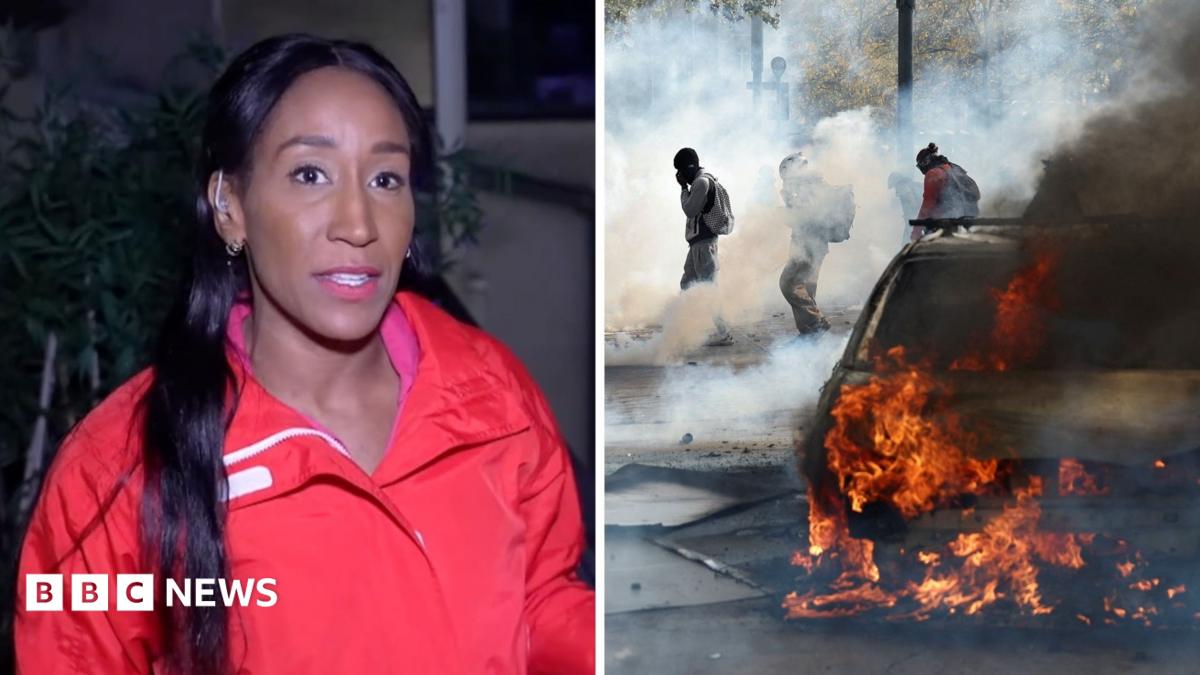
A day of intense demonstrations escalated into severe civil disorder across major French metropolitan centers, including Paris, Marseille, Nantes, and Lyon. What commenced as coordinated public rallies quickly deteriorated into widespread clashes between security forces and demonstrators. Municipal infrastructure, commercial storefronts, and private transport assets sustained significant destruction, marked by arson and vandalism.
The French Ministry of the Interior deployed tens of thousands of police and gendarmerie personnel to contain flashpoints. Security forces utilized tear gas, water cannons, and tactical cordons as demonstrators established makeshift barricades along crucial urban arteries. Strategic stakes are mounting rapidly for the Élysée Palace, as public dissent threatens domestic political cohesion and challenges executive governance. The domestic crisis has forced senior administration officials into emergency security meetings, raising the prospect of special administrative measures should containment protocols fail to de-escalate tensions across the republic.
Global Trade & Economic Ripples
The ripple effects of the domestic paralysis have extended into broader European commerce and regional supply chains. Freight corridors passing through central France encountered immediate bottlenecks due to road blockades and highway closures. The disruption to logistics routes has raised transit times for intra-European freight, affecting cargo moving between the Iberian Peninsula, Benelux hubs, and Central Europe.
Industrial sectors, notably automotive manufacturing and chemical processing, face localized delays in inventory turnover. Port operations at pivotal maritime facilities, including Le Havre and Marseille-Fos, saw preliminary labor and gate slowdowns, raising concerns regarding container clearance and bulk commodity offloading. Financial markets responded with caution; sovereign bond yield spreads between French OATs (Obligations Assimilables du Trésor) and German Bunds widened marginally. While the Euro retained structural stability against the US dollar, equities exposed to French retail, hospitality, and civil aviation experienced targeted selling pressure, reflecting heightened operating risks.
Related Intelligence: Premier League Surges Spark Global Sports Media Valuations and Retail Consumption
International Reactions & Diplomatic Stances
The international community has monitored the developments with acute vigilance. Several foreign ministries, including those of the United States, the United Kingdom, and regional European partners, issued updated travel advisories warning foreign nationals and logistics operators to exercise caution and avoid protest focal points in major French cities.
Multilateral bodies and human rights organizations issued calls for restraint, urging balance between civil assembly rights and the preservation of public safety. European market analysts observed that persistent domestic unrest could weaken Paris's economic growth projections for the upcoming quarter. Cross-border trade associations have voiced concerns over transit liabilities, demanding reinforced security protocols along critical trans-European transport networks to safeguard industrial haulage.
Strategic Outlook & Future Scenarios
The trajectory of the crisis hinges on the state's capacity to restore domestic stability while addressing underlying socioeconomic grievances. If localized unrest transforms into prolonged industrial action, particularly across petroleum refineries, rail networks, and port terminals, the economic impact could shift from transient logistical bottlenecks to structural supply chain constraints.
In the short term, emergency domestic summits will dictate the scope of the government's operational response. Should tensions persist, the executive branch may encounter difficulties advancing broader regulatory and fiscal initiatives. Regionally, prolonged instability risks dampening broader Eurozone business sentiment, testing the resilience of continental logistics networks already navigating global macroeconomic headwinds.
Join Our Official WhatsApp Channel
Receive live commodity alerts, policy changes, and commercial intelligence directly on WhatsApp.