
Saudi Air Defenses Intercept Drones as Egypt Weighs Regional Security Support
Saudi Arabia successfully neutralized multiple hostile drones targeting key urban and economic hubs as Egypt considers extending operational security assistance, elevating regional defense coordination amid persistent cross-border aerial threats.
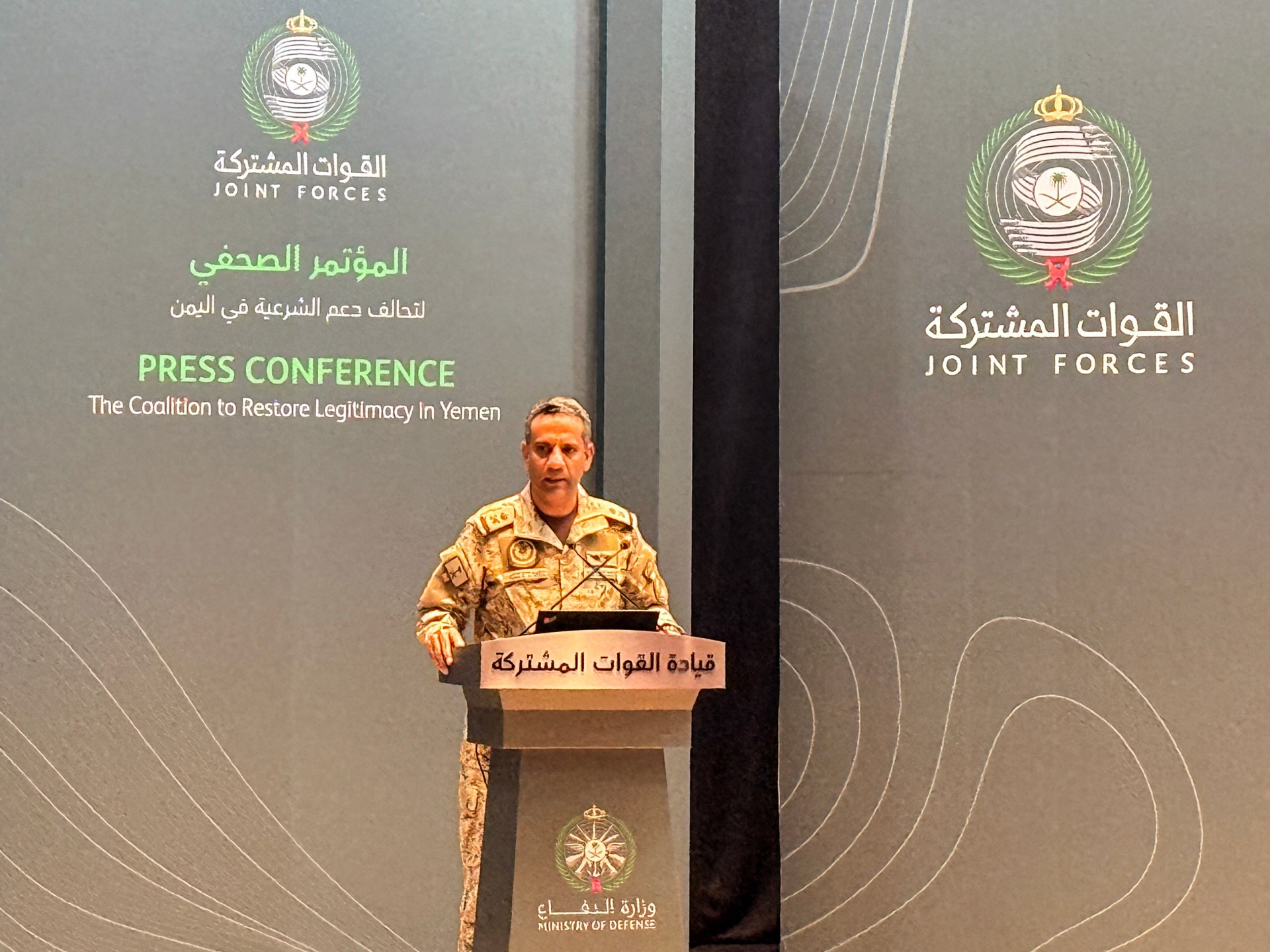
Geopolitical & Core Developments
Regional security tensions in the Middle East escalated sharply after the Saudi-led coalition intercepted and destroyed four hostile combat drones launched toward the Kingdom. The coordinated aerial incursions targeted geographically disparate zones, including the capital city of Riyadh, the energy-rich Eastern Province, and vulnerable areas across the southern border regions. Coalition air defense batteries, supported by advanced early warning radar systems, successfully neutralized the incoming ordnance before any critical infrastructure sustained direct impacts or personnel suffered reported casualties.
The widespread trajectory of the strikes underscores an evolving asymmetric capability aimed at saturating multi-layered air defense networks across the Arabian Peninsula. In response to the persistent threat matrix, diplomatic channels between Riyadh and Cairo have intensified. The Egyptian government is actively assessing options to deploy supplementary defense capabilities to support Saudi operational readiness. Discussions reportedly center on expanding naval security along critical Red Sea approaches and providing technical assistance for air interdiction frameworks, reflecting a deepening strategic alignment among Arab League powerhouses seeking to deter state and non-state regional adversaries.
Global Trade & Economic Ripples
The targeting of Saudi Arabia's Eastern Province—the epicenter of the Kingdom's extensive upstream hydrocarbon operations and export terminals—injected immediate volatility into international energy exchanges. Brent crude and West Texas Intermediate contracts registered acute risk-premium adjustments as traders factored in the vulnerability of vital processing plants and coastal loading points. While baseline physical supply remained uninterrupted, commercial shipping operators operating through the Bab el-Mandeb strait and the Persian Gulf face heightened underwriting scrutiny.
Marine war risk insurance premiums are projected to adjust upward across key maritime corridors, inflating transit costs for international bulk carriers, liquefied natural gas tankers, and container fleets servicing Asia-Europe corridors. Furthermore, extended regional friction threatens broader economic diversification agendas across the Gulf Cooperation Council, where stability is a prerequisite for attracting foreign direct investment into non-oil sectors. Persistent security expenditures continue to impose operational drag on sovereign balances, prompting broader recalibrations in state capital allocations.
Related Intelligence: US-Ukraine Geopolitical Rift Strains Energy Markets and Emerging Economy Supply Chains
International Reactions & Diplomatic Stances
The international community responded with unified condemnation of the attempted strikes against civilian populations and commercial centers. Western allies, including the United States and the United Kingdom, reaffirmed their institutional defense commitments to the territorial sovereignty of Saudi Arabia, highlighting ongoing bilateral intelligence-sharing protocols and missile interceptor replenishment programs. Diplomatic officials reiterated that unrestricted drone proliferation severely undermines multilateral mediation efforts spearheaded by the United Nations.
Multilateral bodies, including the Gulf Cooperation Council and the Arab League, issued formal communiques denouncing the cross-border attacks as dangerous provocations threatening the stability of international commerce. Cairo's deliberations to project defensive resources were framed by Egyptian officials as an organic extension of mutual defense understandings, affirming that the security of Gulf nations remains an indivisible pillar of wider Arab national security. Defense analysts noted that while air defenses performed admirably, the continuous deployment of high-cost interceptors against low-cost loitering munitions presents an asymmetric economic challenge over protracted timelines.
Strategic Outlook & Future Scenarios
The strategic trajectory points toward an accelerated institutionalization of integrated regional air and missile defense frameworks. Stakeholders anticipate closer trilateral and multilateral coordination involving Saudi Arabia, the United Arab Emirates, Egypt, and international partners to construct an interoperable radar and sensor canopy covering the Red Sea and Gulf approaches.
Should asymmetric incursions continue unabated, international focus will pivot toward diplomatic escalation, including stricter maritime interdiction operations to disrupt covert supply corridors supplying unmanned aerial components. Potential upcoming sessions of the United Nations Security Council may feature contested debates over enforcement mechanisms and existing arms embargoes. In the absence of an enduring diplomatic detente across regional fault lines, energy infrastructure and global supply chains will remain structurally exposed to recurring security shocks.
Join Our Official WhatsApp Channel
Receive live commodity alerts, policy changes, and commercial intelligence directly on WhatsApp.