
Satellite Imagery Exposes North Korean Elite Leisure Amid Strict Sanctions Regime
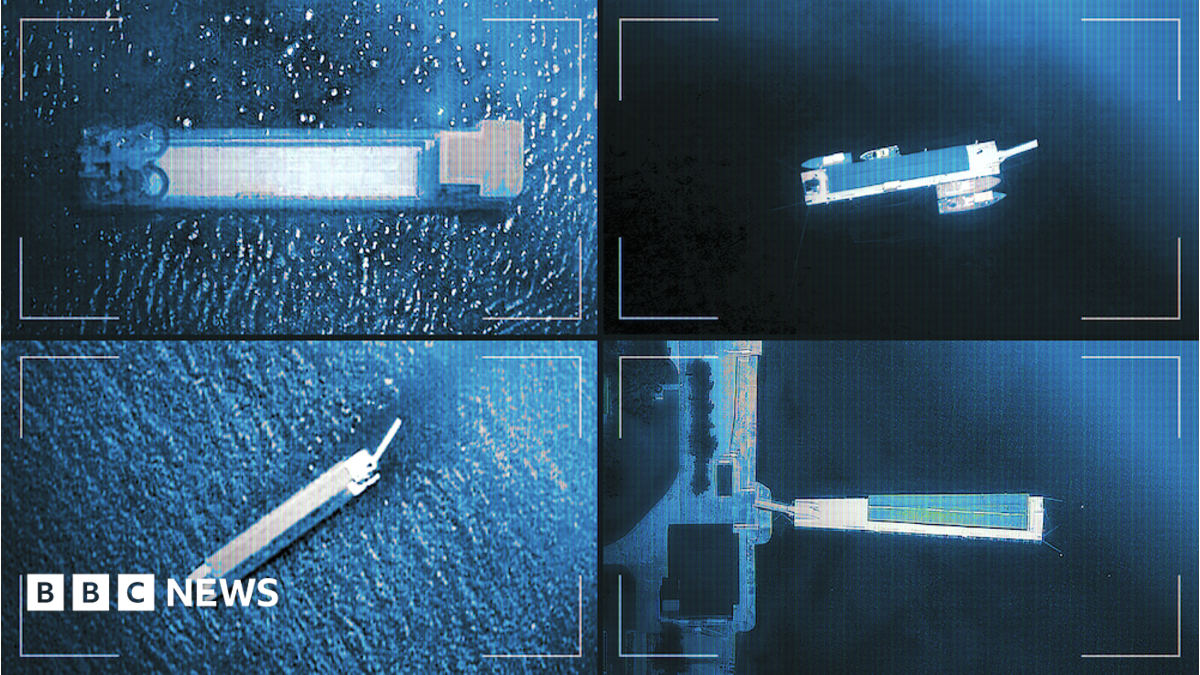
Satellite surveillance detailing high-end recreational vessels at Kim Jong Un's coastal compound underscores persistent sanctions evasion networks sustaining North Korea's ruling elite.
Geopolitical & Core Developments
Recent commercial satellite imagery has documented the deployment of an advanced, approximately 80-meter luxury leisure vessel featuring an integrated 50-meter swimming pool and multi-story water slides adjacent to the Wonsan coastal compound of North Korean leader Kim Jong Un. The imagery, verified by maritime tracking analysts and regional monitoring groups, offers concrete forensic insight into the insular lifestyle of the Pyongyang political leadership. Situated along the eastern seaboard of the Korean Peninsula, the Wonsan-Kalma zone has long functioned as both a private presidential retreat and a strategic focal point for state-directed leisure development, standing in stark contrast to the structural food shortages and energy austerity confronting the broader domestic population.
From a statecraft perspective, the persistent maintenance and upgrading of high-value leisure infrastructure reflects the regime's uninterrupted access to offshore procurement pipelines. Despite sweeping multilateral sanctions imposed under United Nations Security Council resolutions—which explicitly bar the direct or indirect supply, sale, or transfer of luxury goods, yachts, and recreational equipment to the Democratic People's Republic of Korea—Pyongyang continues to demonstrate an ability to bypass interdiction. The Wonsan complex serves as an operational hub not only for executive leisure but also as a secondary command redoubt, where high-level missile tests and military readiness drills are routinely conducted alongside elite diplomatic gatherings.
Global Trade & Economic Ripples
While the direct capital footprint of North Korean executive recreation remains self-contained, the procurement mechanisms enabling such luxury acquisitions produce measurable consequences across global trade lanes, maritime compliance protocols, and commodity tracking. The acquisition, refurbishment, and marine transit of luxury tonnage rely extensively on complex corporate layering, flags of convenience, and ship-to-ship transfers across East Asian waters. Maritime insurers, port operators, and commercial shippers operating across the Yellow Sea, Sea of Japan, and the Taiwan Strait face increasing regulatory scrutiny and compliance costs as secondary sanctions target facilitators of illicit North Korean logistics.
Furthermore, the capital flows that underwrite elite consumption are structurally tethered to broader illicit commodity networks. Independent sanctions monitors consistently link the North Korean leadership's procurement of foreign capital assets to systemic revenue streams generated through sanctions-busting coal exports, illicit refined petroleum transfers exceeding United Nations annual caps, and sophisticated state-backed cyber heists. By routing maritime assets through unregulated or opaque jurisdictional corridors, these networks introduce compliance frictions and heightened counterparty risk for legitimate merchant shipping lines operating across East Asian maritime chokepoints.
Related Intelligence: US-Ukraine Geopolitical Rift Strains Energy Markets and Emerging Economy Supply Chains
International Reactions & Diplomatic Stances
International monitoring organizations and Western security officials have cited the satellite evidence as confirmation of the structural deficiencies within current regional enforcement architectures. Diplomatic envoys from the United States, South Korea, and Japan have reiterated calls for stricter compliance with existing United Nations Security Council mandates, pointing out that luxury interdictions are vital to exposing the broader illicit financing networks utilized by the regime for its ballistic and nuclear programs.
Conversely, multilateral consensus remains hindered by permanent members of the United Nations Security Council. Beijing and Moscow have progressively opposed the expansion of penal mechanisms against Pyongyang, advocating instead for sanctions relief on humanitarian grounds. The dissolution of the United Nations Panel of Experts monitoring North Korean sanctions earlier this year, precipitated by a Russian veto, has significantly degraded formal multilateral reporting channels. In response, Washington, Seoul, and Tokyo have pivoted toward trilateral maritime coordination and autonomous sanctions regimes to track illicit vessels and associated maritime intermediaries.
Strategic Outlook & Future Scenarios
The persistence of high-end leisure developments within North Korea indicates that targeted financial restrictions have failed to sever the ruling apparatus from global gray-market supply chains. Over the near term, Pyongyang is anticipated to deepen its commercial and technological cooperation with the Russian Federation, leveraging arms supplies and ammunition transfers to secure reciprocal shipments of fuel, raw materials, and high-tier consumer goods outside the jurisdiction of Western enforcement mechanisms.
Moving forward, regional security dynamics will remain vulnerable to sudden escalations as Pyongyang pairs domestic consolidation with persistent military posturing. In the absence of a unified United Nations monitoring apparatus, Western allies will increasingly rely on commercial satellite reconnaissance, autonomous naval surveillance, and targeted secondary penalties on financial institutions to suppress North Korea's maritime evasion corridors.
Join Our Official WhatsApp Channel
Receive live commodity alerts, policy changes, and commercial intelligence directly on WhatsApp.