
US Removes Sanctions on Venezuelan Assembly Chief Amid Oil Diplomacy
The United States has removed sanctions against Venezuela's legislative leader Jorge Rodriguez, signaling a strategic recalibration aimed at securing global energy flows and advancing bilateral engagement.
Geopolitical & Core Developments
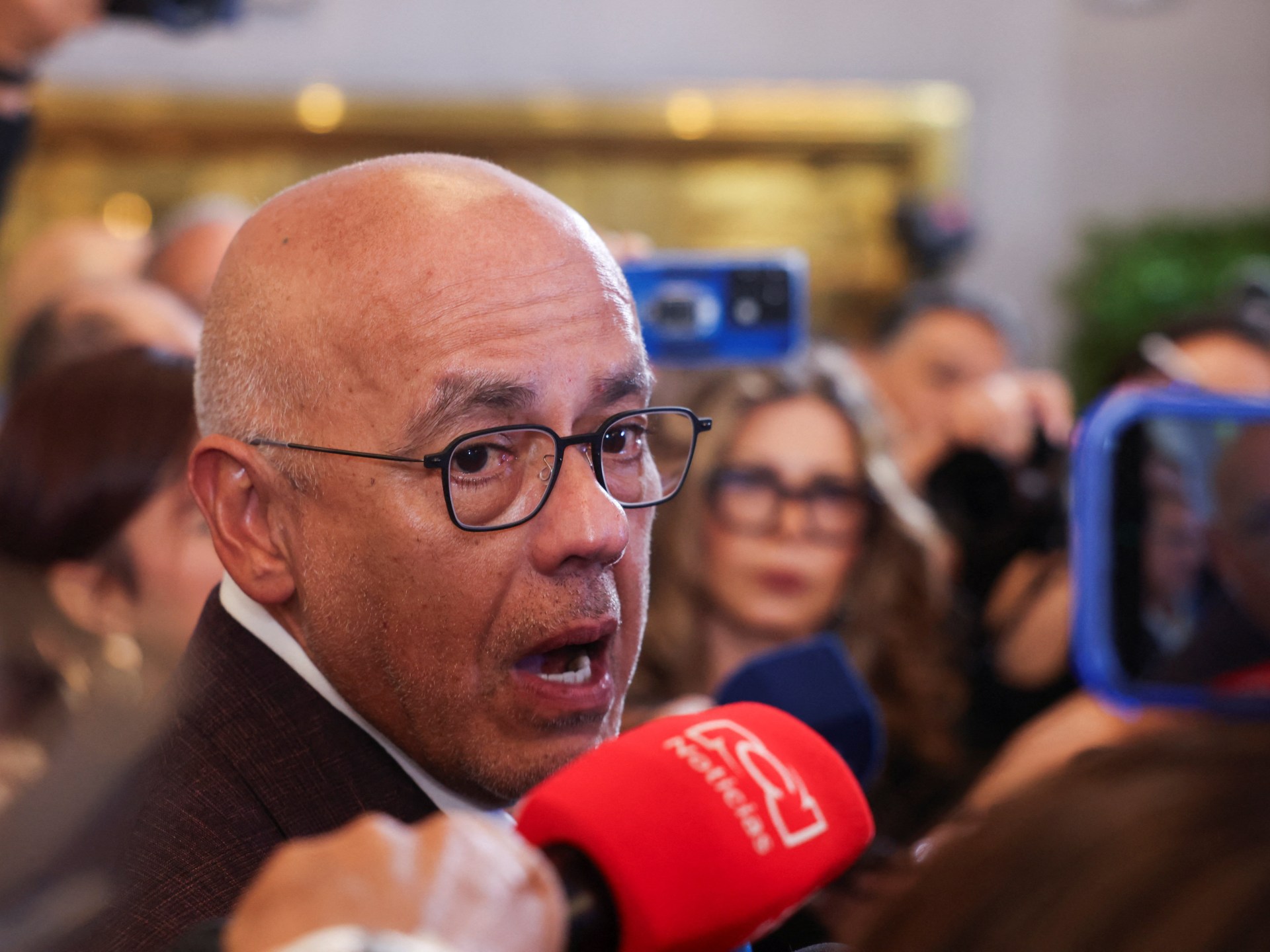
The United States Department of the Treasury's Office of Foreign Assets Control (OFAC) has formally delisted Jorge Rodriguez, President of Venezuela's National Assembly and a principal negotiator for the administration of President Nicolas Maduro. Rodriguez, who had been subject to targeted financial and travel restrictions since 2018, represents one of the most prominent Venezuelan state figures to see punitive measures rescinded in recent years.
The administrative move comes as Washington executes a recalibrated foreign policy toward Caracas, balancing geopolitical leverage with urgent realignments in Western Hemisphere energy security. Rodriguez has served as the Venezuelan government's chief envoy in protracted talks with political opposition groups and external mediators, including delegations from Norway, Mexico, and Qatar. The removal of sanctions against such a high-profile figure underscores a calculated tactical maneuver by the US executive branch to incentivize governance milestones, particularly surrounding constitutional and electoral frameworks, while keeping vital diplomatic channels open.
Global Trade & Economic Ripples
The easing of sanctions against key Venezuelan figures sends immediate signals to global commodity desks and international maritime logistics operators. Venezuela holds the world's largest proven crude oil reserves, primarily situated in the Orinoco Belt, yet years of infrastructure underinvestment, political volatility, and sweeping unilateral sanctions have limited production to a fraction of historic capacity.
International energy majors and crude refiners, particularly along the US Gulf Coast, have long sought greater access to Venezuelan heavy sour crude, which serves as an optimal feedstock for complex downstream refining facilities. Progress in bilateral diplomatic engagements often correlates with the issuance or extension of targeted OFAC general licenses, allowing multinational joint ventures—such as those operated by Chevron, Eni, and Repsol—to sustain and expand extraction and export operations. Continued diplomatic de-escalation could alleviate marginal supply tightness in global crude benchmarks, temper shipping rate volatility across Caribbean and Latin American tanker routes, and reduce the reliance of Western markets on secondary trading intermediaries operating through gray-market maritime networks.
International Reactions & Diplomatic Stances
Official reaction to the delisting has exposed structural divisions across international diplomatic and regulatory arenas. In Caracas, representatives of the ruling United Socialist Party of Venezuela (PSUV) characterized the decision as an overdue acknowledgment of state sovereignty and an essential step toward dismantling what they define as an illegal sanctions regime aimed at economic destabilization.
In Washington, the development drew immediate scrutiny from legislative hardliners, who warned that unilateral concessions without irreversible democratic guarantees risk legitimizing the Maduro administration. Conversely, regional Latin American leadership, notably administrations in Bogota and Brasilia, praised the development, arguing that constructive multilateral engagement and targeted sanctions relief represent the only viable pathway toward regional economic integration and migration stabilization. Energy market analysts at leading international financial institutions noted that the decision reflects structural realpolitik, where Western supply vulnerabilities dictate diplomatic flexibility.
Strategic Outlook & Future Scenarios
The path ahead will be dictated by whether this targeted sanctions relief translates into institutional political concessions within Venezuela. A baseline scenario envisions incremental, conditional regulatory waivers that allow expanded international crude-for-debt or crude-for-diesel arrangements, maintaining a calibrated equilibrium between diplomatic pressure and energy access.
However, significant escalation risks persist. Any perceived backtracking on electoral transparency or democratic guarantees could prompt immediate snapback provisions by US regulatory authorities, re-freezing assets and deterring foreign capital investment. Over the coming quarters, international market participants will closely monitor upcoming bilateral meetings, license renewal deadlines, and global energy demand trends to evaluate whether this targeted action marks the beginning of broad-based sanctions normalization or remains an isolated diplomatic gesture.
Join Our Official WhatsApp Channel
Receive live commodity alerts, policy changes, and commercial intelligence directly on WhatsApp.