
US Immigration Agency Rejects Automated Body Camera Oversight Mandate
US Immigration and Customs Enforcement has rejected a federal watchdog proposal requiring automatically recording body cameras, intensifying international scrutiny over migration governance and domestic oversight standards.
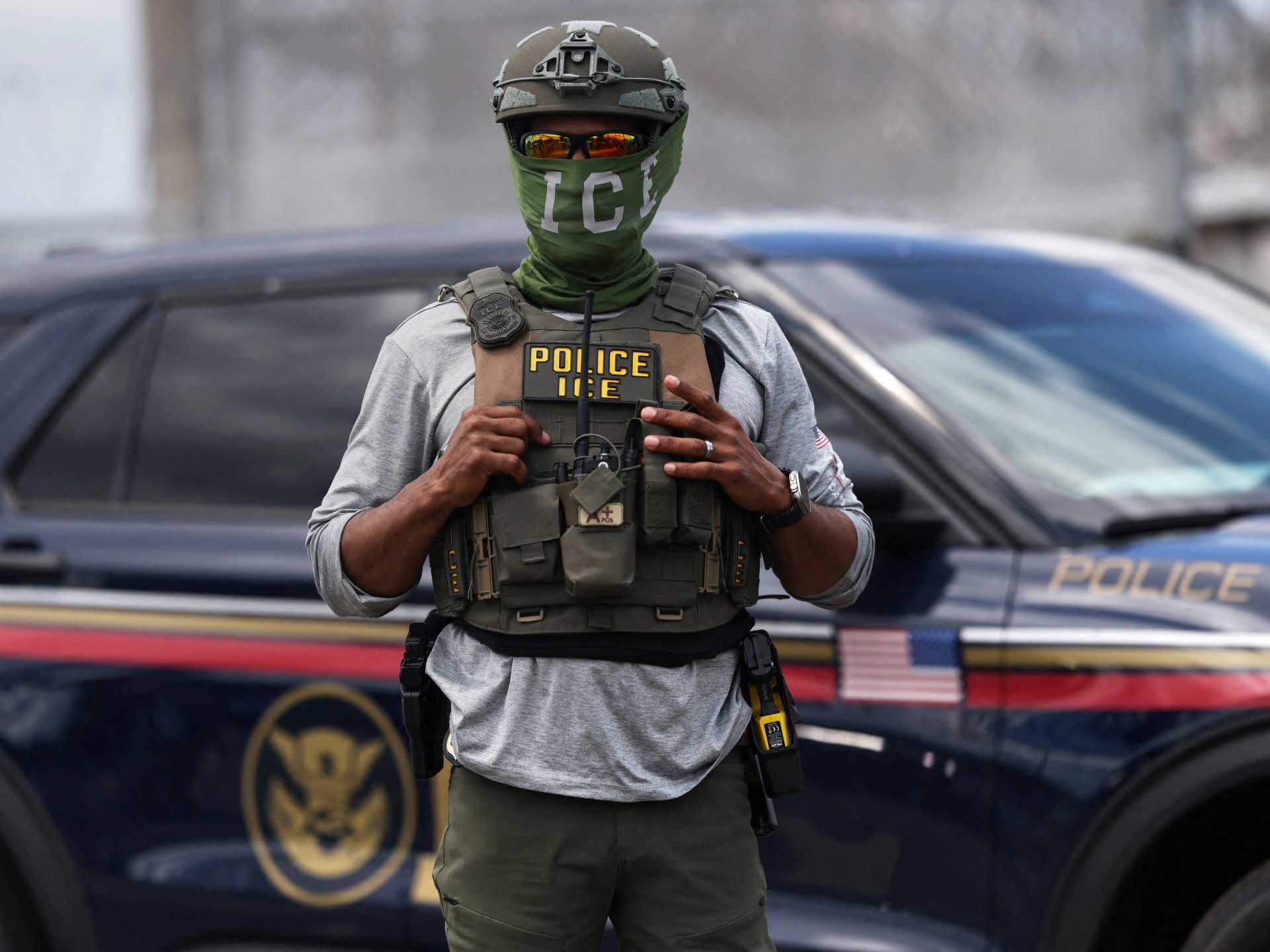
Geopolitical & Core Developments
United States Immigration and Customs Enforcement (ICE) has formally pushed back against recommendations issued by a federal government watchdog advocating for the mandatory adoption of body-worn cameras that activate automatically during operational encounters. The findings, compiled by an internal oversight body, stressed that automated trigger mechanisms—such as the unholstering of a weapon or the activation of emergency vehicle lights—are critical to ensuring operational transparency, reducing civil rights abuses, and protecting both officers and civilians during deportations and enforcement raids.
In its formal rebuttal, ICE leadership argued that mandated automated activation poses substantial logistical, budgetary, and operational hurdles. Agency officials asserted that current discretionary protocols, which require agents to manually turn on recording devices, are sufficient and provide officers with the tactical flexibility needed in high-stress, rapidly evolving field operations. The standoff exposes persistent institutional friction inside the United States national security infrastructure, where executive discretion frequently clashes with statutory accountability mechanisms. This friction carries acute international weight given the agency's primary role in executing bilateral repatriation accords and border enforcement strategies affecting hundreds of thousands of foreign nationals annually.
Global Trade & Economic Ripples
While predominantly framed as an administrative and civil rights matter, domestic border and immigration enforcement mechanisms exert notable second-order pressures on global commercial ecosystems. Cross-border labor supply chains—particularly across North American agricultural, construction, and manufacturing corridors—remain exceptionally sensitive to enforcement intensity and transparency. Inconsistent or disputed enforcement practices inject volatility into migrant labor availability, directly altering wage expectations and operational continuity across multi-billion-dollar food production networks.
Furthermore, the multi-million-dollar government procurement market for law enforcement technologies is directly impacted. Global defense contractors, surveillance software developers, and camera manufacturers had positioned themselves for large-scale federal rollouts tied to automated compliance hardware. ICE's resistance signals potential delays or scale-downs in federal technology tenders, cooling investor momentum in specialized defense-tech sectors. Broader remittance flows to Latin America, which constitute a vital foreign exchange reserve for economies such as Mexico, Guatemala, and Honduras, also mirror fluctuations in deportation practices and enforcement certainty.
Related Intelligence: Pakistan and Oman Deepen Bilateral Trade and Regional Peace Efforts
International Reactions & Diplomatic Stances
International monitoring organizations, regional governments, and human rights bodies have viewed the agency's resistance with growing concern. Representatives from multilateral human rights commissions and regional diplomatic missions in Washington have repeatedly urged the US government to institute binding, objective oversight frameworks to prevent arbitrary detention and procedural violations during enforcement actions. Legal advocacy groups argue that discretionary camera activation renders accountability virtually voluntary, complicating consular access and legal recourse for foreign nationals facing removal.
Diplomats from Central American partners have quietly emphasized that domestic US enforcement transparency directly affects bilateral cooperation agreements, including regional migration management frameworks established under multilateral accords. Watchdog groups point out that standardizing automated recording aligns with best practices adopted by international policing standards, warning that an institutional refusal to implement basic surveillance safeguards undermines Washington’s leverage when advocating for human rights and rule of law standards in international forums.
Strategic Outlook & Future Scenarios
The policy impasse is expected to trigger legislative inquiries on Capitol Hill, where congressional committees responsible for homeland security oversight are likely to summon agency administrators to justify the rejection. Lawmakers advocating for police reform may attempt to attach mandatory hardware upgrade provisions to forthcoming federal appropriations bills, leveraging the power of the purse to enforce compliance.
Over the medium term, the agency faces compounding pressure from independent federal audits and public interest litigation. If automated activation remains stalled, disputes surrounding contested enforcement actions will continue to rely on fragmented testimony, sustaining elevated legal exposure for the government and perpetuating diplomatic frictions with migrant-origin nations. The trajectory of this policy struggle will serve as a bellwether for how western democracies balance operational autonomy in immigration policing against the institutional demands of international transparency.
Join Our Official WhatsApp Channel
Receive live commodity alerts, policy changes, and commercial intelligence directly on WhatsApp.