
Colombia Opposition Mobilizes Mass Demonstrations Against Austerity and Foreign Policy Shifts
Large-scale protests erupted in Bogota against fiscal austerity and diplomatic recalibrations, accentuating domestic polarization and threatening sovereign investment stability across South America's fourth-largest economy.
Geopolitical & Core Developments
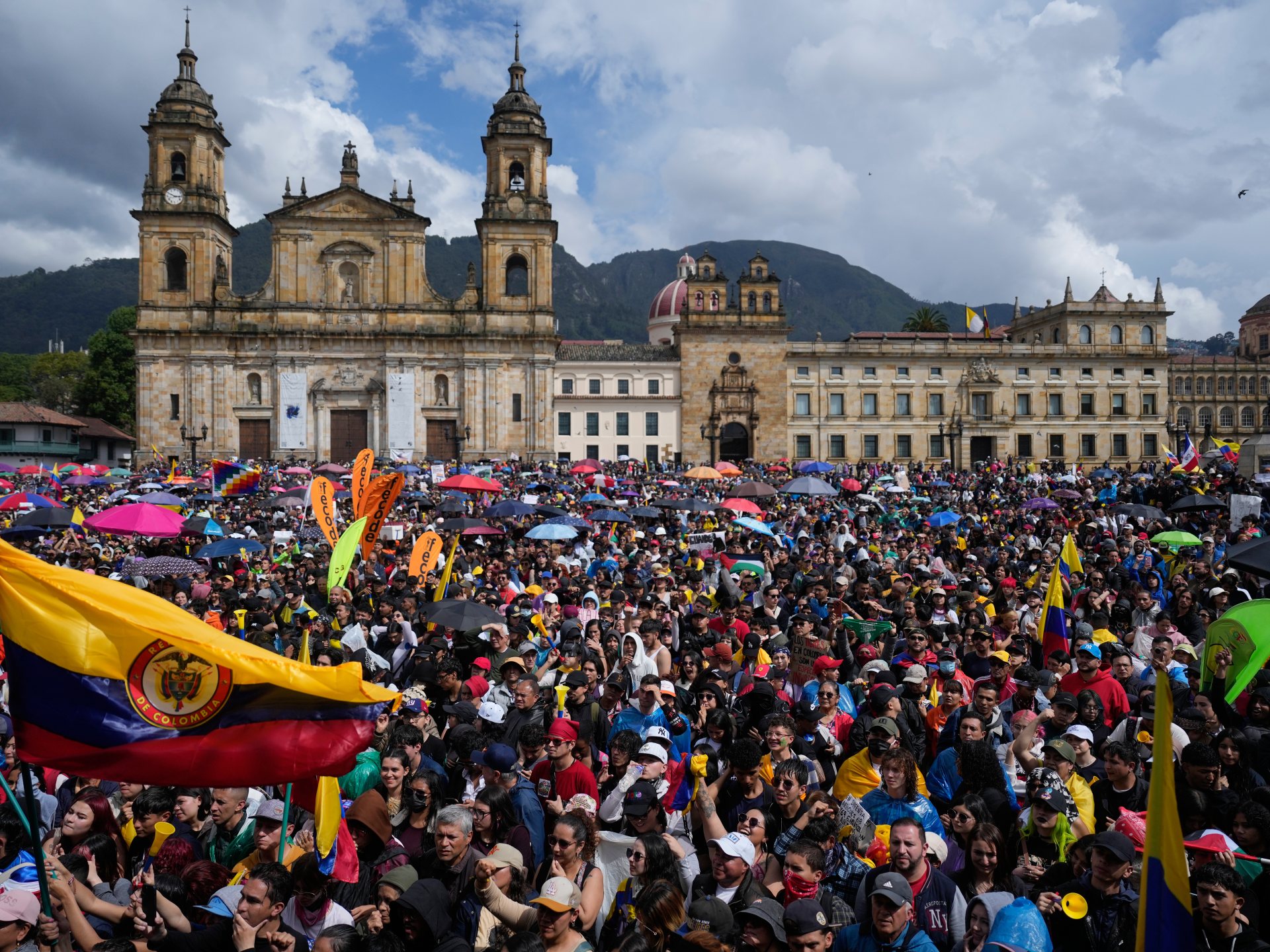
Mass civic demonstrations led by prominent opposition figures, including former President Gustavo Petro, brought central Bogota to a standstill this week as thousands took to the streets to protest proposed fiscal austerity measures and contentious foreign policy pivots. The unrest highlights a sharp socio-political fracture following deep spending cuts orchestrated by the current administration alongside strategic realignments concerning bilateral defense and trade relations with Israel.
The mobilization converges multiple grievances, primarily focused on severe reductions in public sector subsidies, welfare frameworks, and education outlays. Tensions have further been amplified by broader geopolitical controversies. Petro, who had severed formal diplomatic ties with Israel during his tenure over military actions in Gaza, leveraged the platform to denounce current policy shifts attempting to normalize or re-expand military-technical partnerships with Jerusalem. The demonstrations reflect enduring instability within the Andean nation, where deep ideological divergence complicates long-term domestic consensus and strategic governance.
Global Trade & Economic Ripples
The immediate impact of widening civil discord has resonated across regional markets, generating fresh scrutiny of Colombia's sovereign fiscal position. The administration's proposed budget consolidations aim to curb widening deficit targets and manage substantial external debt servicing obligations. However, structural opposition in urban hubs introduces acute execution risk, complicating the rollout of revenue-enhancing tax reforms and industrial restructuring.
International energy and commodities desks are monitoring the fallout closely. Colombia remains an indispensable exporter of thermal coal, crude petroleum, and specialty arabica coffee to international markets. While logistics along major pipeline routes and arterial transport corridors to Caribbean and Pacific terminals remain operational, protracted social unrest historically poses asymmetric risks to overland freight transit and extraction logistics. Market participants note that currency fluctuations in the Colombian peso (COP) increasingly reflect a political risk premium, exacerbated by investor caution toward emerging market assets facing domestic friction.
Related Intelligence: Government Raises Petrol Price by Rs1.20, Trims High-Speed Diesel Rate
International Reactions & Diplomatic Stances
The unfolding demonstrations have attracted scrutiny across Latin America and multilateral institutions. The United Nations and regional human rights observatories have issued appeals for institutional restraint, urging law enforcement to protect peaceful assembly while calling on opposition leaders to deter confrontations with security forces.
Diplomatically, the domestic conflict over defense and trade agreements with Israel illustrates the wider fracture among Latin American states regarding Middle Eastern diplomacy. While conservative factions argue that retaining technological and security procurement contracts with Israeli defense contractors is vital for domestic counter-insurgency and border security, progressive blocs maintain that normalizing engagements breaks international humanitarian commitments. Global credit rating agencies have reaffirmed that political gridlock and street-level resistance will serve as primary headwinds against stabilizing public debt ratios over the fiscal year.
Strategic Outlook & Future Scenarios
Looking forward, the political confrontation in Bogota indicates a period of institutional inertia. If the administration maintains its uncompromising stance on expenditure reductions, coalition fragility within the legislature could derail pending structural legislation, forcing reliance on executive decrees that risk amplifying public discontent.
Key watchpoints in the near term include forthcoming labor union strikes and industrial actions in the hydrocarbon and transport sectors. Prolonged mass protests could force sovereign credit downgrades, increasing borrowing costs for state-controlled entities like Ecopetrol. Furthermore, the external posture of Colombia will remain contested, signaling to international partners that bilateral security pacts and foreign commercial agreements remain subject to the volatile swings of Andean electoral cycles.
Join Our Official WhatsApp Channel
Receive live commodity alerts, policy changes, and commercial intelligence directly on WhatsApp.