
Denmark Rebuffs US Resource Claims Following Landmark Greenland Sovereignty Accord
Denmark and Greenland have firmly dismissed assertions of US resource extraction rights, emphasizing that a newly signed trilateral framework strictly protects domestic sovereignty over critical minerals and energy assets.
Geopolitical & Core Developments
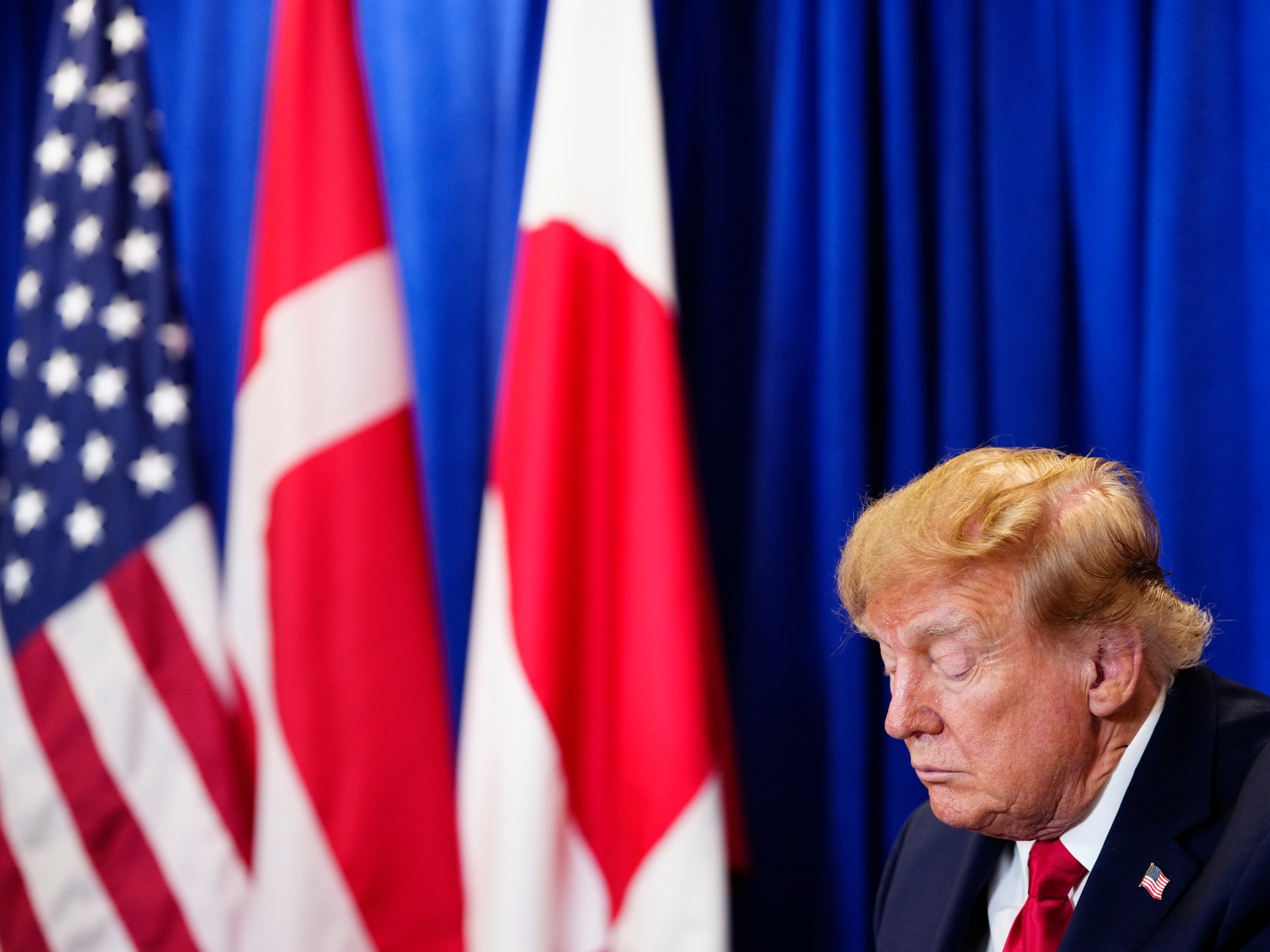
Tensions surrounding Arctic governance resurfaced this week after Danish and Greenlandic officials unequivocally rejected claims that a recent diplomatic framework granted the United States exploration or exploitation rights over Greenland's vast natural resources. The pushback followed public remarks by former US President Donald Trump asserting prospective commercial access to the territory's oil, gas, and critical mineral deposits.
Diplomatic representatives from Copenhagen and Nuuk clarified that the latest trilateral engagement between Denmark, Greenland, and Washington is centered on regional security, scientific cooperation, and environmental monitoring. Crucially, the legal text excludes any transfer of subsoil rights or preferential commercial licensing. Under the 2009 Act on Greenland Self-Government, authority over mineral resources and petroleum reserves rests solely with the government of Greenland (Naalakkersuisut). Danish Prime Minister Mette Frederiksen reiterated that Greenland is not an asset subject to external acquisition or unilateral resource allocation, marking a firm defense of territorial integrity.
Global Trade & Economic Ripples
Greenland holds some of the world's largest undeveloped deposits of rare earth elements (REEs), including neodymium, praseodymium, dysprosium, and terbium, alongside substantial reserves of zinc, iron ore, and prospective offshore hydrocarbons. Western nations, led by the United States and European Union members, have increasingly viewed the Arctic island as a vital counterweight to China's dominant position in the global critical minerals value chain.
The clarification of legal boundaries injects renewed scrutiny into international mining ventures. Foreign exploration firms must navigate stringent environmental regulations enforced by Nuuk, which banned uranium mining and halted new oil exploration licenses in 2021 to protect fragile ecosystems. Market analysts note that while long-term supply chain diversification away from Asian refining hubs remains imperative for global defense and green technology sectors, access to Greenland's resources will require bilateral state-level partnerships compliant with local statutory frameworks, rather than broad unilateral concessions.
Related Intelligence: Government Raises Petrol Price by Rs1.20, Trims High-Speed Diesel Rate
International Reactions & Diplomatic Stances
Officials in Nuuk emphasized that Greenland remains open for international business, provided foreign investments adhere strictly to domestic environmental and labor standards. Greenland's Minister of Foreign Affairs noted that commercial agreements must deliver tangible socio-economic benefits to the local population rather than serving as geopolitical leverage.
In Brussels, European Union policymakers underscored the importance of the Arctic partnership established with Greenland in late 2023, aimed at securing sustainable raw materials through transparent, multilateral cooperation. Conversely, Washington defense and trade strategists continue to highlight the Arctic as an arena of acute strategic competition, driven by Russian military modernizations across the Northern Sea Route and Chinese commercial ambitions under the 'Polar Silk Road' initiative.
Strategic Outlook & Future Scenarios
The trajectory of Arctic resource diplomacy points toward heightened regulatory diplomacy rather than immediate industrial exploitation. Greenland's administration is expected to maintain its selective approach to commercial mining, prioritizing projects with low radiological footprints and broad public support. Upcoming multilateral discussions within the Arctic Council and high-level NATO security dialogues will likely concentrate on non-militarization and infrastructure resilience. For institutional commodity investors and sovereign buyers, the Danish-Greenlandic stance reinforces that Western access to strategic raw materials will remain contingent on absolute respect for local self-determination and rigorous environmental oversight.
Join Our Official WhatsApp Channel
Receive live commodity alerts, policy changes, and commercial intelligence directly on WhatsApp.