
Mexican Court Dismisses Case Against Official Over Fatal Migrant Fire
A Mexican court has dismissed criminal charges against the former migration director over a deadly 2023 border detention fire, sparking sharp criticism from human rights groups and international observers.
Geopolitical & Core Developments
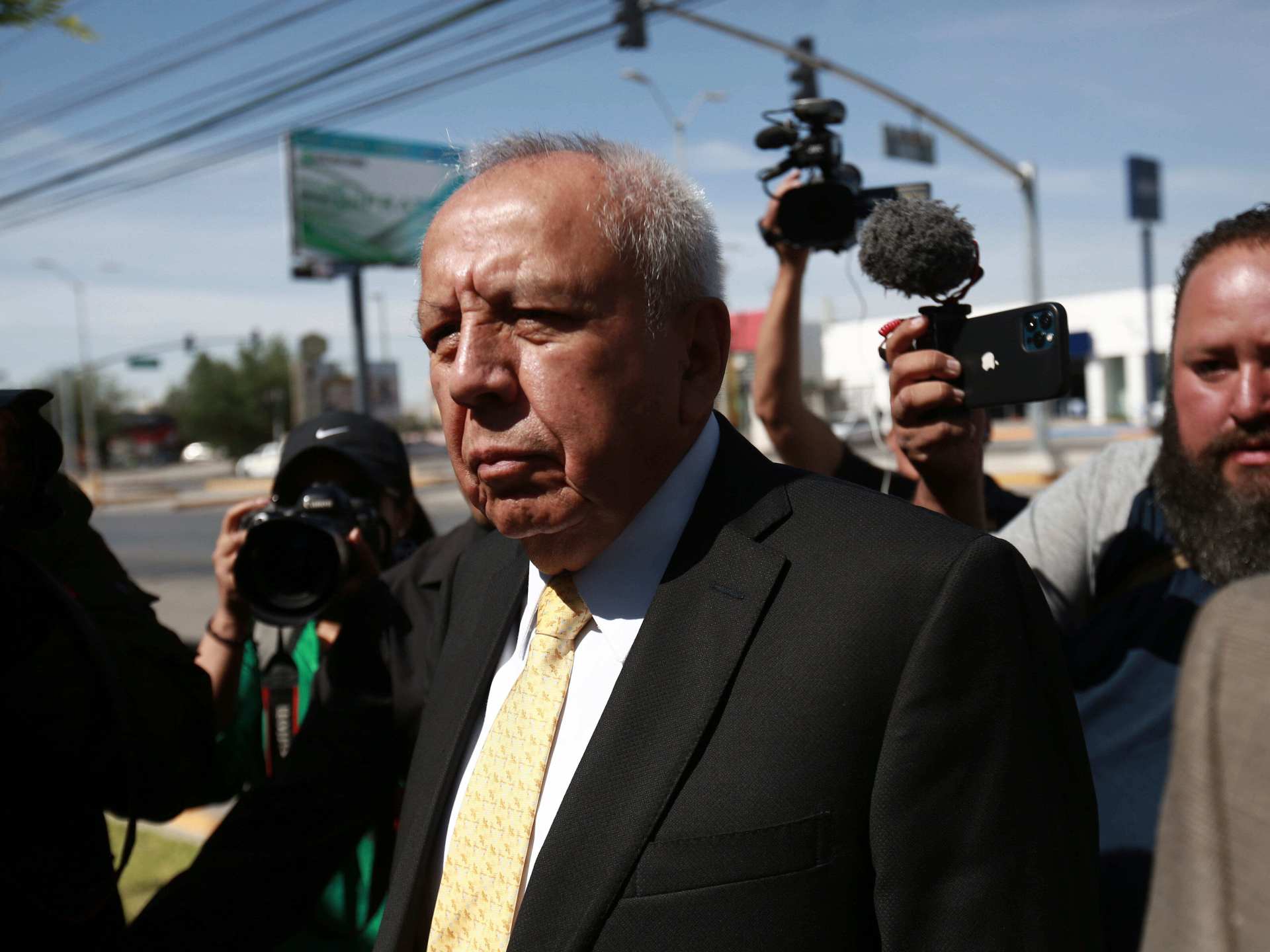
A federal judge in Ciudad Juarez has formally closed criminal proceedings against Francisco Garduno, the former director of Mexico's National Migration Institute (INM), regarding his alleged culpability in the March 2023 detention center fire that killed 40 individuals and injured dozens more. The incident occurred at an INM holding facility near the United States-Mexico border, where detainees were trapped behind locked cell doors after mattresses were set on fire in protest of imminent deportations. Garduno had faced charges of unlawful exercise of public office for failing to enforce safety and oversight protocols across the state agency.
The judicial decision, issued following a request from Garduno's defense team citing procedural and evidentiary deficiencies, effectively clears the most senior government official linked to the incident. Human rights groups and legal representatives of the victims have denounced the ruling, labeling it a demonstration of selective justice designed to shield high-ranking administrative personnel while lower-level security guards and field agents bear criminal responsibility. The development highlights persistent friction in Mexico's institutional enforcement of migrant rights amid sustained external pressures to maintain containment measures along transit routes.
Global Trade & Economic Ripples
While the court's decision is fundamentally a domestic legal ruling, its broader implications intersect directly with North American logistical integrity and cross-border trade operations. Ciudad Juarez is a pivotal manufacturing and freight corridor connecting Mexican assembly operations with the US industrial heartland. Periodic migrant protests, facility unrest, and subsequent border enforcement spikes historically disrupt commercial freight processing, creating supply chain bottlenecks for automotive, electronics, and agricultural commodities traversing ports of entry such as El Paso.
Furthermore, institutional stability within Mexico's border control framework is closely monitored by multinational logistics firms and supply chain operators. Heightened social unrest or organized labor protests triggered by judicial controversies have previously slowed customs clearance lanes, driving up demurrage costs and inflating ground transport risk premiums. As North American nearshoring accelerates, legal controversies that threaten civil order or provoke retaliatory border inspections introduce commercial frictions that complicate just-in-time freight deliveries across the continental manufacturing network.
Related Intelligence: Saudi Arabia Postpones Elite Tennis Showcase Amid Escalating Regional Security Risks
International Reactions & Diplomatic Stances
The court's ruling has elicited sharp pushback from civil society coalitions, legal advocacy groups, and regional human rights bodies across the Americas. Organizations such as the Institute for Women in Migration and Amnesty International characterized the dismissal as a severe setback for accountability, arguing that the Mexican state has failed to meet international legal standards regarding state custody and the protection of vulnerable populations. Legal teams representing families from Guatemala, Honduras, El Salvador, and Venezuela have announced plans to escalate the matter to the Inter-American Court of Human Rights.
Diplomatic channels within Central America have expressed private dismay over the lack of senior accountability, noting that bilateral cooperation on repatriation and security relies on mutual guarantees of fair treatment. While Washington officials have largely refrained from commenting directly on Mexican judicial decisions, regional analysts observe that the United States continues to emphasize the need for robust, legally compliant enforcement mechanisms as both nations negotiate border administration strategies ahead of upcoming regional security dialogues.
Strategic Outlook & Future Scenarios
The trajectory of Mexico's migration policy remains contingent on both judicial outcomes and geopolitical imperatives dictated by the incoming political calendar in Washington. Moving forward, the complete exoneration of high-level management risks weakening institutional compliance among operational field units, potentially increasing the likelihood of operational lapses in overcrowded transit facilities. Public demonstrations and legal appeals are expected to persist across major transit cities like Tapachula and Ciudad Juarez.
In the medium term, sustained international criticism may force the Mexican executive to pursue internal bureaucratic restructuring within the National Migration Institute to appease regional trade partners and multilateral oversight bodies. However, with border enforcement remaining a critical bargaining chip in broader bilateral trade, security, and tariff discussions, institutional accountability will likely face persistent competing pressures against strategic migration containment goals.
Join Our Official WhatsApp Channel
Receive live commodity alerts, policy changes, and commercial intelligence directly on WhatsApp.