
UAE Bars Iranian Airlines As US Sanctions Squeeze Aviation Sector
The United Arab Emirates has restricted access to Iranian airlines, intensifying the economic squeeze from renewed United States sanctions on Tehran's aviation sector.
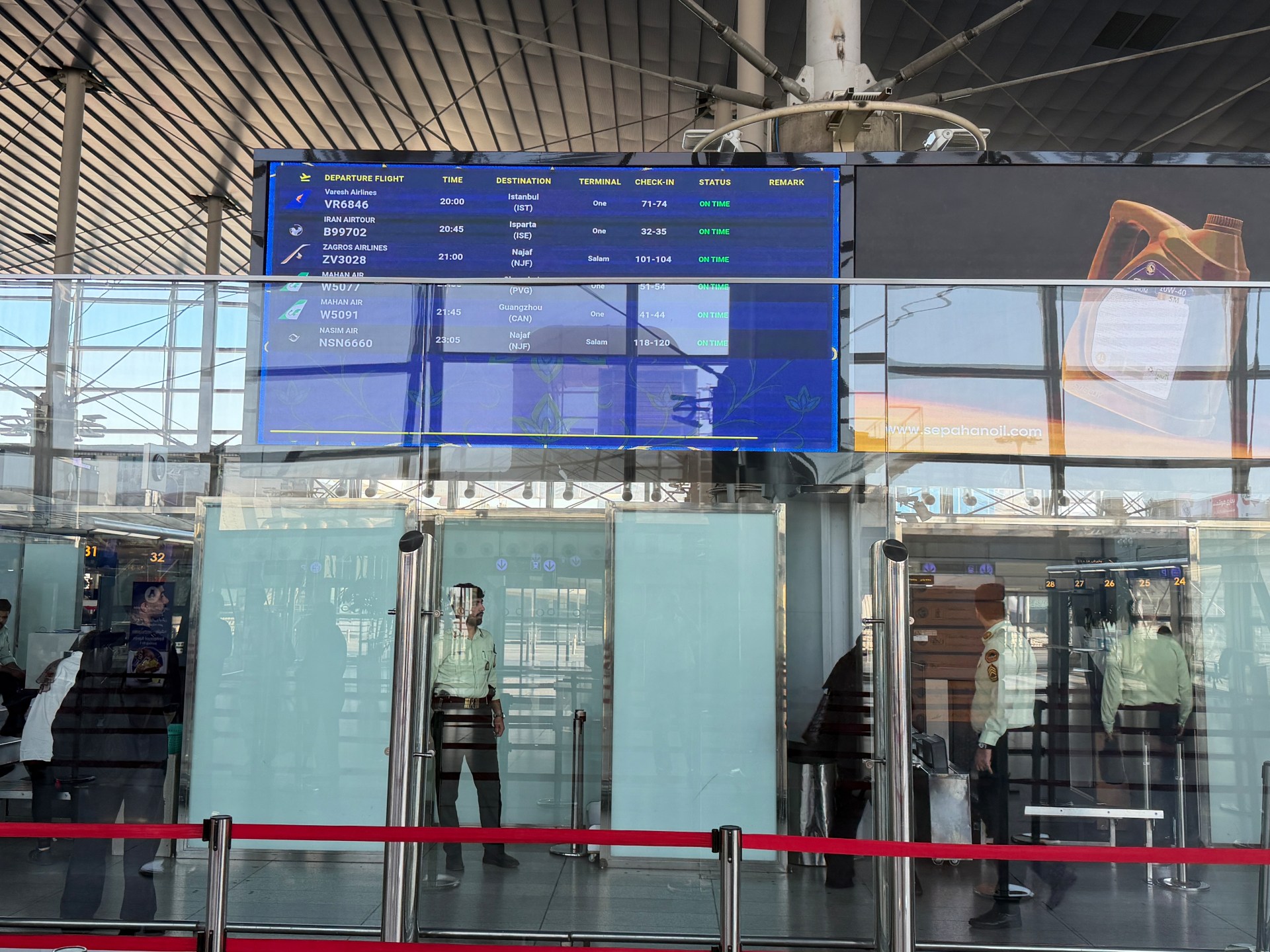
Geopolitical & Core Developments
The United Arab Emirates has moved to restrict access for Iranian airlines across its airspace and airports, joining a growing roster of regional jurisdictions including Oman, Iraq, Azerbaijan, Georgia, and Turkmenistan. This decisive policy shift marks a significant tightening of operational isolation for Tehran's commercial carriers. The decision stems from mounting regulatory and financial pressures driven by secondary United States sanctions, which target entities engaging with Iran's aerospace and transportation sectors. For years, the UAE served as a vital commercial bridge connecting Iran to global financial hubs and international travel networks. By curtailing these corridors, Abu Dhabi is navigating complex diplomatic imperatives, balancing historical trade ties with the pressing need to comply with stringent Western regulatory frameworks and avoid potential punitive measures from Washington.
Global Trade & Economic Ripples
The restriction of Iranian carriers across key Middle Eastern air corridors carries profound implications for global supply chains, regional logistics, and cargo mobility. Commercial aviation networks in the Gulf region act as critical arteries not only for passenger travel but also for high-value air freight, expedited spare parts delivery, and swift business mobility. With major hubs in the UAE and surrounding nations closing their doors to Iranian flagged aircraft, Tehran faces acute difficulties in maintaining supply chain continuity for industrial inputs and pharmaceutical imports. Furthermore, these aviation bottlenecks compound existing pressures on global commodity markets, particularly as ancillary logistics servicing Middle Eastern trade routes confront heightened insurance premiums and compliance overheads. Traders and freight forwarders are forced to reroute shipments, driving up operational costs and causing delivery friction across vital Eurasian trade corridors.
Related Intelligence: Iran Seeks US Return to Nuclear Framework Ahead of Midterms
International Reactions & Diplomatic Stances
International bodies and market analysts view the UAE's policy alignment as a logical extension of compliance-driven risk management rather than a sudden geopolitical rupture. Washington has consistently signaled that enforcement of sanctions on Iranian transport entities will remain rigorous, leaving regional governments with narrow margins for regulatory divergence. While official statements from Tehran have condemned the restrictions as economically coercive and counterproductive to regional stability, Western capitals regard the measures as an effective deterrent against the proliferation of illicit military and commercial logistics. Multilateral trade organizations have noted that the widening circle of restrictions—spanning from the Caucasus through Central Asia and into the Gulf—effectively isolates Iran's aviation grid from mainstream global commercial infrastructure, accelerating a fragmentation of regional transit agreements.
Strategic Outlook & Future Scenarios
Looking ahead, the long-term viability of Iran's commercial aviation sector appears increasingly precarious as domestic fleet modernization stalls under persistent sanctions and regional airspace access shrinks. Without access to Western-manufactured aircraft components and primary regional transit hubs, Iranian carriers will likely become heavily dependent on domestic routes and limited flights to non-aligned nations. Upcoming diplomatic summits and trade forums in the Middle East will likely focus on mitigating spillover effects for neutral commercial entities, yet the overarching trajectory points toward deeper economic decoupling. For global commodity traders and geopolitical strategists, the aviation squeeze serves as a clear indicator of how secondary sanctions continue to redraw the map of international commerce, transforming routine regional connectivity into a high-stakes arena of compliance and geopolitical alignment.
Join Our Official WhatsApp Channel
Receive live commodity alerts, policy changes, and commercial intelligence directly on WhatsApp.