
Argentina Poverty Climbs Under Milei Threatening Economic Reform Mandate
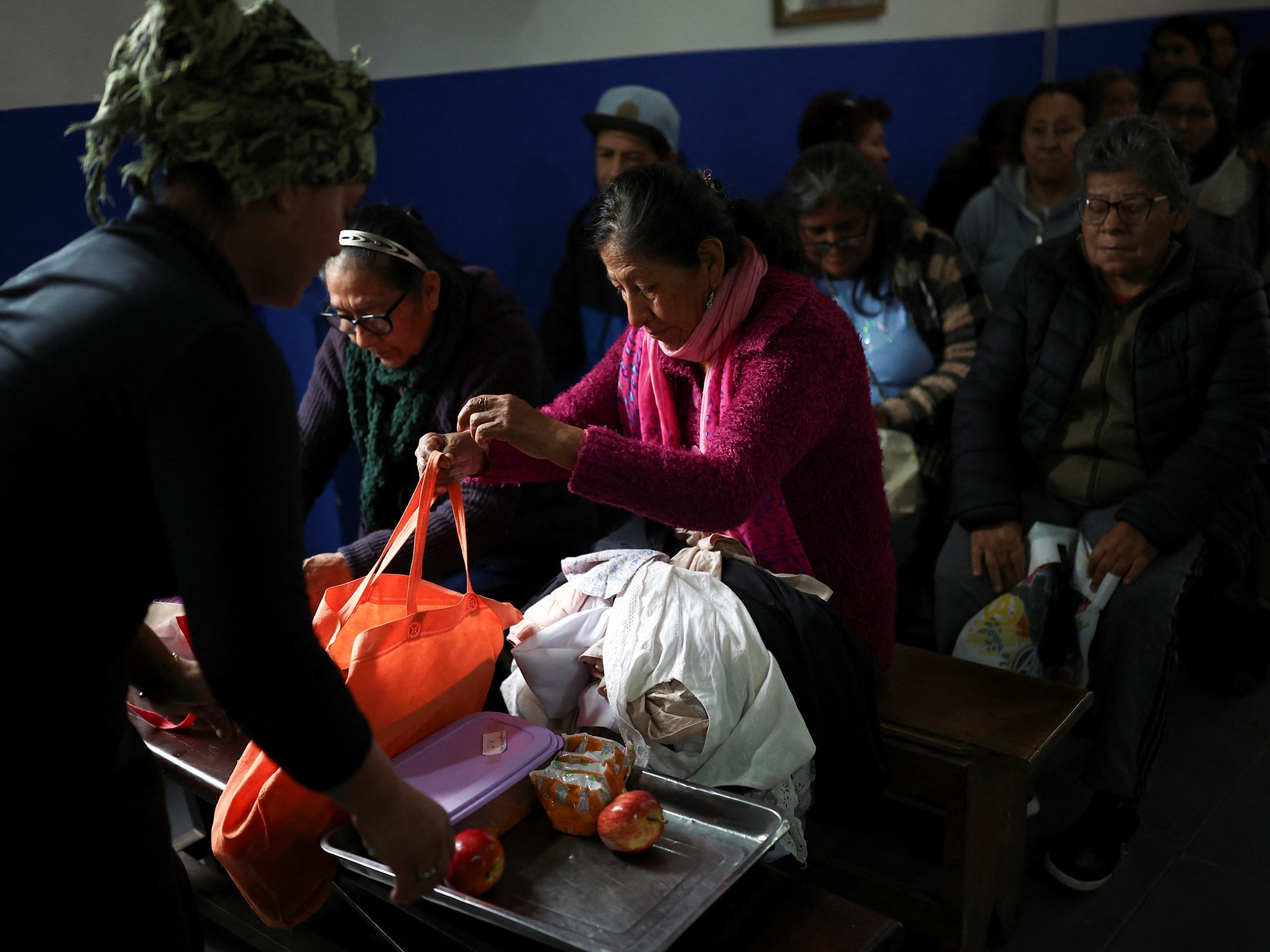
Argentina's poverty rate has surged to 32 percent in early 2026 under President Javier Milei, threatening his fiscal reform mandate and upcoming political re-election prospects.
Geopolitical & Core Developments
Argentina is facing a critical juncture in its modern political and economic history as official figures reveal that national poverty climbed to 32 percent during the first half of 2026. The 4.1-percentage-point increase marks a severe social toll exacted by President Javier Milei's aggressive fiscal austerity program, designed to eliminate chronic budget deficits and curb runaway inflation. Since taking office, Milei has staked his political capital on radical deregulation, state downsizing, and central bank orthodoxy. However, the human cost of these structural adjustments has begun to manifest acutely across urban centers, triggering widespread labor protests and congressional friction. As the administration prepares for pivotal legislative tests, the central political question is whether the Argentine public will sustain its patience with an administration demanding deep short-term pain in exchange for long-term stabilization.
[Global Trade](/news/trump-invites-putin-miami-g20-geopolitical-economic-impact) & Economic Ripples
For international commodity traders and global financial institutions, Argentina remains a high-stakes arena. As a dominant global exporter of agricultural commodities—including soybeans, corn, and beef—any domestic instability or currency fluctuation directly impacts international supply chains and Chicago Board of Trade pricing dynamics. The ongoing contraction in domestic purchasing power has depressed local consumption, driving producers to prioritize export markets to maintain foreign exchange reserves. Meanwhile, foreign direct investment (FDI) into Argentina's vast lithium and energy reserves in the Vaca Muerta shale formation hinges entirely on investor confidence in Milei's regulatory predictability. International rating agencies are closely monitoring whether mounting social unrest could jeopardize debt servicing schedules and derail negotiations with multilateral lenders.
Related Intelligence: Trump Extends G20 Invite to Putin, Igniting Global Trade and Diplomatic Debate
International Reactions & Diplomatic Stances
Multilateral financial institutions, including the International Monetary Fund (IMF), have maintained cautious backing for Milei's fiscal discipline, praising his administration's commitment to primary fiscal surpluses while quietly expressing concern over the expanding social deficit. Conversely, regional trade partners within Mercosur and various international labor organizations have criticized the severe contraction of social safety nets. Global human rights advocates have urged international lenders to condition financial assistance on robust protections for vulnerable populations, arguing that macroeconomic stabilization cannot come at the expense of basic human welfare. Foreign diplomatic missions in Buenos Aires are actively assessing the longevity of the current administration's mandate, weighing the risks of a populist backlash against the promise of a market-friendly economic transformation.
Strategic Outlook & Future Scenarios
Looking ahead, the trajectory of Argentina's economy will heavily influence South America's broader geopolitical alignment. If President Milei successfully navigates the current social crisis and delivers tangible inflation control by late 2026, it could serve as a blueprint for orthodox reform across emerging markets. Conversely, if rising poverty fuels a decisive political defeat in upcoming legislative elections, international capital flight could trigger renewed currency volatility and sovereign debt distress. Key upcoming milestones include quarterly IMF review cycles, upcoming mid-term electoral outcomes, and regulatory decisions regarding major infrastructure and mining concessions that will determine Argentina's integration into global supply chains for decades to come.
Join Our Official WhatsApp Channel
Receive live commodity alerts, policy changes, and commercial intelligence directly on WhatsApp.