
Brazilian Political Deadlock Persists as Lula and Bolsonaro Remain Deadlocked
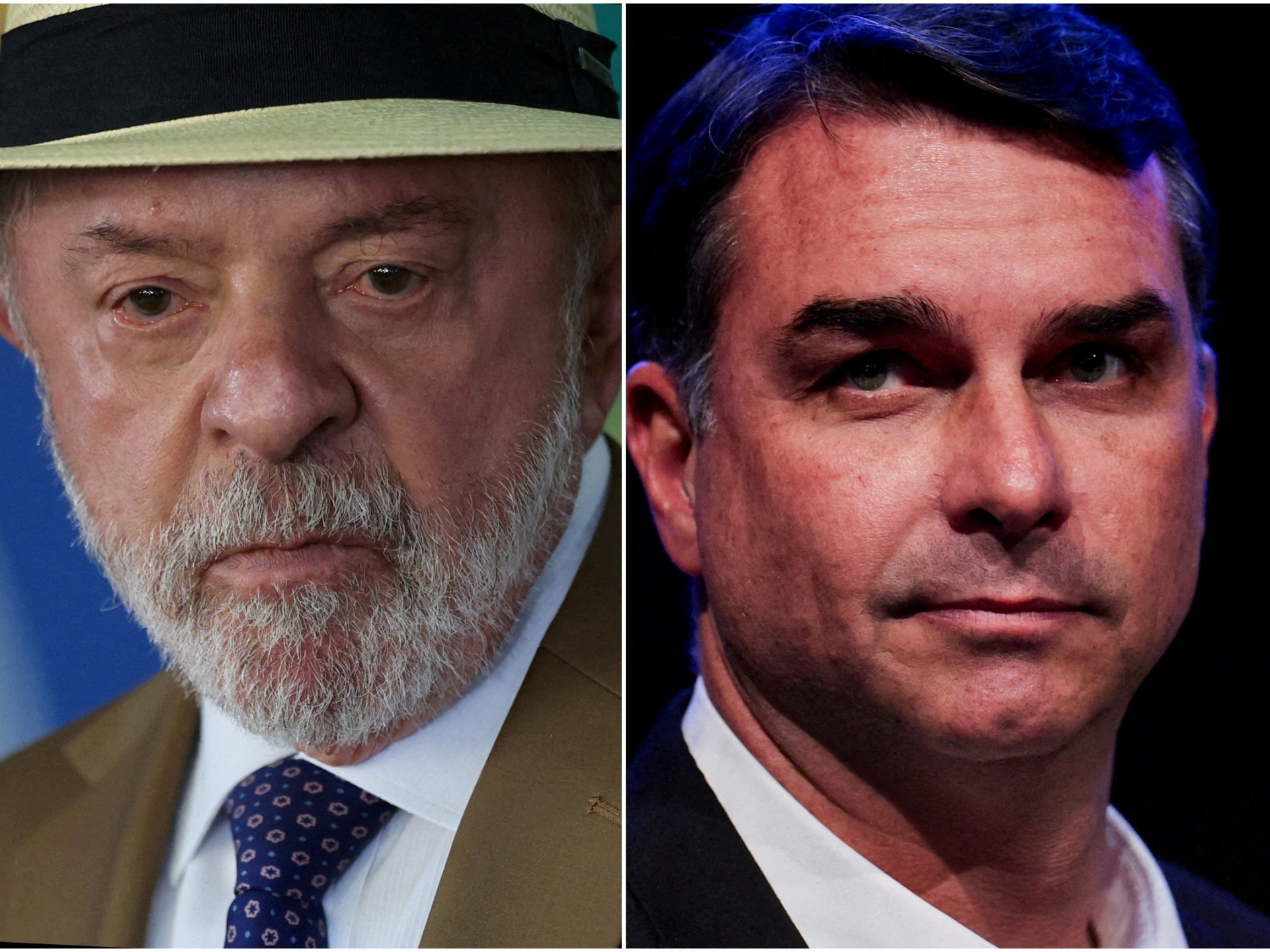
Recent polling data indicates a statistical tie between Brazilian President Luiz Inacio Lula da Silva and Flavio Bolsonaro, heightening political uncertainty for Latin America's largest economy and its key export markets.
Geopolitical & Core Developments
Recent public opinion surveys from Brazil have revealed a persistent and profound political polarization, showing incumbent President Luiz Inacio Lula da Silva and Flavio Bolsonaro locked in a statistical tie. While Lula has registered a modest two-percentage-point uptick in voter preference, the movement remains well within the survey's margin of error, underscoring a deeply divided electorate. This protracted domestic friction reflects broader ideological cleavages across Latin America, where traditional left-right paradigms continue to dictate legislative agendas and executive priorities. For the international community, the lack of a decisive political mandate signals a continuation of domestic legislative gridlock, complicating Brasilia's ability to forge cohesive, long-term foreign policy and domestic structural reforms. State actors across the hemisphere are watching closely as institutional friction between the executive branch, the judiciary, and conservative political factions threatens to consume administrative bandwidth ahead of upcoming electoral cycles.
[Global Trade](/news/trump-invites-putin-miami-g20-geopolitical-economic-impact) & Economic Ripples
As Latin America's largest economy and an agricultural powerhouse, Brazil's political stability is of paramount concern to global commodity markets. The lingering electoral dead heat directly influences investor confidence, capital inflows, and the valuation of the Brazilian real. Currency volatility associated with political uncertainty routinely impacts global pricing mechanisms for critical agricultural exports, including soybeans, iron ore, and beef. International trading houses and multinational corporations operating within the Mercosur bloc must continuously adjust their risk assessments to account for potential shifts in environmental regulation, trade tariffs, and fiscal policy. Furthermore, any prospective change in leadership or legislative alignment could significantly alter Brazil's stance on international trade agreements, particularly ongoing negotiations between South American blocs and European trade partners, thereby rippling through global supply chains.
Related Intelligence: Global Markets and Security Brace as Mass Papal Visit Paralyzes Paris
International Reactions & Diplomatic Stances
Global financial institutions, foreign ministries, and multilateral economic bodies have adopted a cautious wait-and-see posture regarding Brazil's evolving political landscape. International credit rating agencies have underscored that continued political friction could delay necessary fiscal consolidation and tax reforms, potentially impacting the nation's sovereign debt outlook. Meanwhile, diplomatic partners in Washington, Brussels, and Beijing are monitoring how domestic political imperatives might shape Brazil's multilateral engagements, particularly within the BRICS framework and environmental forums. Market analysts emphasize that while foreign direct investment remains anchored by Brazil's robust resource base, prolonged political volatility may prompt capital to seek safer havens across emerging markets until a clearer legislative trajectory emerges.
Strategic Outlook & Future Scenarios
Looking ahead, the trajectory of Brazilian politics will hinge on the ability of both factions to mobilize their respective bases while courting crucial moderate voters. Upcoming regional legislative sessions and fiscal budget debates will serve as critical litmus tests for executive leverage. Geopolitical strategists warn that heightened political competition could lead to increased regulatory unpredictability, particularly concerning energy transition policies and environmental oversight in the Amazon basin—factors that carry immense weight in international climate diplomacy. As global markets brace for ongoing volatility, commercial stakeholders must maintain agile risk management frameworks to navigate potential shifts in trade policy, currency valuations, and regulatory compliance stemming from Brasilia's enduring political stalemate.
Join Our Official WhatsApp Channel
Receive live commodity alerts, policy changes, and commercial intelligence directly on WhatsApp.