
Iran Seeks US Return to Nuclear Framework Ahead of Midterms
Iranian leadership is pressing for a pre-midterm return to diplomatic memorandums, injecting fresh uncertainty into global energy markets and international trade negotiations.
Geopolitical & Core Developments
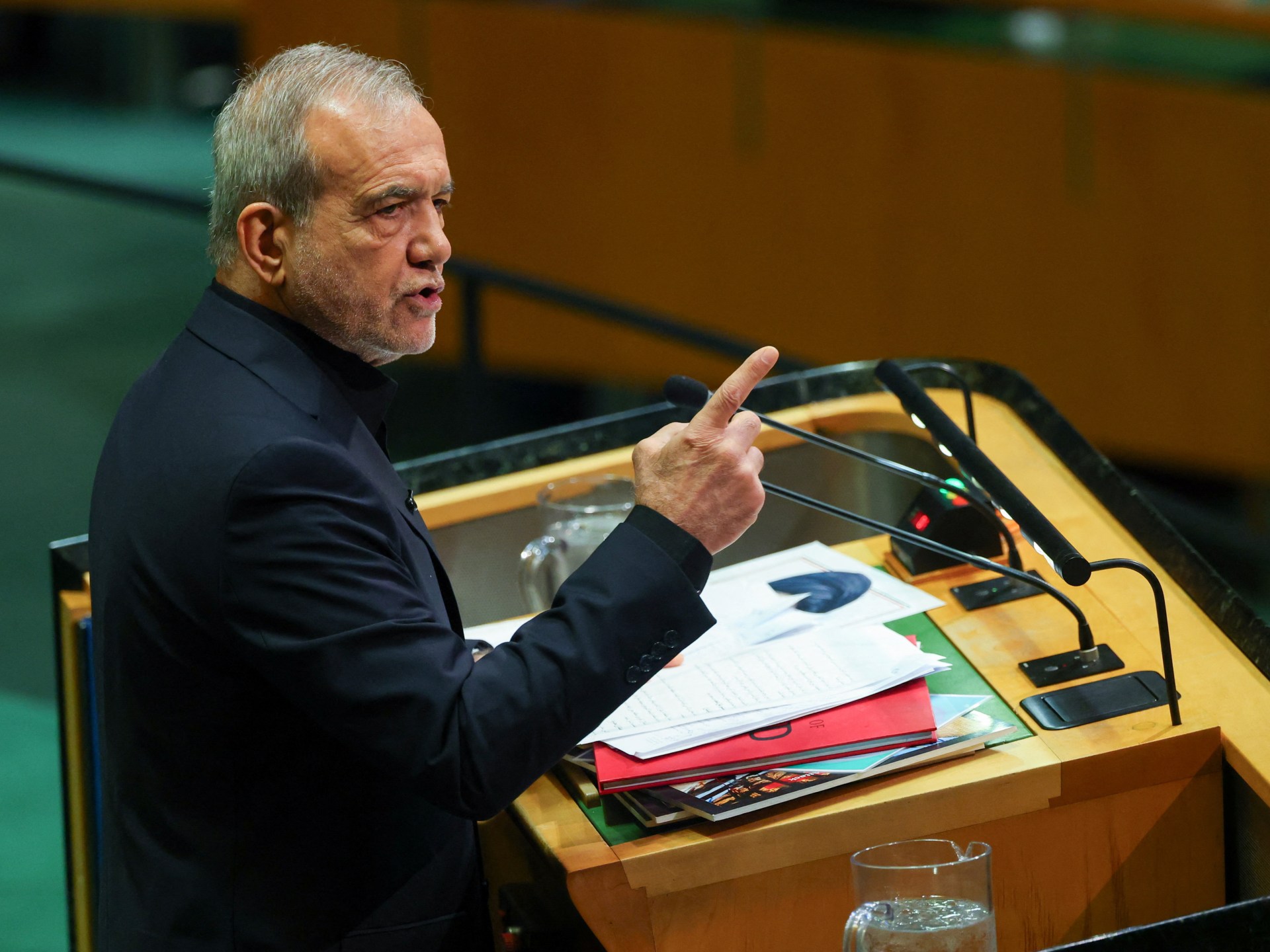
In a significant diplomatic maneuver, Iranian President Masoud Pezeshkian has publicly stated that Tehran expects the United States to re-engage with foundational memorandum understandings (MoU) ahead of the crucial upcoming US midterms in early November. This strategic push comes at a critical juncture for West Asian geopolitics, where regional tensions have consistently threatened broader stability. President Pezeshkian emphasized that a tangible demonstration of commitment from Washington is a prerequisite for any further de-escalation or substantive dialogue regarding regional security architectures. Diplomatic channels, operating primarily through intermediary nations in the Persian Gulf, have intensified discussions to bridge the persistent trust deficit between the two administrations. The timeline presented by Tehran introduces a compressed window for Western policymakers, who must weigh domestic political considerations against the urgent necessity of curbing nuclear escalation and securing regional waterways. State actors across the region are closely monitoring these developments, recognizing that the outcome of these back-channel communications will dictate the diplomatic trajectory for the remainder of the decade.
Global Trade & Economic Ripples
The intersection of diplomacy and commodity markets remains acutely sensitive to developments concerning US-Iran relations. Energy markets reacted immediately to President Pezeshkian's remarks, with Brent crude futures experiencing heightened volatility as traders priced in both the potential for renewed sanctions relief and the persistent risk of supply disruptions. Iran sits atop some of the world's largest hydrocarbon reserves, and any formal reintegration into global trade frameworks would dramatically alter international petroleum flows, particularly concerning key Asian importing nations. Furthermore, shipping lanes across the Strait of Hormuz—through which a significant portion of the world's liquefied natural gas and crude oil transits—remain a critical choke point. Freight and insurance premiums for maritime trade in the Gulf have adjusted upwards to reflect the lingering geopolitical risk premium. Industrial commodity prices, ranging from petrochemical inputs to base metals, are similarly factoring in the potential macroeconomic shocks associated with shifting sanctions regimes and currency fluctuations across emerging markets.
Related Intelligence: Abbey Attack in Poland Shakes Regional Security and Cross-Border Relations
International Reactions & Diplomatic Stances
Global capitals and multilateral institutions have responded to Tehran's overtures with a mixture of cautious optimism and intense scrutiny. United Nations officials have reiterated the necessity of sustained dialogue, emphasizing that compliance with international oversight mechanisms remains the cornerstone of regional economic stability. European Union diplomatic services, acting as historical coordinators for broader nuclear negotiations, have encouraged both Washington and Tehran to utilize the current diplomatic window to establish confidence-building measures. Meanwhile, market analysts and energy consultancy firms are advising corporate stakeholders to maintain robust contingency plans against sudden regulatory shifts. Several regional governments have issued statements welcoming any pathway toward detente, provided it guarantees regional security and safeguards critical maritime trade routes against asymmetric interference. Despite these positive diplomatic noises, skepticism remains deeply entrenched within Western legislative bodies regarding Tehran's long-term compliance and strategic intentions.
Strategic Outlook & Future Scenarios
Looking toward the immediate horizon, the global economy faces a series of binary outcomes contingent upon the diplomatic maneuvering of the next few weeks. If Washington and Tehran manage to establish a preliminary framework or verbal understanding before the November deadline, international markets could witness a swift recalibration of energy pricing and a gradual unfreezing of commercial assets. Conversely, a failure to secure engagement risks a hardening of positions, increased enforcement of secondary sanctions, and a heightened posture of military deterrence in the Persian Gulf. Upcoming international summits will serve as critical barometers for measuring multilateral consensus on the issue. Global logistics firms, institutional investors, and commodity traders must remain vigilant, as the geopolitical landscape in West Asia continues to exert a disproportionate influence on international trade stability and macroeconomic growth.
Join Our Official WhatsApp Channel
Receive live commodity alerts, policy changes, and commercial intelligence directly on WhatsApp.