
Superpower Summit: Washington and Beijing Chart Fragile Diplomatic Course
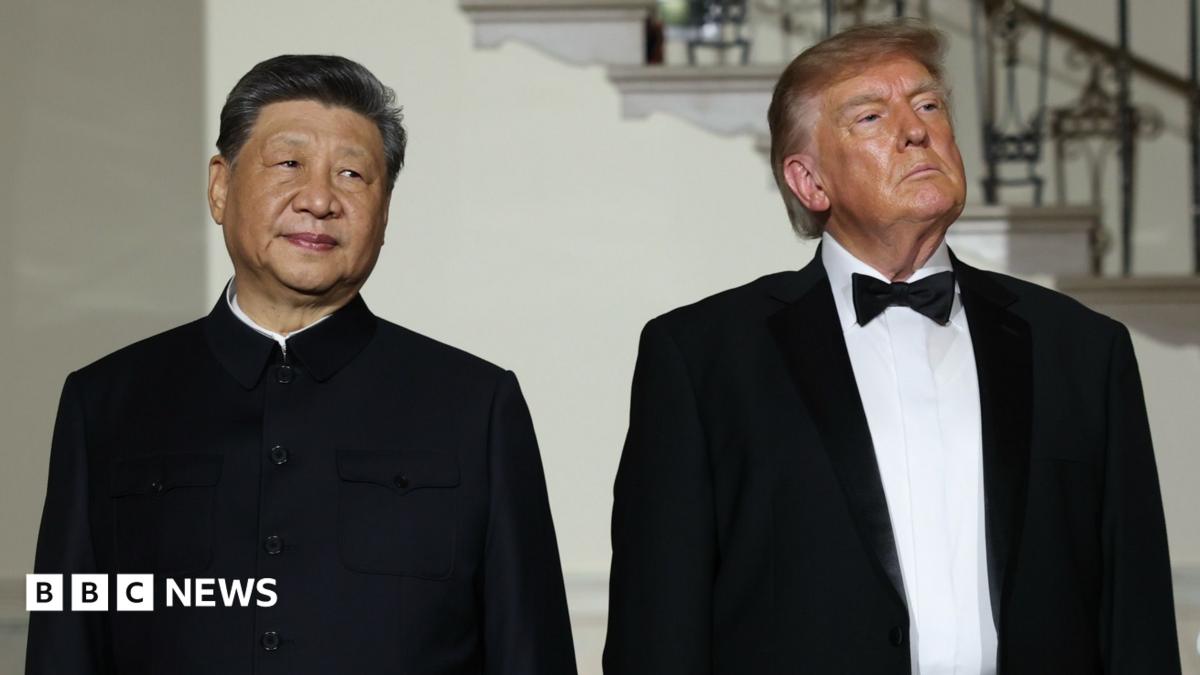
The leaders of the United States and China have concluded a pivotal summit, establishing crucial communication channels while leaving deep structural economic and geopolitical divergences unresolved.
Geopolitical & Core Developments
In a diplomatic engagement closely monitored across international capitals, the leaders of the world's two largest economies met to address a deteriorating security landscape. The high-stakes encounter, dissected by diplomatic analysts and foreign correspondents alike, sought to arrest a downward spiral in bilateral ties characterized by intensifying strategic competition and military posturing in the Indo-Pacific.
At the core of the discussions were persistent flashpoints, notably the sovereignty of Taiwan, freedom of navigation in the South China Sea, and burgeoning technological decoupling. While both administrations acknowledged the imperative of maintaining open lines of military communication to avert accidental conflict, substantive concessions remained elusive. The talks reflected a managed stabilization strategy rather than a fundamental reset, with each side signaling unwavering resolve on core national security priorities while recognizing the catastrophic costs of unconstrained escalation.
Global Trade & Economic Ripples
For global commodity markets and international trade networks, the summit carried immediate implications. Prolonged techno-nationalist policies, including sweeping export controls on advanced semiconductors, critical minerals, and artificial intelligence hardware, have increasingly disrupted traditional supply chains. During the summit, economic delegations probed mechanisms to prevent total fragmentation of the global trading architecture.
Energy markets reacted with cautious stability, monitoring potential impacts on maritime shipping lanes in the Taiwan Strait—a vital artery for global commerce and energy transit. While no immediate rollback of tariffs or trade sanctions was announced, the re-establishment of working-level economic dialogues provides a tentative framework for commercial predictability. Multinational corporations, grappling with complex de-risking mandates, continue to reconfigure manufacturing hubs across Southeast Asia to hedge against ongoing geopolitical volatility.
Related Intelligence: Costa Rica Dismisses Foreign Minister Over Unauthorized US Diplomatic Engagement
International Reactions & Diplomatic Stances
Multilateral institutions and international financial markets responded to the summit with guarded relief. The United Nations welcomed the dialogue as an essential step toward mitigating systemic global risks. Meanwhile, European Union capitals viewed the meeting through the lens of managed competition, hoping that a stabilized US-China relationship would reduce pressure on third-party nations caught in the crossfire of economic coercion.
Market analysts, however, emphasize that structural divergence remains deeply entrenched. Rating agencies and trade bodies noted that while executive-level diplomacy successfully lowered short-term geopolitical temperatures, underlying industrial policies and protectionist measures will continue to shape corporate investment decisions through the medium term.
Strategic Outlook & Future Scenarios
Looking ahead, the durability of this diplomatic thaw will face rigorous testing in the coming months. Upcoming electoral cycles in several key democracies, coupled with ongoing legislative pressures in Washington and Beijing, leave little room for major compromises on industrial policy or national security.
Upcoming multilateral forums and bilateral working groups will serve as critical barometers for whether this summit translates into tangible policy coordination or remains a temporary diplomatic truce. As global supply chains adapt to a permanently altered geopolitical reality, the trajectory of international trade will hinge on the capacity of both superpowers to manage friction without triggering broader economic fragmentation.
Join Our Official WhatsApp Channel
Receive live commodity alerts, policy changes, and commercial intelligence directly on WhatsApp.