
Ethiopian Conflict Escalation Threatens Horn of Africa Stability and Trade
Renewed warfare between the Ethiopian military and Tigrayan forces in Amhara threatens regional stability, key trade routes, and international supply chains.
Geopolitical & Core Developments
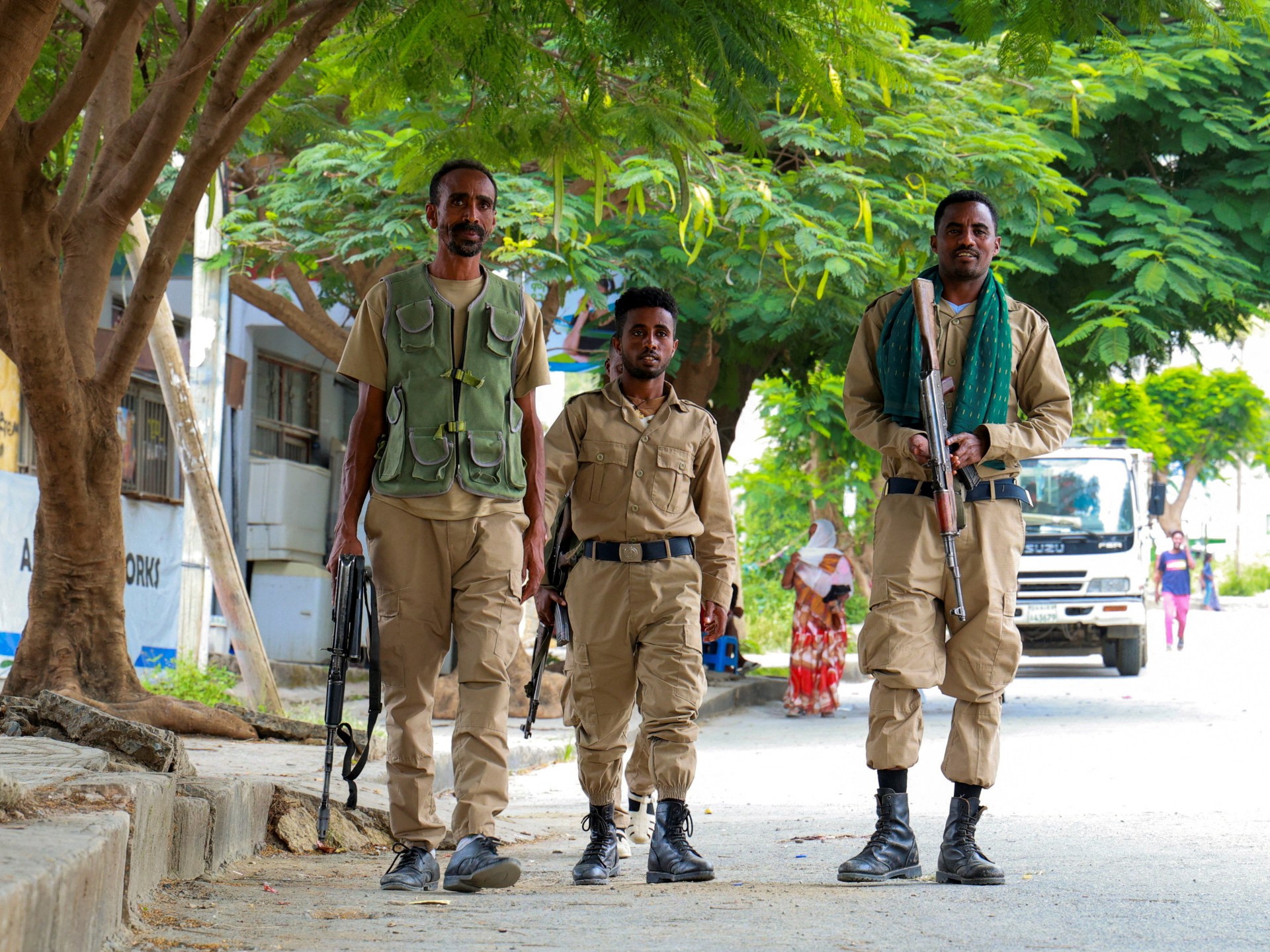
The security landscape in the Horn of Africa has deteriorated sharply following confirmation from the Ethiopian army that 272 Tigrayan fighters were killed during intense clashes in the neighboring Amhara region. This military engagement marks a severe escalation in hostilities, dragging the country back toward large-scale conflict despite previous international efforts to broker lasting peace. The Tigray People's Liberation Front (TPLF) formally acknowledged the breakdown of peace frameworks, declaring that the nation is now in a situation of full-blown war with the federal government under Prime Minister Abiy Ahmed.
The renewed friction stems from unresolved territorial disputes, particularly concerning the contested lands of Western and Southern Tigray, which have been administered by Amhara regional forces since the outbreak of the initial 2020-2022 civil war. Diplomatic channels, which had shown fragile promise following the Pretoria Cessation of Hostilities Agreement, have largely stalled. State actors and regional administrations are increasingly mobilizing security apparatuses, signaling that localized skirmishes have transformed into a coordinated, multi-front military confrontation with profound implications for the federal state's territorial integrity.
[Global Trade](/news/trump-invites-putin-miami-g20-geopolitical-economic-impact) & Economic Ripples
While Ethiopia is landlocked, its strategic position as the political and logistical hub of East Africa means that prolonged internal conflict carries severe commercial consequences. The resurgence of warfare directly impacts domestic agricultural production, particularly in the fertile highlands of Amhara and Tigray, threatening staple crop yields and exacerbating regional food insecurity. Furthermore, trade corridors linking landlocked Ethiopia to major Red Sea ports in Djibouti remain vulnerable to security disruptions, potentially inflating logistics costs and delaying regional freight forwarding.
Global commodity markets are closely monitoring the situation for broader macroeconomic fallout across East Africa. Foreign direct investment into Ethiopia's nascent manufacturing, telecommunications, and energy sectors faces immediate headwinds as international firms reassess sovereign risk profiles. Currency pressures on the Ethiopian birr are expected to intensify as foreign exchange reserves are increasingly diverted toward military expenditures rather than debt servicing or essential import financing, dampening broader commercial expansion across the Common Market for Eastern and Southern Africa (COMESA) trading bloc.
Related Intelligence: Australia Unveils Major OpenAI Breach on Global Stage at United Nations
International Reactions & Diplomatic Stances
International bodies and Western capitals have expressed profound alarm over the resumption of hostilities. United Nations officials have called for an immediate cessation of violence and unrestricted humanitarian access to conflict-affected zones, warning that millions of civilians remain vulnerable to displacement and severe food shortages. The African Union, which mediated the Pretoria accord, has urged both federal authorities and regional leadership to return to the negotiating table, emphasizing that military solutions will only yield catastrophic humanitarian and economic outcomes.
Market analysts and geopolitical risk consultancies note that international diplomatic leverage has weakened significantly amid competing global crises. Traditional bilateral donors are hesitant to disburse macro-financial assistance without verified commitments to human rights compliance and demobilization. Consequently, the Ethiopian government faces mounting external financial constraints even as domestic defense spending escalates, complicating ongoing negotiations with international financial institutions regarding sovereign debt restructuring.
Strategic Outlook & Future Scenarios
Looking ahead, the trajectory of the conflict points toward protracted instability rather than a decisive military victory for either faction. The hardening of positions between federal forces, Amhara regional militias, and Tigrayan combatants suggests that guerrilla warfare and asymmetric skirmishing could persist, draining state resources and paralyzing regional economic integration. Upcoming multilateral summits will likely focus on emergency humanitarian funding and renewed coercive diplomacy, though immediate prospects for binding ceasefires remain bleak.
Escalation points to watch include potential spillover effects into neighboring Eritrea and Somalia, which could internationalize the conflict and severely disrupt vital maritime trade lanes in the Bab el-Mandeb strait. For global traders and multinational corporations operating in East Africa, risk mitigation strategies must account for prolonged supply chain bottlenecks, heightened security overheads, and potential sanctions should humanitarian conditions deteriorate further.
Join Our Official WhatsApp Channel
Receive live commodity alerts, policy changes, and commercial intelligence directly on WhatsApp.