
Qatar Warns Global Energy Fallout From Iran Conflict Has Not Peaked
Qatar's leadership has issued a stark warning that global energy shockwaves stemming from tensions with Iran are poised to intensify, calling for urgent diplomatic intervention to safeguard critical maritime corridors.
Geopolitical & Core Developments
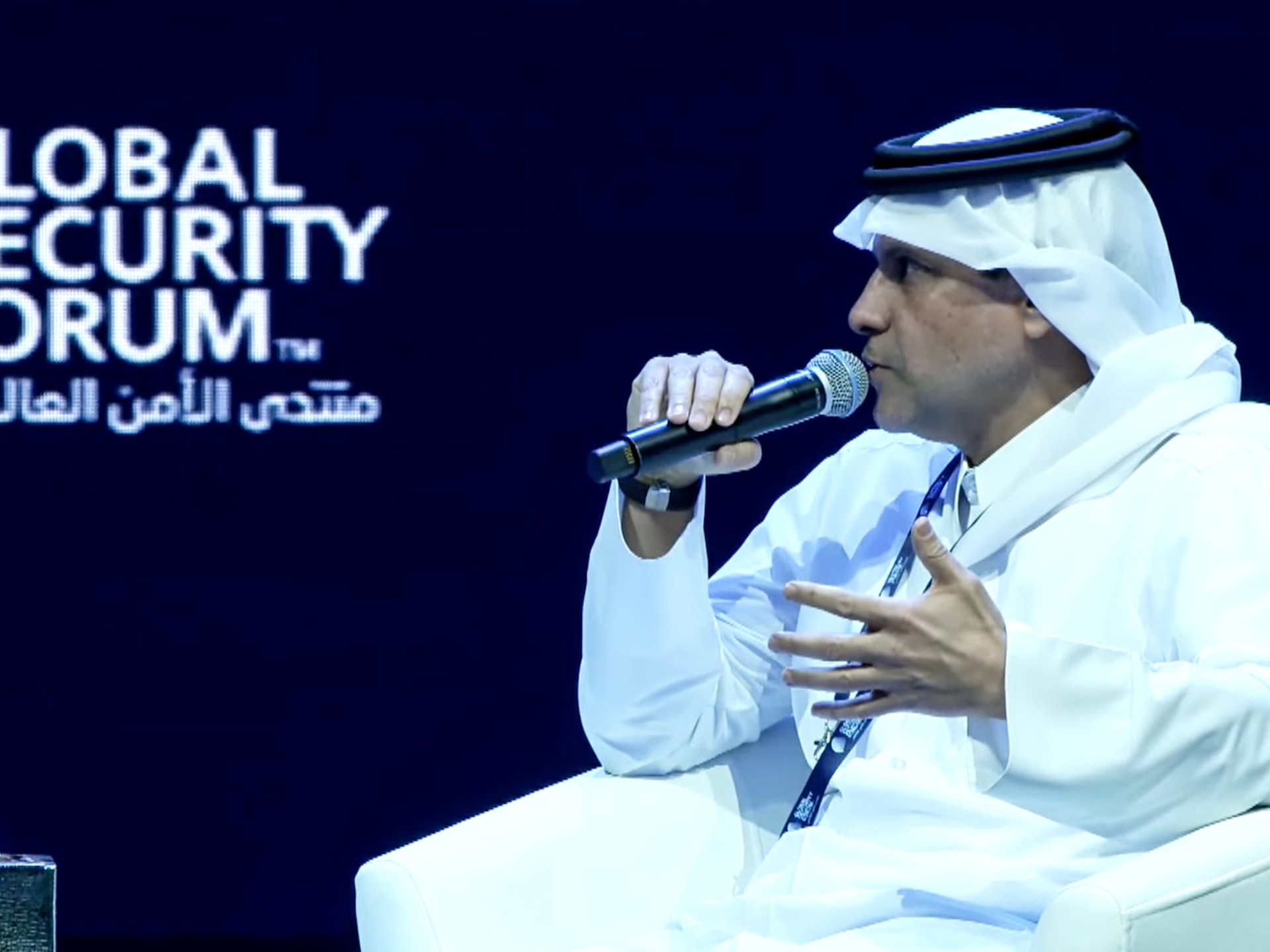
Qatar has issued an urgent diplomatic and economic assessment regarding regional hostilities involving Iran, cautioning that the ultimate shockwaves to global energy systems and supply architecture have yet to reach their peak. Speaking on international security and regional cohesion, Qatar's Deputy Prime Minister underscored the fragility of the current status quo, urging swift diplomatic engagement with Tehran to defuse an escalating confrontation that threatens hydrocarbon flows from the Persian Gulf.
Doha emphasized its dual positioning: maintaining robust defense and security partnerships with the United States while pursuing active mediation channels across regional capitals. Amid speculative maneuvers and heightened rhetoric surrounding maritime access, Qatari authorities unequivocally dismissed proposals advocating for unilateral transit fees or jurisdictional overreach across the Strait of Hormuz. International maritime law and freedom of navigation through the strategic chokepoint remain non-negotiable legal imperatives for both Gulf exporters and net-importing economies in Asia and Europe.
Global Trade & Economic Ripples
The strategic ramifications for global commodities are profound. The Persian Gulf handles over twenty percent of global petroleum liquids and a substantial fraction of liquefied natural gas (LNG), with Qatar standing as a linchpin supplier to European and East Asian utilities. Any structural disruption to passage through Hormuz would instantly inject unprecedented risk premiums into front-month Brent crude and European benchmark Title Transfer Facility (TTF) gas contracts.
Beyond direct commodity pricing, the commercial maritime sector faces escalating war-risk insurance premiums, rerouting penalties, and broader logistical friction. Cargo underwriters have already begun adjusting terms for vessels operating in adjacent gulf waters, elevating landed costs for industrial consumers. Net-energy importing developing economies, already balancing foreign exchange constraints and inflationary pressures, remain uniquely exposed to sustained disruptions in Gulf seaborne freight, compounding macroeconomic volatility across emerging markets.
Related Intelligence: Alberta Referendum Debate Stirs Energy Markets and Canadian Unity Concerns
International Reactions & Diplomatic Stances
Multilateral bodies and major sovereign stakeholders have echoed Doha's concerns, emphasizing the catastrophic economic consequences of unchecked escalation. Market analysts at leading energy consultancies note that spare production capacity outside the Organization of the Petroleum Exporting Countries (OPEC) remains insufficient to offset any sustained curtailment of Gulf flows. The European Union and the United Nations have issued repeated calls for restraint, urging all regional and extra-regional powers to prioritize maritime stability.
In Washington, defense officials reaffirmed bilateral commitments to Gulf security frameworks, highlighting coordinated naval patrols designed to guarantee unimpeded commercial transit. Conversely, Tehran maintains that Western militarization in regional waters undermines sovereign sovereignty and regional security pacts. Qatari intermediaries, however, stress that only structured multilateral dialogue—rather than defensive deterrence alone—can dismantle the cycle of retaliatory maneuvers currently paralyzing Gulf logistics.
Strategic Outlook & Future Scenarios
The trajectory of regional energy security hinges on three critical factors over the coming quarters: diplomatic containment, sanctions enforcement, and maritime resilience. Should low-intensity skirmishes or proxy strikes spill over into commercial vessel interdictions, global energy markets could face a structural supply deficit that strategic petroleum reserves cannot permanently bridge.
Upcoming diplomatic forums, including bilateral Gulf-Asian trade meetings and United Nations engagements, will serve as bellwethers for potential de-escalation frameworks. Without institutionalized mechanisms for de-confliction in the Strait of Hormuz, global markets must prepare for sustained baseline volatility, supply chain rerouting, and structurally higher energy costs across consumer economies.
Join Our Official WhatsApp Channel
Receive live commodity alerts, policy changes, and commercial intelligence directly on WhatsApp.