
Karachi Heatwave Risk Persists as Met Office Forecasts Above-Normal November Temperatures
Karachi faces unseasonably hot and dry conditions throughout November, according to the Pakistan Meteorological Department, creating supply chain disruptions and delaying seasonal shifts across wholesale and retail markets.
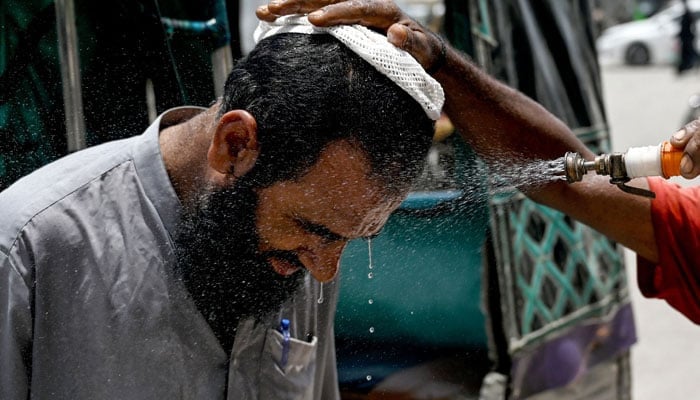
The Core Development
The Pakistan Meteorological Department (PMD) has issued a meteorological assessment projecting that hot and dry weather will persist across Karachi well into November, maintaining daily temperatures noticeably above seasonal norms. Atmospheric readings indicate that low-pressure systems over central Pakistan, combined with suspended sea breezes, are channeling warm, dry continental winds into the metropolitan corridor. Highs are projected to hover between 35 and 38 degrees Celsius through the end of the week, with night temperatures offering minimal cooling relief.
Chief meteorologists in Sindh noted that the typical autumn-to-winter climate transition has faced severe disruptions due to regional weather anomalies and protracted anticyclonic activity. The prolonged dry spell has suppressed the standard drop in evening mercury, compounding urban heat island effects across densely built-up commercial districts such as Saddar, SITE industrial area, and Korangi. Public health and municipal authorities have cautioned vulnerable populations against midday exposure as thermal intensity remains elevated far past conventional seasonal baselines.
Commercial & Economic Implications
The persistence of elevated temperatures carries tangible micro- and macroeconomic implications for Karachi's retail ecosystem and broader logistics channels. The most immediate friction is observed in wholesale textile markets, where distributors typically transition inventories from summer cottons to autumn and winter apparel by early November. Retailers report sluggish turnover for early winter collections as consumers defer purchases, straining cash flows and tying up capital in seasonal stock.
Concurrently, cold-chain transport networks face extended operational stress. Logistics operators managing the transit of dairy, fresh produce, and pharmaceutical cargo across the port city report higher reefer fuel consumption to maintain requisite storage temperatures. Energy demand also diverges sharply from historical planning assumptions. Industrial estates and commercial establishments continue running heavy cooling loads, inflating electricity bills during an operational window when firms typically forecast utility savings. For FMCG distributors, prolonged demand for packaged beverages and ice products provides short-term volume support, though offset by heightened refrigeration overheads.
Related Intelligence: WFP Slashes Gaza Food Aid for 500,000 Amid Critical Funding Deficit
Stakeholder Perspectives & Market Reactions
Trade bodies representing Karachi's commercial hubs have voiced concern regarding the commercial distortions caused by prolonged heatwaves. Representatives from the Karachi Wholesale Grocers Association indicated that perishables, including tomatoes, onions, and leafy vegetables arriving from agricultural districts in interior Sindh and Balochistan, are suffering higher post-harvest transit losses due to dry thermal conditions, prompting minor price volatility in spot produce markets.
On the energy front, small business federations have reiterated the need for reliable distribution, cautioning that unseasonal peak loads risk triggering localized feeder trips in high-density bazaars. Public health experts have also urged the provincial administration to ensure hydration points remain active in primary trade corridors, warning that occupational heat stress among daily-wage laborers and transport workers lowers overall productivity across key logistics nodes.
Forward Outlook & Key Watchpoints
The primary watchpoint over the coming ten days remains the timing and strength of the winter monsoon shift and the eventual restoration of maritime breezes. Analysts anticipate that baseline temperatures will only stabilize toward seasonal averages following an active westerly wave, which is not projected to impact southern Pakistan until late November at the earliest.
Retailers are closely monitoring inventory holding durations, with department stores likely to offer targeted promotional discounts if autumn-winter clearance is substantially delayed. Concurrently, utility planners and provincial disaster management authorities must calibrate load forecasts and water-distribution schedules to mitigate pressure on municipal infrastructure through the remainder of this uncharacteristic late-season heat spell.
Join Our Official WhatsApp Channel
Receive live commodity alerts, policy changes, and commercial intelligence directly on WhatsApp.