
Pakistan Weighs Military Assistance to Yemen Coalition Amid Houthi Escalation
Pakistan signaled openness to reviewing potential military support for the Yemen conflict following heightened regional security concerns and cross-border Houthi attacks against Saudi Arabia.
The Core Development
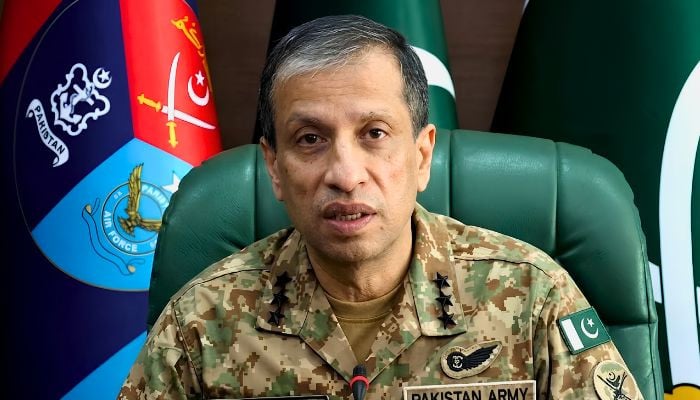
Pakistan's military leadership has indicated that the state could reassess its posture regarding assistance in the Yemen conflict should a formal request be forwarded by allied partners. Speaking on strategic defense parameters, the Inter-Services Public Relations (ISPR) director general noted that while Pakistan maintains a principled position on regional sovereignty and diplomatic resolution, national commitments to the security of the Kingdom of Saudi Arabia remain absolute. The remarks follow an uptick in cross-border missile and drone strikes targeting critical infrastructure, civil facilities, and commercial hubs within Saudi borders by Houthi insurgents.
Historically, Pakistan declined direct deployment of ground forces into the Yemen theatre following a landmark parliamentary resolution in 2015 that mandated strict neutrality. However, the operational baseline has shifted toward defensive cooperation, counter-terrorism advisory roles, and joint training missions. Officials in Islamabad emphasize that any operational transition would focus squarely on deterring attacks on Saudi sovereignty, maintaining the integrity of Holy Sites, and contributing to maritime stability in the adjacent Red Sea and Arabian Gulf waterways.
Commercial & Economic Implications
For Pakistan's fragile macroeconomy, strategic alignment in the Middle East carries direct ramifications for domestic retail trade, energy prices, and wholesale distribution networks. Saudi Arabia serves as Pakistan's primary source of crude petroleum and refined fuels, often facilitated through deferred payment structures that alleviate severe pressure on state foreign exchange reserves. Any operational escalation that disrupts Arabian Gulf maritime transit or strains bilateral financial arrangements could trigger an immediate spike in landed fuel costs.
Domestic wholesale markets and the consumer goods segment in Pakistan are uniquely sensitive to energy volatility. An increase in international oil prices driven by heightened Gulf conflict rapidly translates into higher transport freight rates, elevated agricultural input costs, and broad consumer price index (CPI) inflation. Furthermore, the Red Sea corridor represents a vital artery for Pakistani exports of textiles, leather, and grain bound for Europe. Rerouted shipping and surging marine war-risk insurance premiums threaten to compress exporter margins, squeeze local working capital, and inflate retail prices across urban markets.
Related Intelligence: French Unrest Triggers Supply Chain Jitters Amid European Economic Disruption
Stakeholder Perspectives & Market Reactions
The prospective recalibration has generated focused scrutiny across Pakistan's corporate, industrial, and diplomatic sectors. The Federation of Pakistan Chambers of Commerce and Industry (FPCCI) and major trade bodies have voiced concern over the knock-on effects of regional instability on supply chains. Business leaders emphasize that domestic industrial recovery relies heavily on energy stability and foreign remittance flows, with over 2.7 million Pakistani expatriates residing in Saudi Arabia sending back more than $7 billion annually.
Conversely, geopolitical analysts and constitutional legal experts suggest that while direct troop deployments into active foreign combat zones remain legally contentious, expanded defensive and logistical cooperation does not breach parliamentary mandates. Diplomatic circles maintain that bilateral security assurances are essential for securing future capital injections, investments in the refinery sector, and bilateral balance-of-payments support from Gulf Cooperation Council (GCC) partners.
Forward Outlook & Key Watchpoints
Moving forward, the primary watchpoint will be whether Riyadh issues a formal bilateral defense request and how the civilian government in Islamabad seeks to formalize any expanded mandate through the National Security Committee. Observers will also monitor whether defense cooperation manifests as direct operational deployments, expanded logistical backstopping, or enhanced air-defense technical advisory teams.
Over the coming quarters, regional maritime security developments will heavily dictate domestic market sentiment. Traders and corporate planners in Pakistan must monitor crude futures, domestic fuel tariff adjustments, and currency fluctuations tied to Gulf financing tranches. Sustaining neutrality while assuring Gulf partners of defensive support will require careful diplomatic stewardship to shield Pakistan's fiscal profile and consumer retail markets from external shocks.
Join Our Official WhatsApp Channel
Receive live commodity alerts, policy changes, and commercial intelligence directly on WhatsApp.