
Israeli Police Arrest Ten Following Settler Assaults on Diplomats and Media
Israeli police have detained ten suspects following violent settler assaults targeting international diplomats and journalists in the West Bank, drawing rare public commendations from United States diplomatic leadership.
Geopolitical & Core Developments
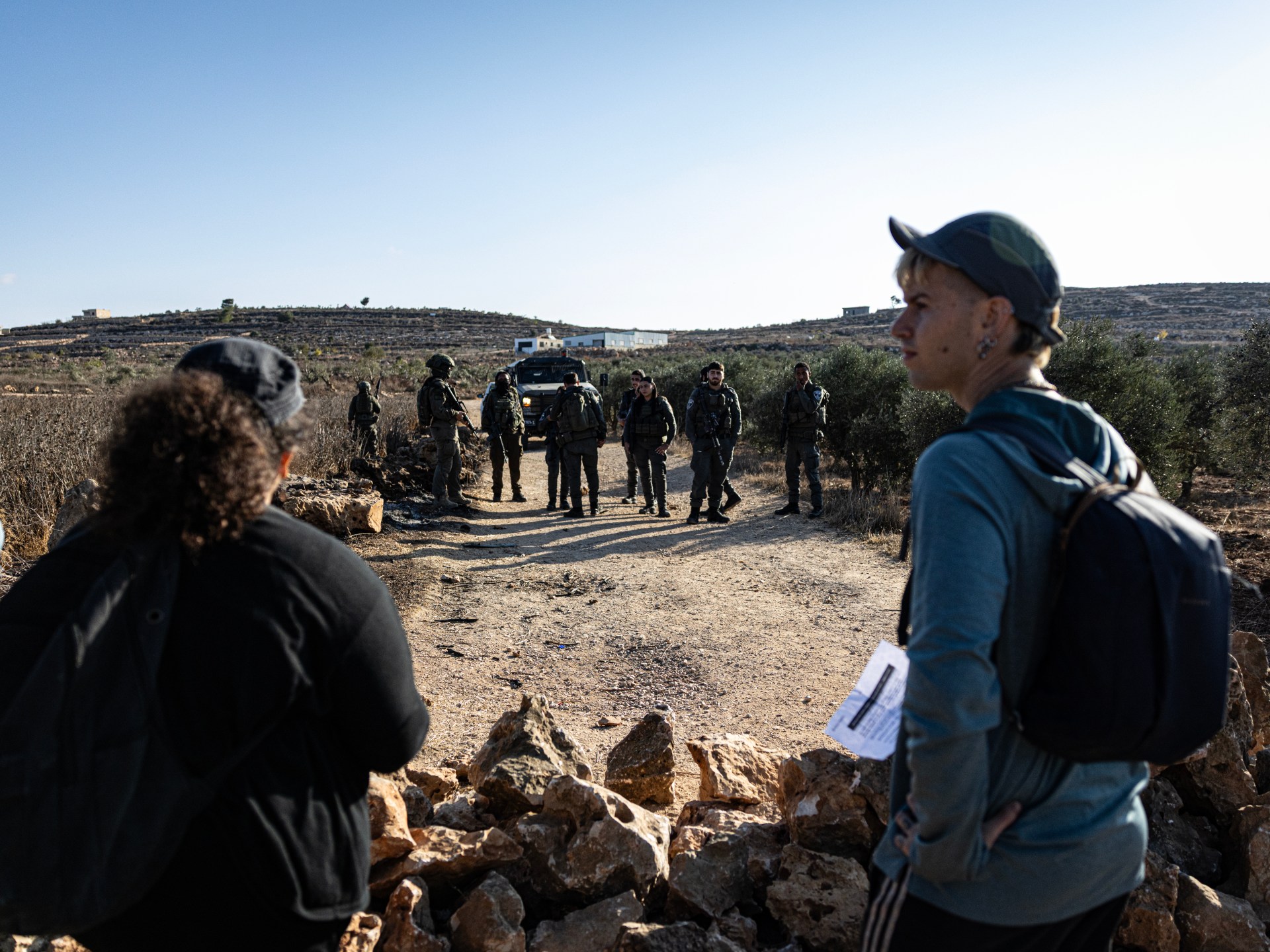
Israeli law enforcement authorities have confirmed the detention of ten individuals in connection with violent confrontations and assaults directed at foreign diplomats and accredited journalists operating in the occupied West Bank. The incidents, which unfolded amid escalating friction across contested territories, involved coordinated harassment and physical violence by radicalized Israeli settlers attempting to deter international observation and reporting on ground conditions.
The intervention of state security forces marks a pivotal moment in an operational environment where settler violence has historically faced accusations of official impunity. According to security sources, the targeted delegation included foreign diplomatic personnel conducting field assessments alongside media professionals documenting localized land disputes and community displacements. The targeted nature of the attacks against protected international emissaries and press personnel immediately elevated the incident from a local policing issue to a contentious diplomatic file between Tel Aviv and Western capitals.
Global Trade & Economic Ripples
While the direct theatre of conflict remains geographically localized, the escalating friction across the West Bank feeds broader systemic risks across Mediterranean and Middle Eastern trade corridors. The persistent volatility within the Palestinian territories exerts secondary pressures on regional infrastructure projects, including planned land corridors connecting Gulf Cooperation Council economies to the Mediterranean coastline. International insurers have continued to maintain elevated political risk premiums for Levant-based commercial logistics, increasing transit overhead for dry bulk shipping and consumer goods flowing through regional hubs.
Furthermore, heightened regional geopolitical friction introduces persistent risk premiums into global energy pricing. Brent crude benchmarks remain acutely sensitive to domestic escalation in Israel and the Palestinian territories due to the risk of cross-border contagion involving regional actors. A broader breakdown of law and order within the West Bank complicates bilateral commercial pacts, dampening cross-border investment flows and delaying capital deployment into joint renewable energy and water management initiatives across the Jordan River basin.
Related Intelligence: Qatar Warns Global Energy Fallout From Iran Conflict Has Not Peaked
International Reactions & Diplomatic Stances
The coordinated detentions elicited swift commentary from Washington. United States Ambassador to Israel Mike Huckabee characterized the law enforcement actions on social media as a very positive development, signaling American expectations that the judicial follow-through must remain rigorous. Western diplomatic missions in Jerusalem and Tel Aviv reiterated that the safety of diplomatic personnel and the protection of independent journalism remain fundamental tenets under international conventions, including the Vienna Convention on Diplomatic Relations.
Multilateral bodies, including representatives from the United Nations Office for the Coordination of Humanitarian Affairs, echoed these sentiments, urging Israeli authorities to dismantle systemic networks enabling settler extremism. Conversely, hardline factions within Israel's domestic governing coalition voiced skepticism regarding the crackdown, warning security agencies against disproportionate measures targeting Israeli citizens in Judea and Samaria, thereby exposing domestic political fractures over security governance.
Strategic Outlook & Future Scenarios
Moving forward, the trajectory of West Bank stability depends heavily on the judicial outcomes of these detentions. Should the Israeli legal apparatus pursue substantive indictments and custodial sentences, it may establish a baseline deterrent against recurring harassment of foreign observers. However, if the arrests prove ephemeral without formal prosecution, diplomatic friction between Tel Aviv and European and North American allies will predictably intensify.
Looking ahead, Western governments are increasingly considering unilateral punitive measures, including expanding targeted financial sanctions and travel bans against violent extremist entities and non-compliant organizations in the region. Upcoming bilateral summits and United Nations General Assembly sessions are expected to maintain formal oversight on West Bank rule-of-law metrics, positioning accountability for civilian and diplomatic protection as a critical diplomatic prerequisite for broader regional normalization frameworks.
Join Our Official WhatsApp Channel
Receive live commodity alerts, policy changes, and commercial intelligence directly on WhatsApp.