
Alberta Referendum Debate Stirs Energy Markets and Canadian Unity Concerns
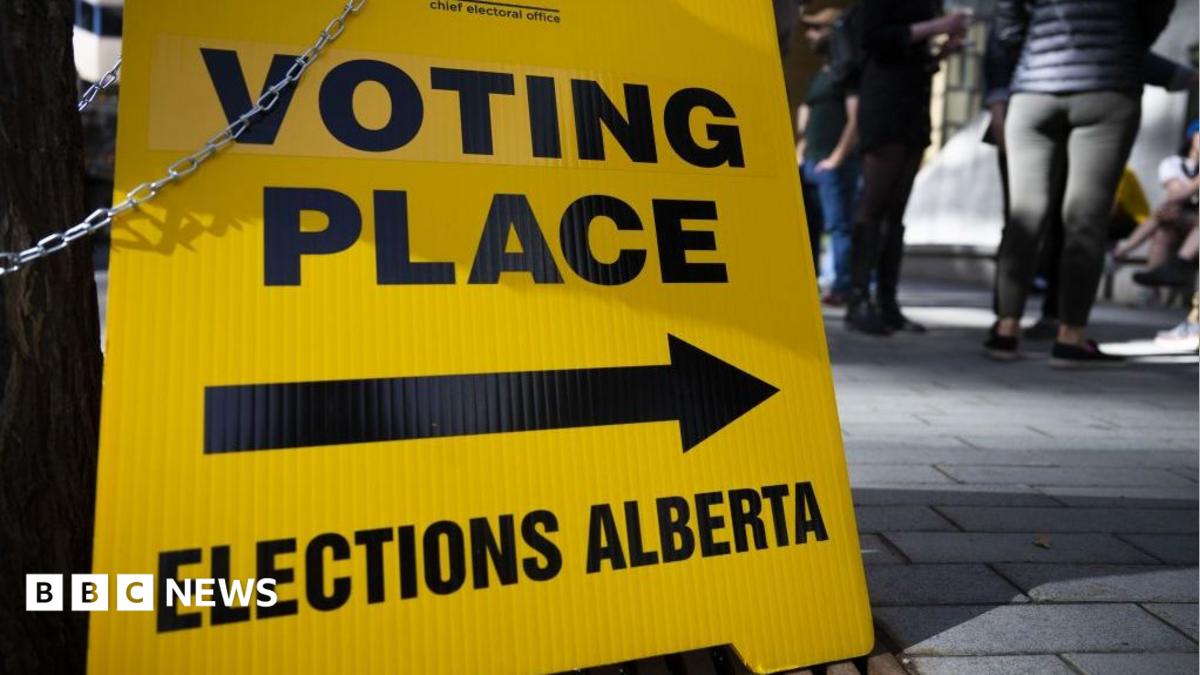
Albertans cast ballots on whether to explore separation from Canada, a high-stakes political challenge testing national cohesion and threatening disruptions across North American energy supply chains.
Geopolitical & Core Developments
Voters across the western Canadian province of Alberta have engaged in a pivotal electoral process to determine whether the regional government should advance toward a formal independence referendum. The initiative reflects years of escalating friction between Edmonton and the federal administration in Ottawa over natural resource governance, constitutional jurisdiction, and wealth redistribution via Canada's federal equalization framework. Alberta, home to approximately 4.8 million residents, represents the economic engine of Canada's resource sector, possessing the third-largest proven crude oil reserves globally.
While public opinion surveys consistently indicate that a clear majority of Albertans favor remaining within the confederation, the formalization of the separatist platform represents a significant domestic crisis for Prime Minister Justin Trudeau's government. The debate has been amplified by Premier Danielle Smith's United Conservative Party, which has aggressively challenged federal legislative authority through the Alberta Sovereignty Within a United Canada Act. Proponents of separation argue that federal policies, particularly stringent environmental regulations and carbon taxation schemes, disproportionately handicap the province's hydrocarbon-based economy. Conversely, federal loyalists warn that any formal steps toward dissolution would precipitate protracted constitutional instability and isolate the landlocked territory economically.
Global Trade & Economic Ripples
The commercial implications of political instability in Alberta extend directly into international commodity markets and North American trade infrastructure. Alberta produces more than 80 percent of Canada's total crude output, exporting roughly four million barrels per day, predominantly to refineries situated in the United States Midwest and Gulf Coast. Heightened political volatility introduces fresh uncertainty for cross-border pipeline networks, including the recently expanded Trans Mountain pipeline and critical Enbridge arteries, which are essential for global heavy crude pricing.
Energy sector analysts caution that talk of secession risks dampening capital expenditure across the Western Canadian Select (WCS) basin. Institutional investors, already navigating federal net-zero mandates, face added regulatory ambiguity regarding lease rights, interprovincial transport agreements, and cross-border customs arrangements. Furthermore, the Canadian dollar demonstrated vulnerability, reflecting institutional unease over the potential fragmentation of the world's ninth-largest economy. A protracted dispute could also disrupt bilateral agreements under the United States-Mexico-Canada Agreement (USMCA), given Alberta's vital role in supplying agricultural goods, petrochemicals, and critical minerals to North American industrial supply chains.
Related Intelligence: Minority Parties Hold Strategic Leverage in Crucial Israeli General Election
International Reactions & Diplomatic Stances
International observers and financial institutions have closely monitored the proceedings with guarded concern. In Washington, policymakers within the United States Department of State and Department of Energy have refrained from official interference in domestic Canadian affairs, though diplomatic cables indicate sustained interest in preserving uninterrupted energy supply corridors across the northern border. Cross-border trade groups have underscored that any disruption to integrated logistics or tariff-free energy transit would exacerbate inflationary pressures across northern industrial hubs.
Credit rating agencies, including Moody's and S&P Global, have noted that while an immediate rupture remains an outlier scenario, persistent political confrontation undermines fiscal predictability for sub-sovereign debt issuances. European trade delegates have also registered interest, primarily due to recent multilateral agreements aimed at securing Canadian liquefied natural gas and hydrogen exports to offset the structural loss of Russian energy imports following the war in Ukraine.
Strategic Outlook & Future Scenarios
The immediate trajectory suggests that institutional barriers and broad voter pragmatism will likely curtail an outright push for full sovereignty. The legal precedent set by the Supreme Court of Canada's 1998 Reference Re Secession of Quebec establishes that unilateral secession is unconstitutional, requiring a clear majority on an unambiguous question, followed by comprehensive constitutional negotiations with all provinces and Indigenous First Nations.
Nevertheless, the ballot serves as a formidable political lever for Alberta's leadership to extract concessions from Ottawa regarding environmental exemptions, federal transfer payments, and judicial appointments. In the medium term, markets should anticipate continued political brinkmanship surrounding the federal emissions cap for the oil and gas sector. Investors must factor in persistent regulatory divergence between federal authorities and western provinces, which will continue to define Canadian economic governance leading into the next federal general election cycle.
Join Our Official WhatsApp Channel
Receive live commodity alerts, policy changes, and commercial intelligence directly on WhatsApp.