
Kenya Cult Tragedy Verdict Stirs Judicial and Regional Security Concerns
Kenyan judicial authorities approach a landmark verdict in the Shakahola forest mass starvation trial, highlighting critical regulatory and security vulnerabilities across East Africa.
Geopolitical & Core Developments
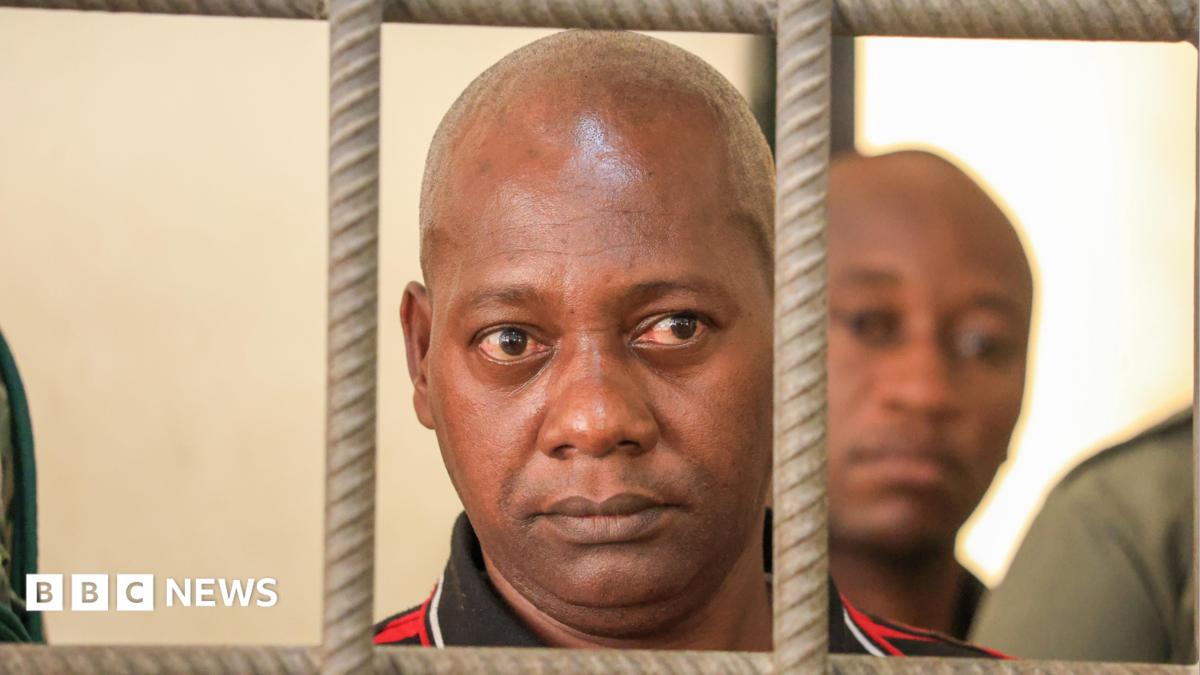
The judicial proceedings surrounding Kenyan pastor Paul Mackenzie and the Good News International Ministries have reached a decisive juncture in Mombasa and Malindi courts. Prosecutors have presented comprehensive evidence alleging that Mackenzie orchestrated the systematic starvation deaths of hundreds of followers, including dozens of children, in the remote Shakahola forest of Kilifi County. Significantly, state prosecutors detailed that Mackenzie continued to direct operations and incite lethal adherence to his apocalyptic doctrines via smuggled notes dispatched directly from his prison cell during pretrial detention.
The unfolding judicial reckoning follows the exhumation of over 440 bodies from mass graves in 2023 and 2024, representing one of the deadliest cult-related mass casualties in contemporary African history. For the administration of President William Ruto, the case is not merely a domestic criminal proceeding but a profound test of state sovereignty, internal intelligence apparatuses, and institutional oversight. The government faces mounting scrutiny over systemic failures within local administration and territorial security services, which permitted extensive, clandestine encampments to operate unhindered across several hundred acres of coastal hinterland for years.
Global Trade & Economic Ripples
While the direct operational fallout of the Shakahola proceedings is concentrated within Kenya's domestic legal sphere, the broader macro-level ramifications are reverberating across regional trade and foreign direct investment corridors. Kenya serves as the undisputed financial, logistical, and commercial hub of East Africa, anchoring the Northern Corridor transport network that connects the port of Mombasa to landlocked economies including Uganda, Rwanda, South Sudan, and eastern Democratic Republic of Congo.
The exposure of administrative and security blind spots in coastal Kilifi County has heightened risk premiums for cross-border logistics and commercial agriculture operations in the coastal belt. Institutional reforms triggered by the disaster are leading to heightened regulatory compliance costs for international non-governmental organizations, philanthropic capital, and faith-based developmental funds operating in East Africa. Multilateral donors and global development finance institutions are reassessing operational frameworks, anticipating stricter statutory reporting requirements, financial auditing, and security clearances that could decelerate capital deployment in regional rural development programs.
Related Intelligence: Security Operations in Balochistan Intensify Amid Growing Regional Trade Concerns
International Reactions & Diplomatic Stances
International human rights bodies, regional coalitions, and multilateral organizations have observed the legal proceedings with heightened vigilance. The United Nations human rights monitors have urged Nairobi to balance necessary institutional regulation of religious organizations with the preservation of constitutional freedoms of worship and association. International legal analysts underscore that the state's capacity to deliver transparent, due-process convictions under existing terrorism, murder, and child cruelty statutes will serve as a bellwether for judicial independence across the African Union.
Western diplomatic missions in Nairobi, including representatives from the European Union and the United States, have maintained discreet engagement with Kenyan authorities. Bilateral partners emphasize the strategic imperative of hardening local security infrastructure against non-state extremist networks, drawing parallels between cultist radicalization mechanisms and violent extremist recruitment patterns active along the wider Swahili coast.
Strategic Outlook & Future Scenarios
Moving forward, the impending verdicts will precipitate substantial legislative shifts within the Kenyan Parliament. A presidential commission of inquiry has already drafted extensive recommendations to establish statutory oversight bodies for religious institutions, a move that faces political resistance from influential domestic religious federations.
In the medium term, Kenya must navigate the delicate task of implementing rigorous judicial accountability without destabilizing social cohesion or deterring foreign developmental engagement. Should the court deliver maximum sentencing under counter-terrorism and capital-offense frameworks, it will establish a decisive precedent for state intervention against rogue non-state groups across Sub-Saharan Africa. Conversely, procedural challenges or evidence mishandling would amplify domestic governance critiques and undermine international investor perceptions regarding institutional resilience in East Africa's primary economic gateway.
Join Our Official WhatsApp Channel
Receive live commodity alerts, policy changes, and commercial intelligence directly on WhatsApp.