
Iranian Financial Pipeline to Hezbollah Intensifies Diplomatic Pressures on Lebanon
Tehran's reported allocation of 200 million dollars to Hezbollah raises diplomatic pressure on Beirut, triggering acute risks of secondary US financial sanctions and compounding Lebanon's structural economic crisis.
Geopolitical & Core Developments
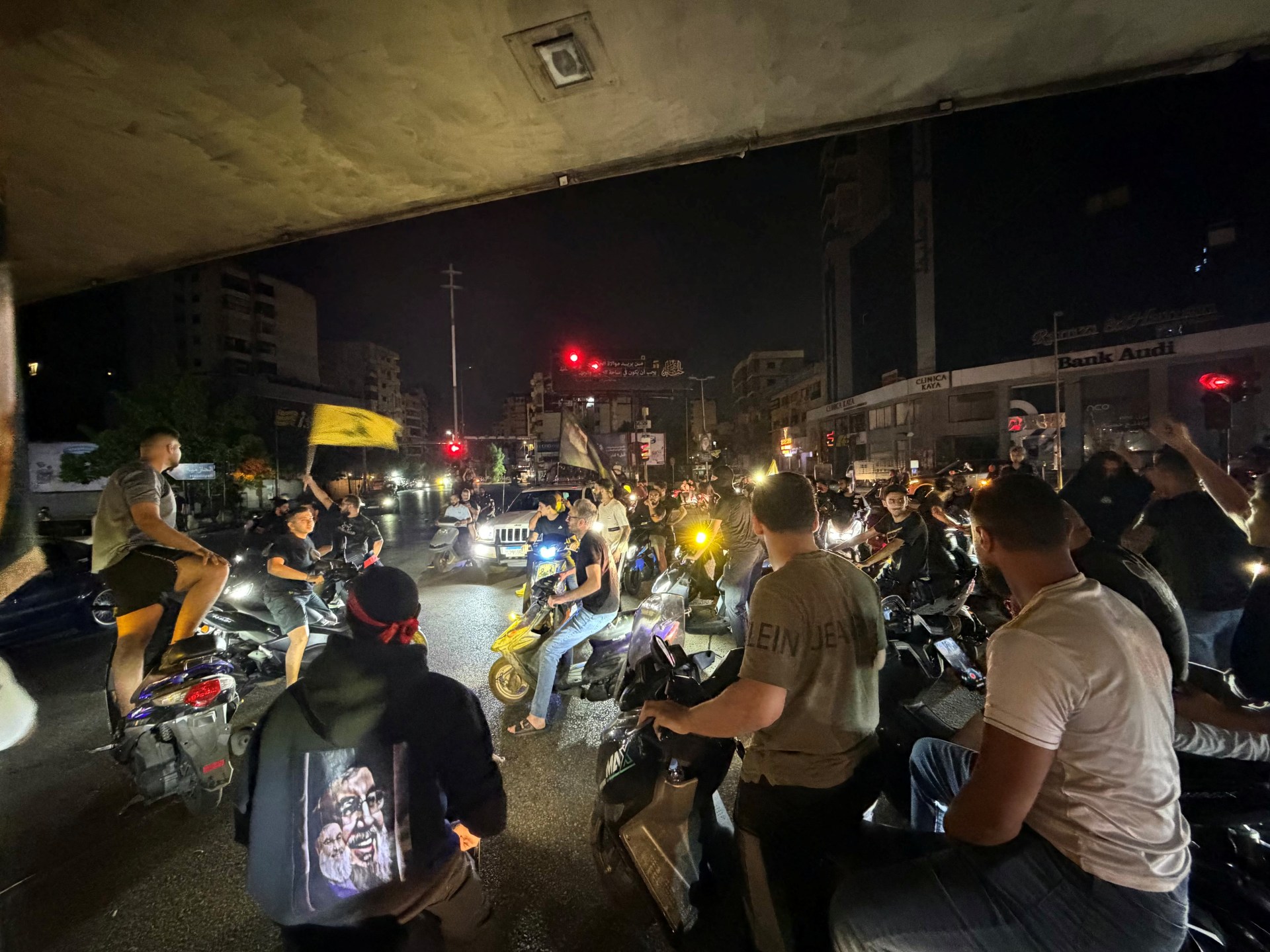
A reported 200 million dollar funding pipeline from Iran directed toward Hezbollah has introduced an acute sovereign dilemma for Lebanon's caretakers. The revelation comes at an exceptionally vulnerable juncture for Beirut, where state authority remains compromised by economic paralysis and prolonged institutional gridlock. Iranian officials have sought to maintain direct fiscal backing for their primary non-state regional proxy, offsetting substantial infrastructure and military losses incurred during cross-border exchanges with Israel. This transaction exposes the persistent dual-power reality within Lebanon, where sovereign institutions have little jurisdiction over parallel financial corridors operated by non-state factions.
The United States and its allies have heightened bilateral surveillance on Beirut, warning that failing to curb unauthorized inflows will invite severe enforcement measures against the Lebanese financial infrastructure. Diplomatic cables indicate that Western envoys have presented sovereign officials with strict compliance demands. The administration in Washington seeks clear evidence that sovereign state instruments, including Beirut-Rafic Hariri International Airport and the Port of Beirut, are not serving as points of entry for undeclared cash tranches, physical gold, or covert dual-use logistics.
Global Trade & Economic Ripples
The economic fallout extends deep into Lebanon's battered commercial sector and ripples across the Levant. Financial analysts warn that any proven facilitation of illicit funds through formal commercial banks would trigger decisive penalties by the US Department of the Treasury's Office of Foreign Assets Control (OFAC). Such measures could sever Lebanon's few remaining correspondent banking relationships, entirely stranding international trade finance, letters of credit, and critical food or medicine import contracts.
Beyond direct banking friction, shipping corridors in the eastern Mediterranean face elevated marine risk profiles. Underwriters are pricing elevated conflict and sanction risks into maritime freight calling at Lebanese and adjacent Levantine ports. The continuation of non-state fiscal autonomy further complicates regional energy integration initiatives, including regional pipeline arrangements backed by international bodies. Capital allocation for structural reconstruction across southern Lebanon remains deadlocked, as international sovereign donors refuse to disburse reconstruction facilities absent verified financial governance reforms and strict de-escalation guarantees.
Related Intelligence: Middle East Tensions Mount as Iran Accuses Israel of Escalation Drive
International Reactions & Diplomatic Stances
Western capitals have adopted an uncompromising posture. The United States Treasury Department reiterated its mandate to deploy secondary sanctions against any financial intermediaries facilitating capital transit for designated entities. In parallel, European Union diplomats voiced concern that unmonitored capital injections deliberately circumvent established state rebuilding mechanisms, undermining the Lebanese Armed Forces as the sole legitimate security instrument.
Conversely, Tehran has defended its bilateral support networks as legitimate sovereign aid designed to counter Western regional hegemony and support defensive postures. Lebanese central authorities have maintained an uneasy defensive narrative, insisting on their formal adherence to international anti-money laundering and counter-terrorist financing frameworks, while privately acknowledging their structural inability to police informal cash economies managed by heavily armed political factions.
Strategic Outlook & Future Scenarios
The strategic trajectory points toward escalating legal and monetary enforcement rather than diplomatic de-escalation. Should Washington proceed with secondary designations on non-compliant Lebanese commercial entities or logistics facilitators, the domestic currency will face renewed speculative devaluation against the US dollar, reversing fragile stabilization efforts achieved over recent quarters.
In the medium term, the standoff risks entrenching a bifurcated Lebanese economy: an isolated, US-dollarized parallel cash ecosystem dominated by non-state networks, and a declining formal sector locked out of global capital markets. Unless multilateral negotiations yield a durable border enforcement and governance verification mechanism, Beirut faces heightened isolation from International Monetary Fund credit facilities and Gulf Cooperation Council investment pools, both of which condition their support on comprehensive institutional transparency.
Join Our Official WhatsApp Channel
Receive live commodity alerts, policy changes, and commercial intelligence directly on WhatsApp.