
Philippine Transport Strikes Erupt Amid Middle East Fuel Shock
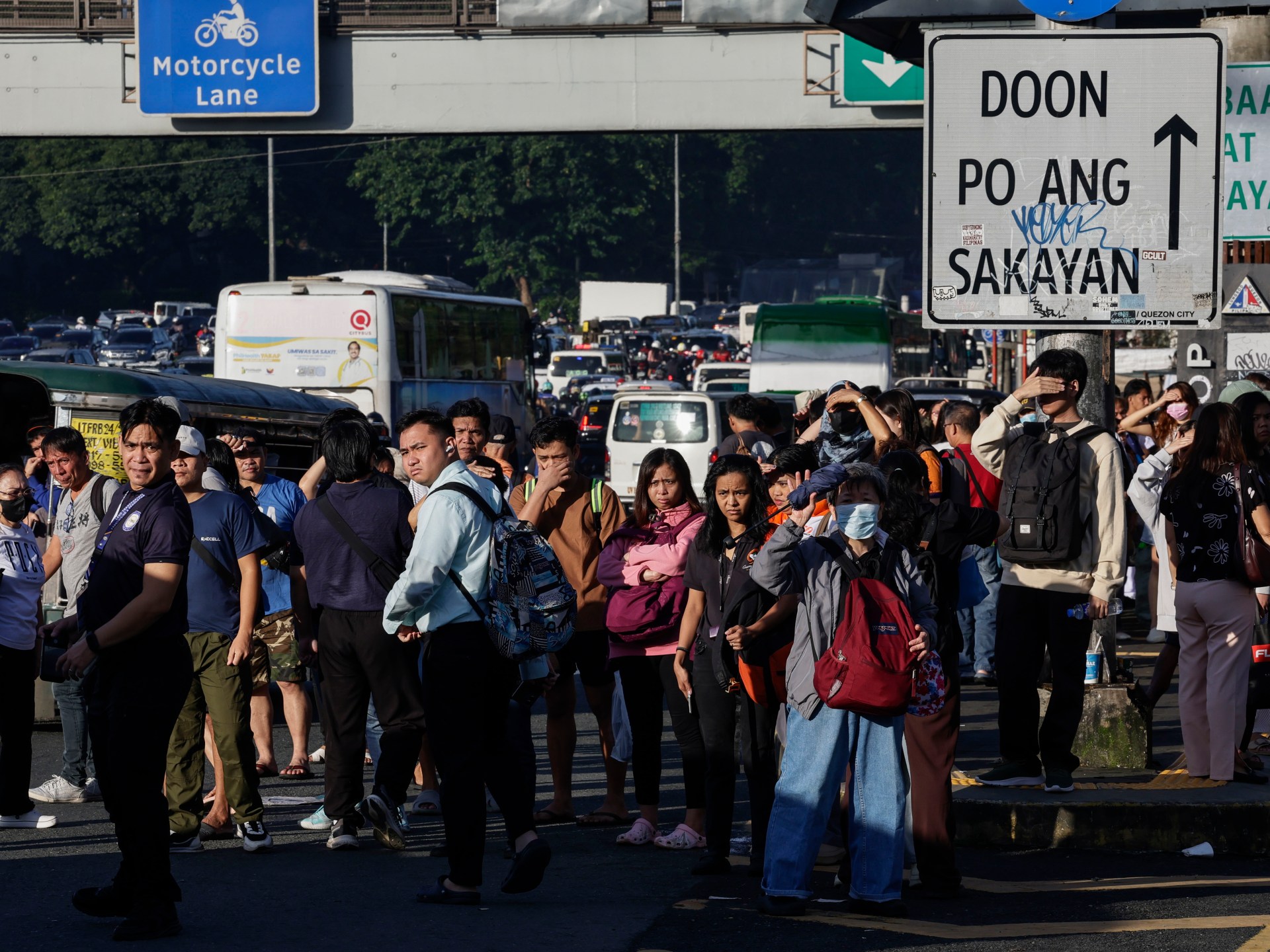
Thousands of Filipino transport workers paralyzed key transit routes, striking against soaring fuel prices driven by the escalating US-Israel conflict with Iran.
Geopolitical & Core Developments
A sweeping wave of transport strikes paralyzed major urban centers across the Philippines this week, as thousands of jeepney and bus drivers downed tools to protest relentless fuel price hikes. The demonstrations, which brought widespread gridlock to Metro Manila and surrounding regions, underscore the profound vulnerability of domestic transport networks to distant geopolitical shocks. Transport unions have squarely blamed the crisis on the expanding military confrontation involving the United States, Israel, and Iran, which has severely disrupted petroleum flows across critical maritime chokepoints in the Middle East.
For weeks, striking workers have argued that successive fuel price escalations have rendered daily operations economically unviable. Public utility vehicle operators, who operate on notoriously thin margins, report that surging diesel costs consume the vast majority of their daily earnings. In response to the paralyzing strikes, the administration of President Ferdinand Marcos Jr. mobilized government vehicles to offer emergency free rides for stranded commuters, attempting to avert a total collapse of urban mobility while urging calm among transport federations.
Global Trade & Economic Ripples
The unrest in Manila serves as a striking micro-level illustration of how macroeconomic tremors cascade down to developing economies during geopolitical crises. The US-Israel conflict with Iran has injected acute volatility into global energy markets, stoking fears of prolonged supply constraints and pushing international benchmark crude prices sharply upward. Because the Philippines is a net importer of petroleum products, it remains acutely exposed to fluctuations in the Brent crude market.
As shipping lanes face heightened security risks and insurance premiums skyrocket, the cost of moving commodities globally has amplified inflationary pressures across Southeast Asia. The spike in fuel import bills not only strains the Philippine national budget but also depreciates the local currency, the peso, against the US dollar. This currency depreciation further compounds the cost of imported energy, creating a vicious cycle of rising input costs for logistics, manufacturing, and consumer goods. Supply chain analysts warn that prolonged Middle East hostilities threaten to derail regional economic recovery by inflating freight rates and depressing consumer purchasing power.
Related Intelligence: Gaza Healthcare Collapse Triggers Global Humanitarian and Economic Alarm
International Reactions & Diplomatic Stances
International bodies and economic analysts have expressed growing alarm over the collateral damage inflicted by the Middle Eastern hostilities on non-belligerent nations. While the United Nations has repeatedly called for immediate de-escalation and unhindered maritime transit through the Strait of Hormuz, energy market watchdogs note that diplomatic channels have thus far failed to stabilize petroleum output.
In Manila, labor organizations have criticized international institutions for not doing enough to curb speculative pricing by global oil cartels and multinational energy conglomerates. Meanwhile, foreign policy observers point out that developing economies in the Global South are bearing the brunt of security escalations in the Persian Gulf. Governments across ASEAN are actively reviewing their strategic petroleum reserves and exploring emergency bilateral trade agreements to secure alternative energy supplies, aiming to insulate their domestic markets from further external shocks.
Strategic Outlook & Future Scenarios
Looking ahead, the trajectory of fuel prices and domestic stability in the Philippines will depend heavily on the duration and intensity of the conflict in the Middle East. Should military engagements expand or persist without a diplomatic breakthrough, energy analysts predict that crude prices could breach critical thresholds, triggering more severe social unrest and inflationary spirals in import-dependent nations.
Upcoming international economic summits and emergency OPEC+ ministerial meetings will be critical barometers for future supply adjustments. However, structural risks remain high. Governments like the Philippines face difficult policy trade-offs between fiscal consolidation and aggressive subsidy programs to cushion citizens from global commodity shocks. Without a rapid stabilization of international shipping corridors and a diplomatic resolution to the geopolitical standoff involving Iran, vulnerable transport sectors worldwide will continue to bear the heavy cost of great power conflict.
Join Our Official WhatsApp Channel
Receive live commodity alerts, policy changes, and commercial intelligence directly on WhatsApp.