
Iran Pursues Qatari Mediation as Washington Links Nuclear Talks to Regional Security
Tehran engages Qatari mediators regarding maritime security plans while Washington insists that comprehensive diplomatic resolutions require direct negotiation on nuclear enrichment concerns.
Geopolitical & Core Developments
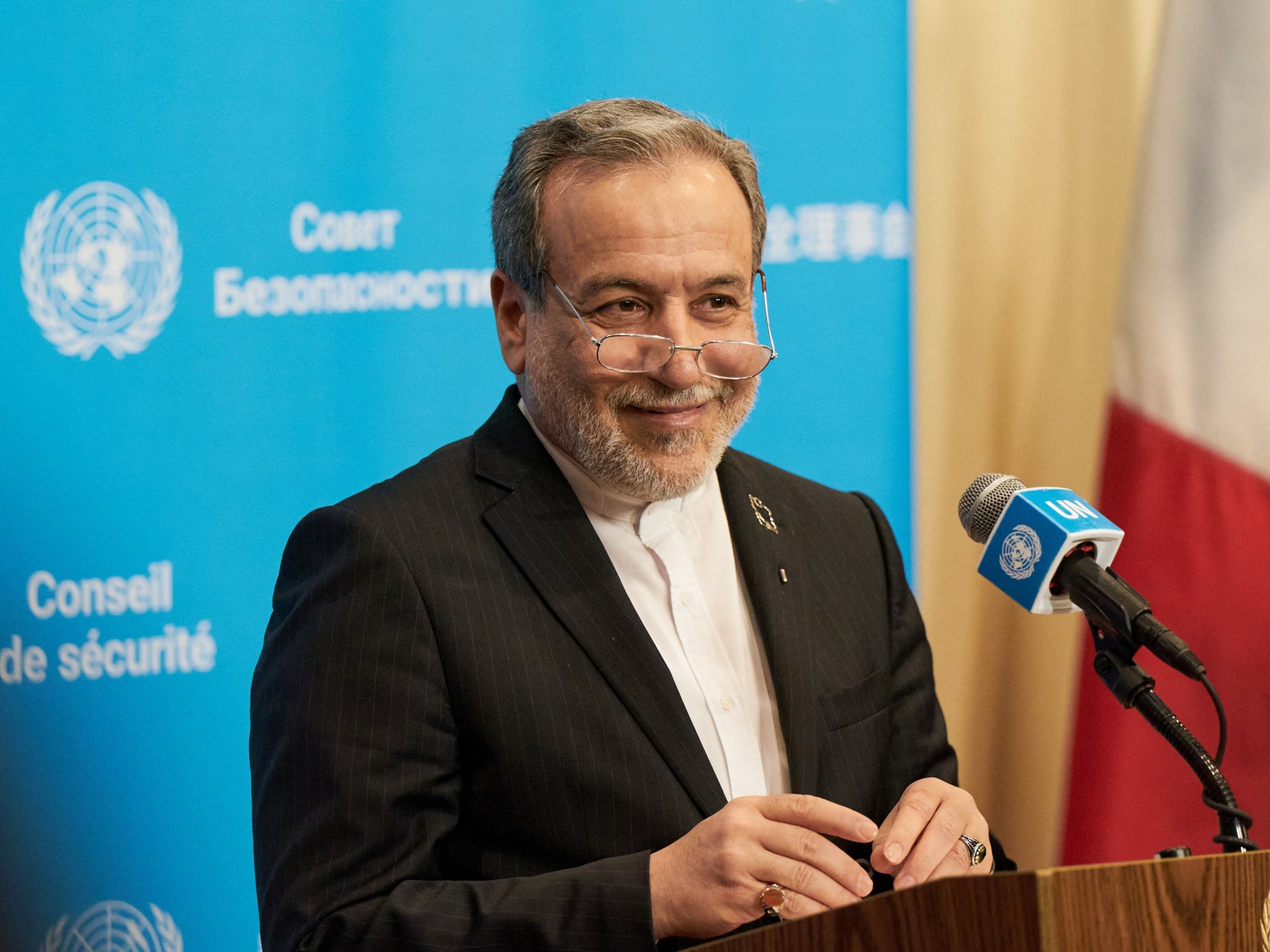
Iranian Foreign Minister Abbas Araghchi traveled to Doha for high-stakes diplomatic consultations with Qatari mediators, centering discussions on a newly proposed regional security framework for the Strait of Hormuz. The diplomatic outreach follows weeks of intensified regional friction, during which Tehran sought to leverage Qatari channels to transmit proposals concerning maritime stability and de-escalation in the Persian Gulf. However, the diplomatic maneuvering faces substantial hurdles. A senior United States official forcefully reiterated Washington's core position, stating unequivocally that any prospective bilateral or multilateral arrangement remains strictly contingent upon Tehran addressing foundational nuclear proliferation concerns. The juxtaposition of Araghchi's diplomatic tour with uncompromising Western rhetoric highlights the enduring chasm between regional confidence-building measures and overarching superpower security demands. State actors across the Middle East are watching the indirect exchanges closely, aware that the diplomatic channel managed by Doha represents one of the few remaining conduits for preventing military miscalculation in the world's most vital energy corridor.
Global Trade & Economic Ripples
For global commodity markets and international shipping conglomerates, the diplomatic stalemate carries immediate commercial implications. The Strait of Hormuz handles roughly a fifth of the world's petroleum consumption, making any diplomatic friction in the corridor a primary driver of energy price volatility. Brent crude futures experienced upward pressure as traders factored in the risk premium associated with potential maritime disruptions. Beyond petroleum, global supply chains dependent on smooth maritime transit through the Persian Gulf are reassessing insurance premiums and contingency routes. Freight operators are closely monitoring naval posture adjustments in the region, wary of renewed tanker seizures or asymmetric security threats that could inflate operational costs and disrupt commercial schedules. Financial analysts note that currency values in import-dependent economies across Asia and Europe remain vulnerable to sudden spikes in energy benchmarks triggered by escalating rhetoric between Washington and Tehran.
Related Intelligence: Trump Rejects Iran Sanctions Relief Reports Amid Escalating Tensions
International Reactions & Diplomatic Stances
International bodies and allied capitals have responded to the diplomatic flurry with measured caution. European Union foreign policy representatives emphasized the necessity of preserving the diplomatic space provided by Qatari and Omani intermediaries, while concurrently echoing Washington's insistence on nuclear compliance. The International Atomic Energy Agency has repeatedly underscored the urgency of reinstating rigorous monitoring protocols within Iranian facilities to prevent regional intelligence blind spots. Meanwhile, regional powers including Saudi Arabia and the United Arab Emirates have expressed a dual desire for regional de-escalation and ironclad guarantees regarding maritime security, reflecting a collective anxiety over potential kinetic fallout from the unresolved nuclear impasse.
Strategic Outlook & Future Scenarios
Looking ahead, the trajectory of Persian Gulf security hinges on whether Tehran and Washington can bridge their divergent priorities regarding sequencing. While Iranian state media frames the Qatari-mediated proposals as a viable pathway to regional autonomy and trade normalization, Western capitals maintain that compartmentalizing regional security from the nuclear file is non-negotiable. Upcoming diplomatic summits and ministerial meetings in European capitals will test whether back-channel diplomacy can generate a compromise formula. In the absence of a breakthrough, market participants should brace for persistent geopolitical risk premiums embedded in energy commodities, prolonged uncertainty for shipping lanes, and an elevated state of military readiness across the region.
Join Our Official WhatsApp Channel
Receive live commodity alerts, policy changes, and commercial intelligence directly on WhatsApp.