
West Bank Violence Threatens Regional Stability and Trade Channels
Escalating settler violence in the occupied West Bank deepens regional instability, raising commercial risks across Middle Eastern trade corridors and international energy markets.
Geopolitical & Core Developments
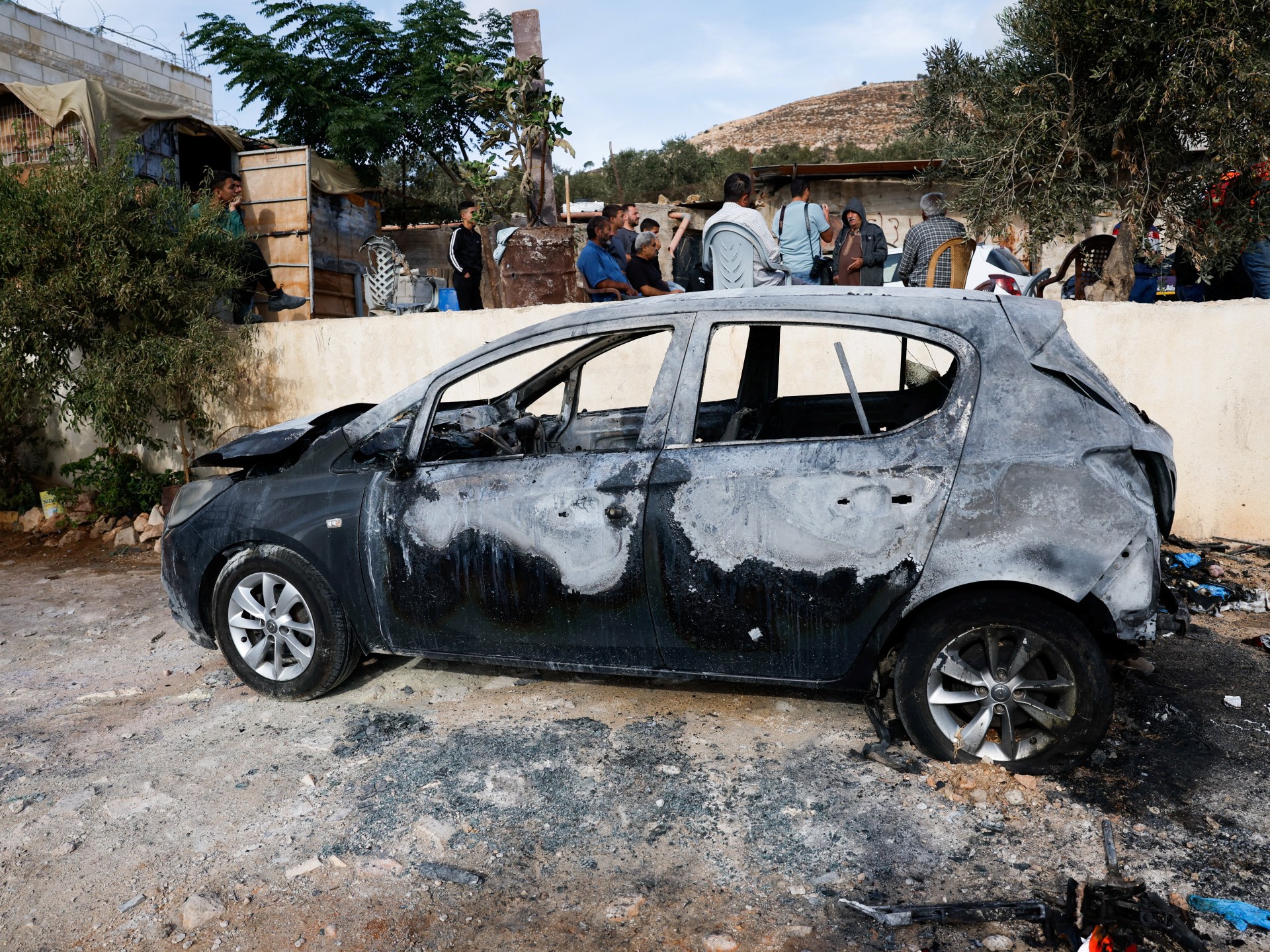
The recent assault by Israeli settlers on the village of Jalud in the northern occupied West Bank, targeting homes belonging to the Tubasi family, underscores a severe intensification of localized violence with broad geopolitical ramifications. This incident is not an isolated breach of civil order; rather, it reflects a compounding structural crisis within the territories that directly challenges international legal norms and heightens regional friction. State actors across the Middle East view the escalation in the West Bank as a critical pressure valve that, if ruptured, could trigger a wider multi-front confrontation. The strategic stakes extend far beyond immediate security concerns, touching upon the core viability of any future diplomatic resolutions and testing the containment strategies of regional governments. As localized security breakdowns become increasingly frequent, diplomatic channels face unprecedented strain, complicating multilateral efforts to de-escalate tensions and restore administrative predictability to the occupied territories.
Global Trade & Economic Ripples
While the direct physical damage of the Jalud attack is localized, the broader pattern of persistent instability in the Levant exerts a tangible psychological and logistical toll on global commercial markets. The Middle East remains the heartbeat of global energy supplies and a vital maritime nexus connecting Asian manufacturing hubs with European consumer markets. Prolonged unrest in proximity to crucial transit arteries elevates war-risk insurance premiums for commercial shipping, driving up freight rates across Mediterranean and Red Sea routes. Global commodity markets, particularly energy futures and agricultural inputs, remain highly sensitive to regional security shocks. Traders price in the perpetual risk of wider escalation, which can instantaneously constrict petroleum flows, inflate input costs for industrial manufacturers, and inject volatility into foreign exchange markets, particularly affecting currencies tied to emerging market trade balances and energy dependency.
Related Intelligence: Italy's Burqa Ban Proposal Stirs Domestic Tensions and Economic Uncertainty
International Reactions & Diplomatic Stances
The international community has responded with mounting alarm to the surge in settler violence, issuing renewed calls for immediate restraint and accountability. Representatives from the United Nations have repeatedly emphasized that unchecked violence in the occupied territories undermines international humanitarian law and obstructs pathways to sustainable peace. European capitals and multilateral bodies have expressed deep concern, with several nations contemplating targeted diplomatic measures and financial sanctions against individuals and entities linked to extremist settler activities. However, geopolitical divisions within the UN Security Council continue to hinder cohesive, binding enforcement mechanisms. Market analysts note that while official statements from major trading partners primarily emphasize humanitarian and security imperatives, corporate risk assessment desks are increasingly factoring these diplomatic stalemates into long-term capital allocation strategies within the region.
Strategic Outlook & Future Scenarios
Looking ahead, the trajectory of the West Bank security situation serves as a primary bellwether for broader Middle Eastern stability. Upcoming diplomatic summits and ministerial meetings will likely focus heavily on containment strategies, though the efficacy of these talks remains constrained by deep-seated political stalemates on the ground. Escalation points remain numerous, ranging from potential retaliatory cycles to intensified civil unrest that could paralyze domestic commerce and administrative functions. For international corporations and commodity traders, contingency planning must account for the persistent probability of sudden logistics bottlenecks, currency fluctuations, and policy shifts driven by unexpected security crises. As long as fundamental political grievances remain unaddressed, the commercial landscape of the region will continue to operate under a cloud of heightened risk and strategic unpredictability.
Join Our Official WhatsApp Channel
Receive live commodity alerts, policy changes, and commercial intelligence directly on WhatsApp.