
Bangkok Floods Trigger Supply Chain Disruptions and Local Market Adaptation
Severe flooding across Bangkok has forced local merchants to establish improvised floating markets, highlighting critical vulnerabilities in urban supply chains and regional commodity distribution networks.
Geopolitical & Core Developments
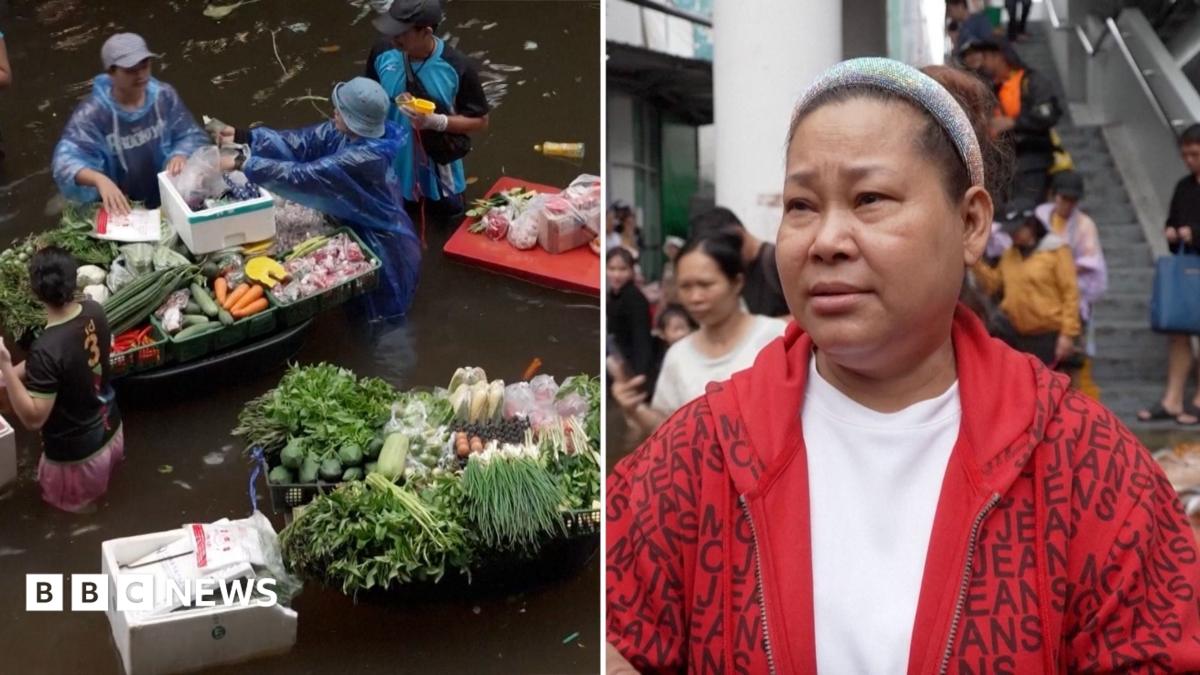
Recent torrential monsoon downpours have inundated central districts of Bangkok, triggering severe urban flooding that has severely disrupted daily commerce and municipal infrastructure. As water levels rose across major thoroughfares, local vendors adapted by establishing improvised floating markets using foam boxes, makeshift wooden platforms, and small watercraft. Sellers waded through waist-deep floodwaters to offer essential produce, including fresh fish and vegetables, while residents navigated the inundated streets on foot or via makeshift paddling vessels. This phenomenon underscores the acute vulnerability of densely populated Southeast Asian urban centers to extreme weather events driven by shifting climatic patterns. Municipal authorities and disaster management agencies have struggled to maintain traditional supply lines, forcing communities to rely on localized, decentralized trading mechanisms reminiscent of historical regional commerce to secure daily provisions.
Global Trade & Economic Ripples
While the flooding in Bangkok remains primarily an urban crisis, the commercial implications extend outward into regional and global supply chains. Thailand plays a pivotal role as a major exporter of agricultural commodities, processed foods, and light industrial goods within the Association of Southeast Asian Nations (ASEAN) economic corridor. Inundated transport arteries and logistics hubs around the capital threaten to delay domestic freight movement, creating bottlenecks that could temporarily elevate regional prices for agricultural staples. International shipping lanes operating through the Chao Phraya River basin have experienced navigation restrictions, impacting barge traffic carrying raw materials and manufactured components to deep-water ports. Commodity analysts note that prolonged urban inundation risks dampening consumer confidence and retail turnover in Thailand's core economic engine, potentially spilling over into broader regional trade metrics and affecting foreign exchange stability for the Thai Baht if logistical paralysis persists.
Related Intelligence: Malaysia Repatriates Myanmar Migrants Amid Regional Trade and Security Scrutiny
International Reactions & Diplomatic Stances
International bodies and economic analysts have closely monitored the unfolding situation in the Thai capital, emphasizing the urgent need for enhanced climate-resilient infrastructure investments across developing metropolitan areas. Representatives from the United Nations Office for Disaster Risk Reduction noted that rapid urbanization coupled with inadequate drainage systems continues to compound economic losses across the Asia-Pacific region. Trade economists and risk assessment firms have issued advisory notes to multinational corporations operating manufacturing facilities within the greater Bangkok industrial zones, urging comprehensive supply chain audits and contingency planning. Neighboring ASEAN member states have expressed solidarity, while regional trade chambers have begun coordinating emergency logistical assistance to ensure that critical food security corridors remain operational despite the ongoing inundation.
Strategic Outlook & Future Scenarios
Looking ahead, the trajectory of Bangkok's recovery hinges on immediate meteorological forecasts and the efficiency of municipal water management interventions. If monsoon rains persist, secondary logistics hubs may become overwhelmed, necessitating broader deployment of national emergency reserves and potential import substitution for critical agricultural goods. Long-term strategic planning will require substantial capital allocation toward flood-defense megaprojects, improved canal dredging, and elevated transit infrastructure to safeguard Thailand's status as a stable commercial hub. Upcoming multilateral climate adaptation forums are expected to feature these urban flooding episodes as prime case studies, driving renewed global urgency toward financing resilient urban architectures across vulnerable global south economies.
Join Our Official WhatsApp Channel
Receive live commodity alerts, policy changes, and commercial intelligence directly on WhatsApp.