
Gaza Healthcare Collapse Triggers Global Humanitarian and Economic Alarm
Severe medical shortages in Gaza paralyze patient diagnoses, amplifying international diplomatic tensions and destabilizing regional humanitarian supply chains.
Geopolitical & Core Developments
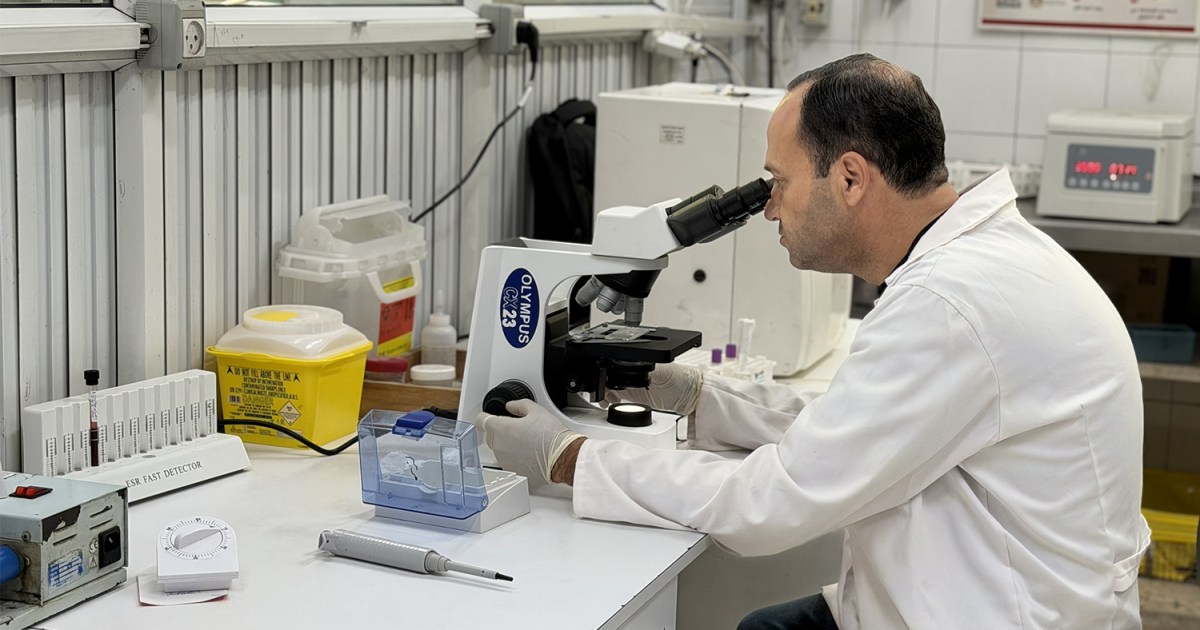
The humanitarian catastrophe unfolding within the Gaza Strip has reached a critical juncture, as medical professionals confront unprecedented operational constraints stemming from severe shortages of diagnostic equipment. Hospitals and makeshift clinics across the enclave are struggling to process an overwhelming influx of trauma and chronic-care patients due to the systematic depletion of advanced testing machinery, laboratory reagents, and reliable power sources. State actors and international humanitarian organizations find themselves deadlocked over diplomatic channels, failing to secure sustained access for essential medical cargo. The systemic paralysis of local healthcare infrastructure not only compromises immediate civilian survival but also intensifies the geopolitical friction points governing the border crossings, complicating broader regional security frameworks and stalling tentative multilateral cease-fire negotiations.
Global Trade & Economic Ripples
While the immediate crisis remains intensely human, the shockwaves of the prolonged blockade and healthcare collapse extend directly into global commodity markets, shipping logistics, and regional trade corridors. Persistent instability in the Eastern Mediterranean disrupts maritime insurance premiums, inflates regional energy procurement costs, and forces commercial cargo carriers to re-evaluate traditional shipping routes. Furthermore, the diversion of international financial aid and logistical assets toward emergency humanitarian relief strains donor-nation budgets, creating secondary ripples across international trade finance. Commodities tied to regional stability, including energy futures and agricultural inputs, remain highly sensitive to escalations in the conflict zone, leading to heightened market volatility and cautious investor sentiment across major bourses.
Related Intelligence: Malaysia Repatriates Myanmar Migrants Amid Regional Trade and Security Scrutiny
International Reactions & Diplomatic Stances
The international community has expressed profound alarm over the deteriorating medical conditions in Gaza, with the United Nations and various multilateral bodies issuing urgent calls for unconditional humanitarian access. World Health Organization officials have repeatedly condemned the obstruction of medical supplies, emphasizing that the inability to conduct basic diagnostic testing violates fundamental international humanitarian law. Meanwhile, Western and Middle Eastern foreign ministries remain deeply polarized; while European capitals demand immediate logistical corridors for medical equipment, regional governments debate the long-term security implications of reopening commercial and humanitarian channels. Market analysts warn that sustained diplomatic paralysis risks hardening economic sanctions and retaliatory trade measures between key international stakeholders.
Strategic Outlook & Future Scenarios
Looking ahead, the trajectory of the crisis will depend heavily on upcoming diplomatic summits and the willingness of regional belligerents to negotiate structured humanitarian truces. If international pressure fails to force the entry of critical diagnostic technology, the total collapse of Gaza's remaining medical infrastructure appears imminent, potentially triggering a new wave of regional displacement and radicalizing geopolitical alignments. Conversely, a breakthrough in back-channel diplomacy could establish permanent medical corridors, serving as a vital testing ground for broader economic reconstruction plans. However, until binding multilateral agreements are enforced, global markets and international policymakers must price in persistent volatility across Middle Eastern trade routes and geopolitical flashpoints.
Join Our Official WhatsApp Channel
Receive live commodity alerts, policy changes, and commercial intelligence directly on WhatsApp.