
Papua's Disappearing Glaciers Signal Severe Global Commodity and Climatic Risks
The impending disappearance of Papua's rare tropical glaciers highlights escalating global climate risks with profound implications for international commodity markets and regional stability.
Geopolitical & Core Developments
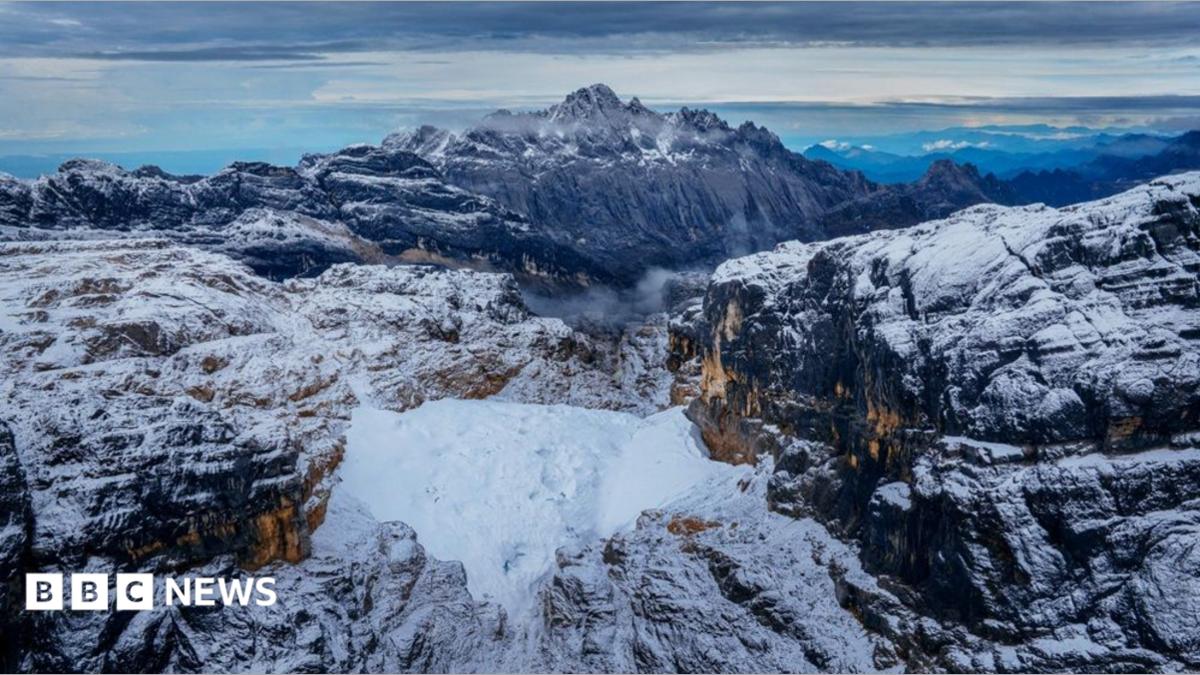
The impending disappearance of the ancient ice fields atop Papua's tropical peaks represents more than a localized environmental tragedy; it marks a profound geopolitical and scientific milestone. For millennia, these equatorial glaciers have served as natural barometers of planetary health. Situated within the Sudirman Range of Western New Guinea, the vanishing ice cap holds immense scientific value, acting as a historical climate archive preserving centuries of atmospheric data. As rising global temperatures accelerate the melting process, the loss of this irreplaceable archive severs a critical link in global climate observation networks. State actors in the Indo-Pacific region now confront the harsh reality of ecological collapse within their borders, testing the limits of regional environmental governance and cross-border cooperation.
Furthermore, the glaciers hold deep spiritual significance for the Indigenous communities of Papua, who view the snowy summits as sacred ancestral entities. The erosion of these landscapes triggers cultural displacement and heightens socio-political tensions in a region already navigating complex geopolitical dynamics involving sovereignty, resource extraction, and indigenous rights. Governments and international bodies are increasingly forced to recognize that ecological loss directly fuels civil unrest and complicates domestic stability in strategically vital resource corridors.
Global Trade & Economic Ripples
While the visual impact of melting tropical ice is stark, the economic ramifications extend deeply into global commodity markets, supply chains, and agricultural trade networks. Papua and the broader Indonesian region are central to key global supply chains, including critical minerals, timber, and agricultural commodities such as palm oil. The localized climatic shifts driven by the loss of high-altitude ice caps contribute to erratic weather patterns, prolonged droughts, and severe monsoonal disruptions across Southeast Asia.
These environmental shifts directly threaten agricultural yields and regional supply chain velocity, injecting volatility into international commodity pricing. Global shipping lanes operating through the Indo-Pacific could face increased vulnerability from extreme weather events amplified by regional climate degradation. Furthermore, institutional investors and multinational corporations operating in the region are re-evaluating risk models. As environmental degradation accelerates, sovereign risk ratings and the cost of capital for emerging market economies are increasingly tied to climate resilience metrics, directly influencing trade finance and long-term infrastructure investments.
Related Intelligence: FBI Data Breach Triggers Internal Turmoil and Global Security Concerns
International Reactions & Diplomatic Stances
The acceleration of glacial retreat in Papua has drawn sharp focus from multilateral institutions, including the United Nations Framework Convention on Climate Change and various international scientific bodies. Diplomatic channels are increasingly dominated by warnings that regional climate tipping points are being breached faster than anticipated in previous Intergovernmental Panel on Climate Change models. Developing nations and small island developing states have amplified their calls for immediate, binding financial commitments from industrialized economies to support adaptation and mitigation frameworks.
Market analysts and economic think tanks have issued stark warnings regarding the financial disconnect between short-term market valuations and long-term environmental degradation. While major economies engage in protracted climate diplomacy ahead of upcoming summits, financial regulators are intensifying pressure on corporations to disclose climate-related financial risks. The plight of Papua's glaciers is frequently cited by trade economists as tangible evidence that ecological collapse translates directly into macroeconomic instability, shifting the diplomatic debate from theoretical sustainability to immediate risk management.
Strategic Outlook & Future Scenarios
Looking ahead, the complete loss of Papua's tropical ice cap serves as a harbinger for similar vulnerable geographical formations globally, setting a tense tone for upcoming international climate summits and trade negotiations. The trajectory points toward increased regulatory scrutiny on carbon-intensive industries and heightened likelihood of trade measures, such as carbon border adjustments, aimed at penalizing laggard economies.
Geopolitical escalation points in the Indo-Pacific will likely increasingly intertwine with resource scarcity and climate migration. As traditional livelihoods collapse alongside the ecosystem, regional governments may face heightened pressure to militarize borders or secure dwindling freshwater and agricultural resources. For international traders and global commodity desks, the message is clear: ecological collapse in remote regions like Papua is no longer a peripheral issue, but a core driver of future market volatility and geopolitical realignment.
Join Our Official WhatsApp Channel
Receive live commodity alerts, policy changes, and commercial intelligence directly on WhatsApp.