
Trump Arch Proposal Sparks Geopolitical Tensions and Trade Security Debate
Plans for a massive 250-foot architectural monument championed by Donald Trump advance, drawing fierce domestic criticism and raising broader geopolitical questions regarding strategic infrastructure deployment.
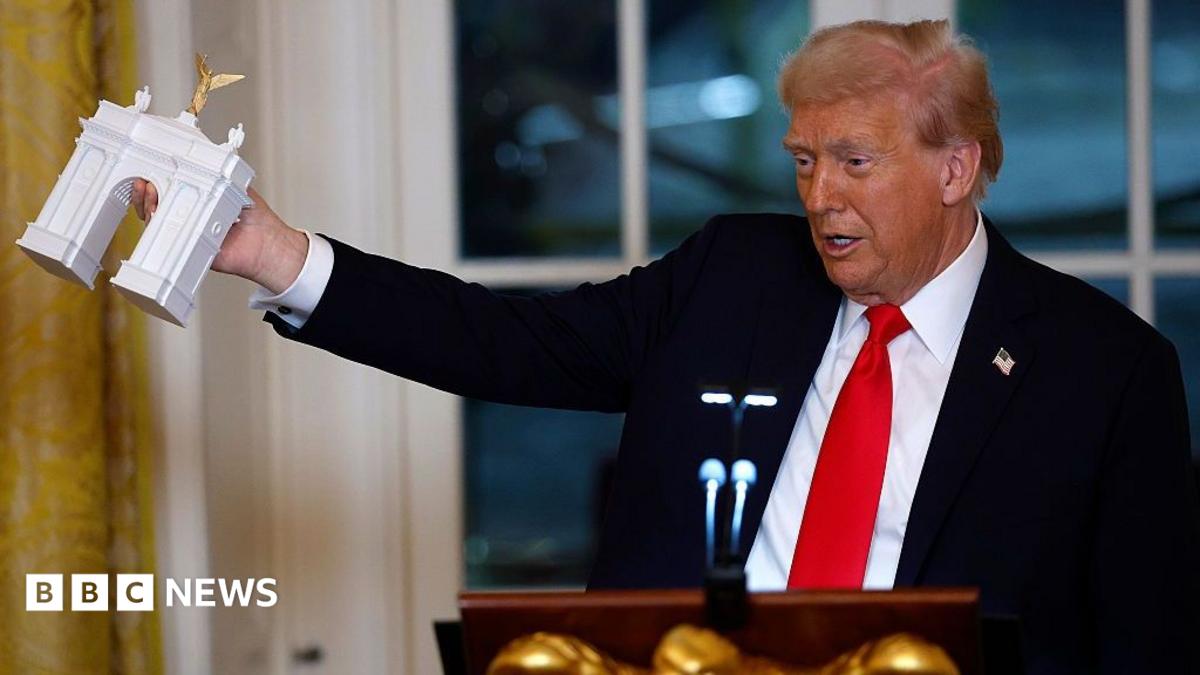
Geopolitical & Core Developments
The controversial initiative to construct a towering 250-foot architectural monument has entered a critical new phase, moving steadily forward despite escalating political friction. Championed by former US President Donald Trump, the project envisions a colossal structure that proponents argue will symbolize national strength and architectural ambition. However, the blueprint has immediately run into a wall of intense opposition from congressional lawmakers, urban planners, and security analysts who question both the symbolic utility and the physical footprint of such a massive undertaking.
Opposition coalesced sharply on Capitol Hill, where key Democratic lawmakers condemned the proposal as fundamentally misguided. One senior legislator blasted the plans as outright 'foolhardy,' pointing to the staggering capital expenditure required and the potential diversion of vital public resources away from critical infrastructure maintenance. Beyond the domestic political squabbling, foreign policy observers are closely monitoring the administration's stated intentions regarding the dual-use capabilities of the structure. Speculation has mounted that the arch could be leveraged for military surveillance or strategic communications, instantly transforming a civil engineering project into a flashpoint for domestic constitutional debate and international scrutiny regarding militarized public spaces.
[Global Trade](/news/pm-shehbaz-demands-free-navigation-ungh-hormuz-bab-al-mandab) & Economic Ripples
While the arch itself is a domestic construction project, international trade analysts and commodity market strategists are evaluating the broader economic signals sent by such polarizing infrastructure investments. Large-scale government spending programs invariably trigger ripple effects across global supply chains, particularly concerning the allocation of heavy industrial raw materials. The immense volume of structural steel, reinforced concrete, specialized engineering composites, and advanced electronic sensors required for a 250-foot monument places additional pressure on already constrained global commodity markets.
Furthermore, if the structure incorporates significant military or intelligence hardware, trade compliance and export controls surrounding dual-use technology could come into play. Shipping lanes and international logistics networks, already vulnerable to geopolitical posturing, are sensitive to domestic policy shifts within major economic superpowers. Investors are watching closely to see whether heightened political polarization over major capital projects signals a broader shift toward protectionist industrial policies, which could alter long-term commodity pricing trends for industrial metals and energy inputs vital to international commerce.
Related Intelligence: Netanyahu UN Address Deepens Diplomatic Rifts and Shakes Commodity Markets
International Reactions & Diplomatic Stances
The announcement has not gone unnoticed by international observers, multilateral bodies, and foreign governments attempting to decode the underlying strategic posture of the initiative. While foreign ministries have largely refrained from official interventions in what is formally an internal American policy debate, trade partners in Europe and Asia have expressed private concerns over the militarization of public architecture. International security think tanks have highlighted the project as a symptom of growing nationalist architecture trends among global powers, where state-sponsored monuments increasingly double as instruments of strategic signaling.
Market analysts note that international investors often interpret grand domestic projects as indicators of broader fiscal priorities. If federal funds are heavily funneled into high-profile symbolic structures rather than core supply chain resilience or green energy transitions, foreign capital may recalibrate its assessment of long-term US economic stability. Multilateral monitoring organizations are expected to keep a close watch on how the legislative battles over the arch unfold, particularly regarding transparency, environmental impact assessments, and government procurement transparency.
Strategic Outlook & Future Scenarios
As the project transitions from preliminary design to concrete execution phases, several critical escalation points loom on the horizon. The upcoming legislative sessions in Congress will serve as the primary battleground, where opponents plan to use budget riders, environmental reviews, and oversight hearings to halt or significantly scale back the construction timeline. Legal challenges from environmental groups and local municipalities are also anticipated, focusing on zoning laws, airspace regulations, and the environmental footprint of the massive build.
Looking further ahead, the trajectory of the 250-foot arch will likely mirror broader domestic political divisions in the United States, making it a bellwether for future infrastructure governance. Should the administration successfully push the project through despite fierce opposition, it may establish a new precedent for executive-driven monumental architecture. Conversely, a successful legislative blockade by opponents would underscore the enduring checks and balances inherent in the American political system, reassuring international markets that institutional oversight remains robust against unilateral mega-projects.
Join Our Official WhatsApp Channel
Receive live commodity alerts, policy changes, and commercial intelligence directly on WhatsApp.