
FBI Data Breach Triggers Internal Turmoil and Global Security Concerns
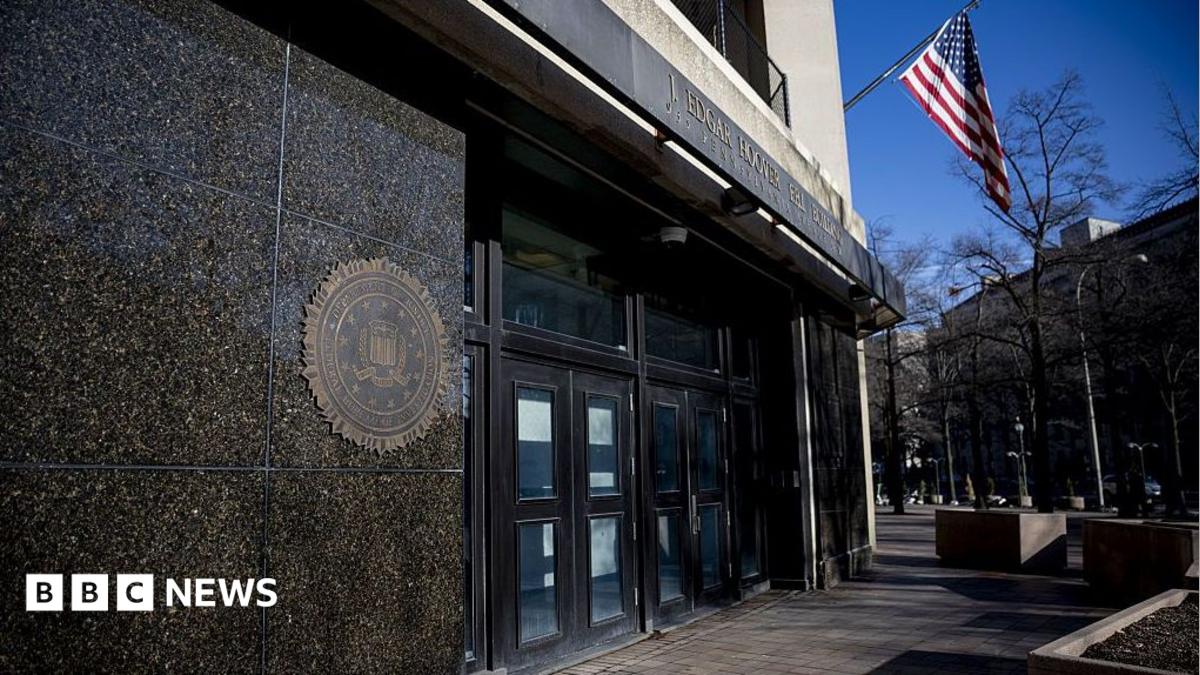
A high-profile security breach within the FBI has left federal agents shaken, exposing deep vulnerabilities and sparking intense global concern regarding cyber espionage and institutional resilience.
Geopolitical & Core Developments
The recent security breach affecting the United States Federal Bureau of Investigation has sent shockwaves through the global intelligence community. According to accounts shared exclusively with international broadcasters by current and former federal agents, the incident is viewed not merely as an isolated technical failure, but as a systemic collapse of critical internal defenses. State actors and sophisticated cybercriminal syndicates have increasingly targeted Western investigative infrastructure, leveraging zero-day exploits and social engineering to penetrate high-security networks. The timeline of the breach reveals a calculated infiltration strategy designed to extract sensitive investigative files, counterintelligence methods, and informant identities. For strategic competitors such as Russia, China, and Iran, access to such foundational intelligence represents a monumental geopolitical windfall, effectively compromising ongoing counterintelligence operations and shifting the balance of digital deterrence.
Global Trade & Economic Ripples
While the FBI breach is fundamentally a national security crisis, its ripples extend deep into the architecture of global commerce and trade security. In an interconnected economy where multinational corporations rely heavily on U.S.-led cybersecurity frameworks to protect proprietary supply chains, intellectual property, and financial networks, any compromise at the apex of American law enforcement erodes systemic trust. Financial markets and energy trading hubs depend on the absolute integrity of digital infrastructure to prevent state-sponsored economic sabotage. The exposure of sensitive investigative tools heightens the vulnerability of critical infrastructure—including maritime shipping lanes, cross-border payment systems, and commodity exchanges—to retaliatory cyber warfare. Consequently, institutional investors are reassessing sovereign risk premiums, particularly as state-backed threat actors demonstrate an escalating capability to pierce Western institutional fortresses.
Related Intelligence: Iran Proposes Seven-Day Reopening of Strait of Hormuz Amid US Talks
International Reactions & Diplomatic Stances
Global capitals and multilateral institutions have reacted to the breach with a mixture of public discretion and private alarm. Western intelligence partners, including the Five Eyes alliance, have initiated emergency consultations to evaluate the integrity of shared communication channels and joint counter-terrorism databases. Cybersecurity agencies across the European Union have issued heightened threat advisories, emphasizing the heightened risk of secondary attacks targeting European financial institutions and diplomatic networks. Market analysts note that foreign adversaries are weaponizing the revelation of the hack to undermine the credibility of U.S. democratic institutions and diplomatic messaging. Multilateral bodies are under increasing pressure to draft binding international norms on state-sponsored cyber operations, though deep geopolitical divisions between Washington and its rivals continue to stall meaningful diplomatic consensus.
Strategic Outlook & Future Scenarios
As the FBI grapples with the fallout of the breach, the strategic outlook points toward an aggressive tightening of federal cybersecurity protocols and potential legislative overhauls. Upcoming international security summits will likely feature closed-door emergency sessions addressing the security of transnational law enforcement databases. Analysts warn that the incident could catalyze a new wave of retaliatory digital operations, escalating the risk of an unconstrained cyber arms race between major powers. Furthermore, the internal dissent among federal agents underscores the human cost of institutional vulnerability, threatening morale and operational efficacy within the world's most prominent investigative agency as it faces an increasingly hostile and digitized geopolitical landscape.
Join Our Official WhatsApp Channel
Receive live commodity alerts, policy changes, and commercial intelligence directly on WhatsApp.