
Iran Proposes Seven-Day Roadmap to Reopen Strait of Hormuz and Restart Nuclear Talks
Tehran has offered a seven-day diplomatic roadmap to end hostilities, reopen the Strait of Hormuz, and resume stalled nuclear negotiations, pending a formal response from Washington.
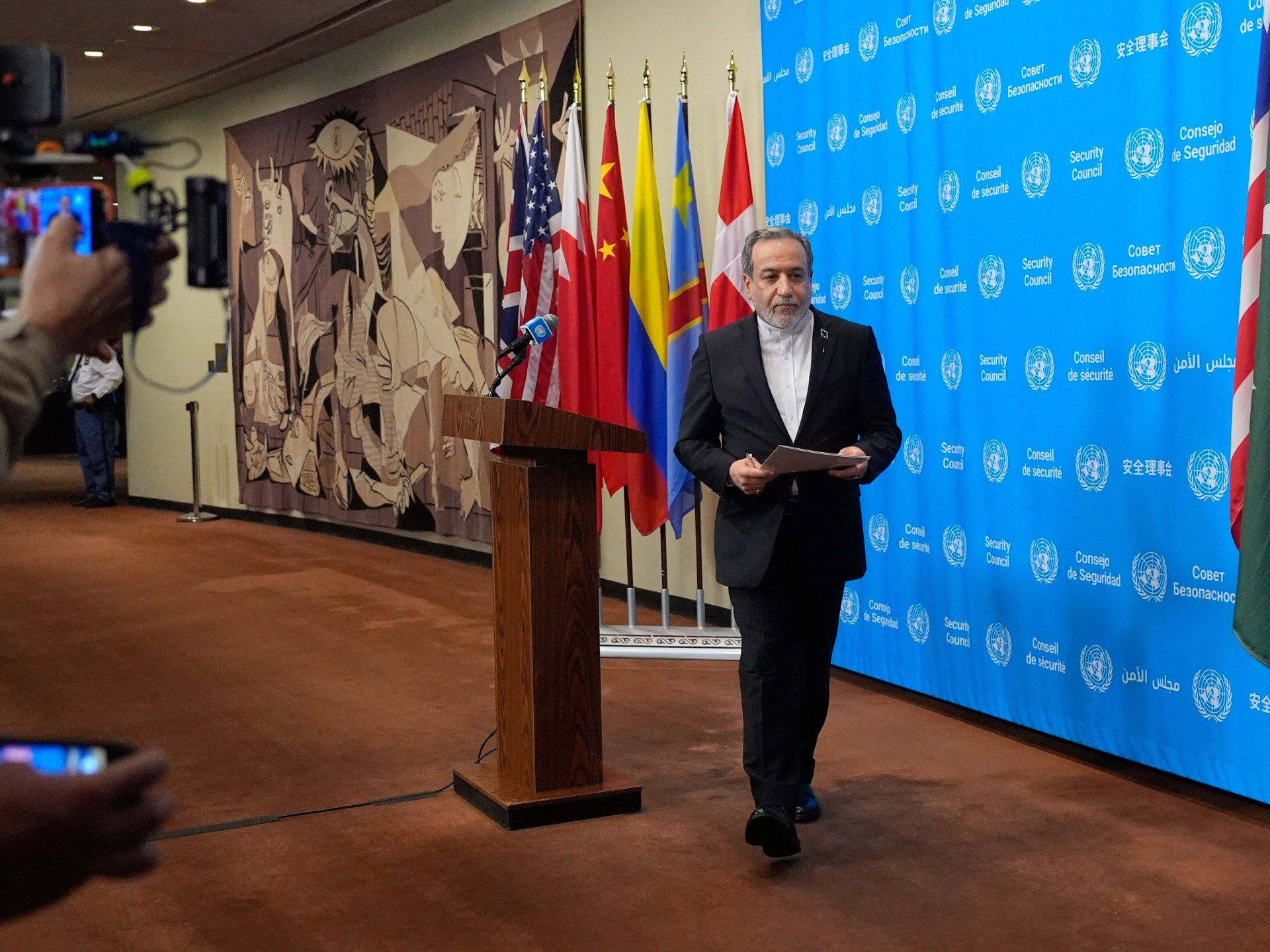
Geopolitical & Core Developments
In a significant diplomatic overture, Iranian state authorities announced that Tehran is formally awaiting a comprehensive response from the United States regarding a proposed seven-day roadmap designed to halt active hostilities in the region. The structured proposal, leaked through diplomatic channels before being confirmed by senior officials, outlines a rapid de-escalation timeline intended to establish an immediate cessation of military actions. At the core of the Iranian initiative is a synchronized two-track framework: the immediate reopening of the strategically vital Strait of Hormuz to unrestricted commercial maritime traffic, and the concurrent resumption of high-level international nuclear talks within a strict seven-day window. State actors in Tehran have framed the blueprint as a pragmatic test of Washington's commitment to diplomatic resolution, emphasizing that reciprocal concessions will be required to maintain momentum. The strategic stakes for the region remain exceptionally high, as prolonged military posturing has continuously threatened to draw external global powers into a wider conflagration. Intelligence assessments indicate that regional intermediaries have been actively shuttling between capitals to bridge persistent gaps in trust, though verification mechanisms and compliance timelines remain primary points of contention between the negotiating parties.
Global Trade & Economic Ripples
Global commodity markets and international shipping conglomerates have reacted to the potential roadmap with cautious optimism, albeit tempered by deep-seated skepticism born of past diplomatic breakdowns. The immediate commercial focus centers on the Strait of Hormuz, a narrow maritime chokepoint through which approximately one-fifth of the world's petroleum consumption flows daily. Prolonged disruptions and heightened security risks in the passage have previously forced crude oil tankers to navigate around the Cape of Good Hope, adding weeks to transit times and inflating freight rates exponentially. A successful execution of Tehran's seven-day reopening plan would instantly alleviate severe supply chain bottlenecks, exerting downward pressure on international Brent and WTI crude benchmarks. Beyond energy markets, dry bulk and containerized shipping traversing the Persian Gulf have suffered from surging war-risk insurance premiums, directly inflating the cost of imported goods across Asian and European destination markets. A stabilization of geopolitical tensions in this vital corridor would likewise offer a reprieve to foreign exchange markets, particularly stabilizing emerging market currencies heavily reliant on imported hydrocarbon energy.
Related Intelligence: US Court Ruling Upends Prediction Markets and State Regulatory Landscape
International Reactions & Diplomatic Stances
International bodies and foreign ministries have mobilized rapidly to evaluate the terms of the Iranian roadmap. Representatives from the United Nations have issued statements welcoming any credible pathway toward regional stability, urging both Washington and Tehran to exercise maximum restraint and engage constructively with the proposal. European Union diplomatic services have offered logistical and technical support to facilitate the revival of the Joint Comprehensive Plan of Action (JCPOA) framework, viewing the dual-track approach as a viable window for multilateral engagement. Meanwhile, market analysts and energy think tanks remain divided on the sincerity and durability of the timeline. Major financial institutions have advised institutional investors to maintain defensive positioning in energy equities until formal confirmation of safe-passage guarantees is officially issued by maritime authorities. Regional powers in the Persian Gulf have expressed relief at the prospect of lowered tensions, emphasizing that regional security must be guaranteed through inclusive multilateral frameworks rather than unilateral deterrence strategies.
Strategic Outlook & Future Scenarios
Looking ahead, the trajectory of international relations in the Middle East hinges entirely on the formal response emanating from the White House over the coming days. If Washington accepts the foundational premise of the seven-day roadmap, preliminary technical talks regarding the mechanical reopening of the Strait of Hormuz could commence immediately, followed closely by preparatory diplomatic sessions concerning uranium enrichment caps and sanctions relief. Conversely, an outright rejection or a protracted delay in responding risks hardening hardline factions within Tehran, potentially leading to intensified maritime interdictions and a permanent closure of critical shipping lanes. Upcoming diplomatic summits in neutral European capitals are already being tentatively scheduled to accommodate ministerial-level encounters should the initial phase succeed. Global commodity traders must prepare for extreme price volatility, as any breakdown in talks could trigger instantaneous spikes in crude oil futures and freight derivatives.
Join Our Official WhatsApp Channel
Receive live commodity alerts, policy changes, and commercial intelligence directly on WhatsApp.